China braces for tariffs as auto production reaches record high
This surge in foreign investment, however, does not please the Chinese Ministry of Commerce
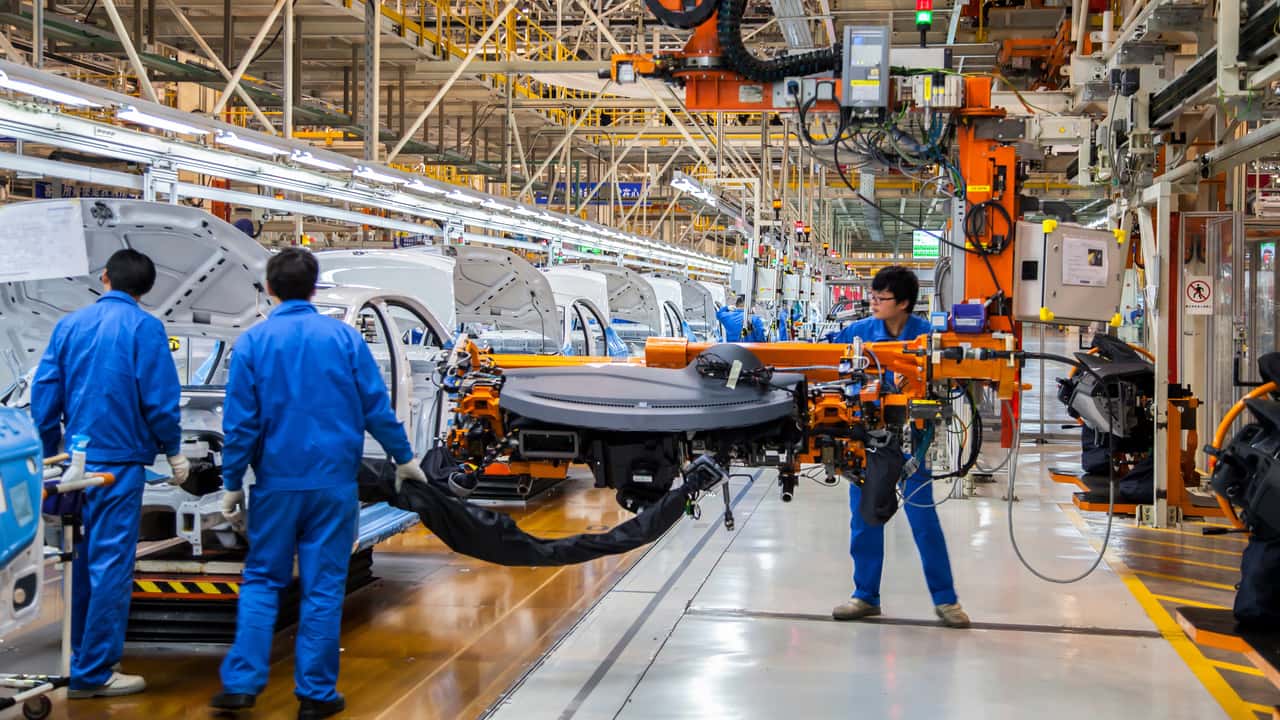

In September, Chinese car manufacturers shipped 60,517 electric vehicles to the 27 countries of the European trading bloc (+61%). This is a rush to try to avoid duties. On 30 October, the final decision on the issue (with the relevant regulation in the Official Journal) will arrive, and while negotiations between Brussels and Beijing go on, Bloomberg claims that Chinese carmakers are ready to increase annual production capacity in foreign plants from 1.2 million vehicles in 2023 to over 2.7 million by 2026.
In practice, China is moving on several fronts, including production in Europe. BYD plans to assemble cars in Hungary and Turkey and Chery is in talks with the Meloni government to open a plant in Italy.
Investments are changing
Until now, Chinese car manufacturers have preferred to partially assemble in China, export and complete the assembly of cars in foreign sales markets. Now, according to a report published by Bloomberg on 23 October, investment in full-cycle production is booming. This is happening because some countries, including the US, the EU and Turkey, are imposing tariffs.
As of 2023, Chinese carmakers have built and commissioned full production plants in nine countries, with an annual production capacity of 1.2 million vehicles. A figure that, according to BNEF, is expected to more than double in the next two years, manufacturing mainly in Thailand, Indonesia and Brazil.
The risks and warnings
This surge in foreign investment, however, does not please the Chinese Ministry of Commerce, which in the summer urged carmakers to protect their know-how, especially in technology.
Moreover, according to a Moody's report published this summer, exporting to emerging markets in Asia (Thailand, Indonesia), Central and South America (Mexico, Brazil) and the Middle East (United Arab Emirates) would entail at least four types of risks for Chinese carmakers: geopolitical, execution and cost, market suitability and regulatory.
More on the matter:
RECOMMENDED FOR YOU

The Audi Q9 Starts Life In Europe With A Diesel, But More Engines Are Coming
Tata Tops Tesla: Indian EVs Are the World’s Most Efficient
Trump Boasts Auto Comeback. Michigan Data Says He's Wrong
Ferrari Is Sold Out Through 2027
Here's How The Volkswagen Group Plans To Simplify Its Parts Bin
How Renault Outsmarted Cheap Chinese EVs, And Profited
Porsche Confirms It's Laying Off Another 5,000 People