What is the future of Seat, is it leaving or not?
A year ago it was said that it would turn to another type of mobility. Where do we stand
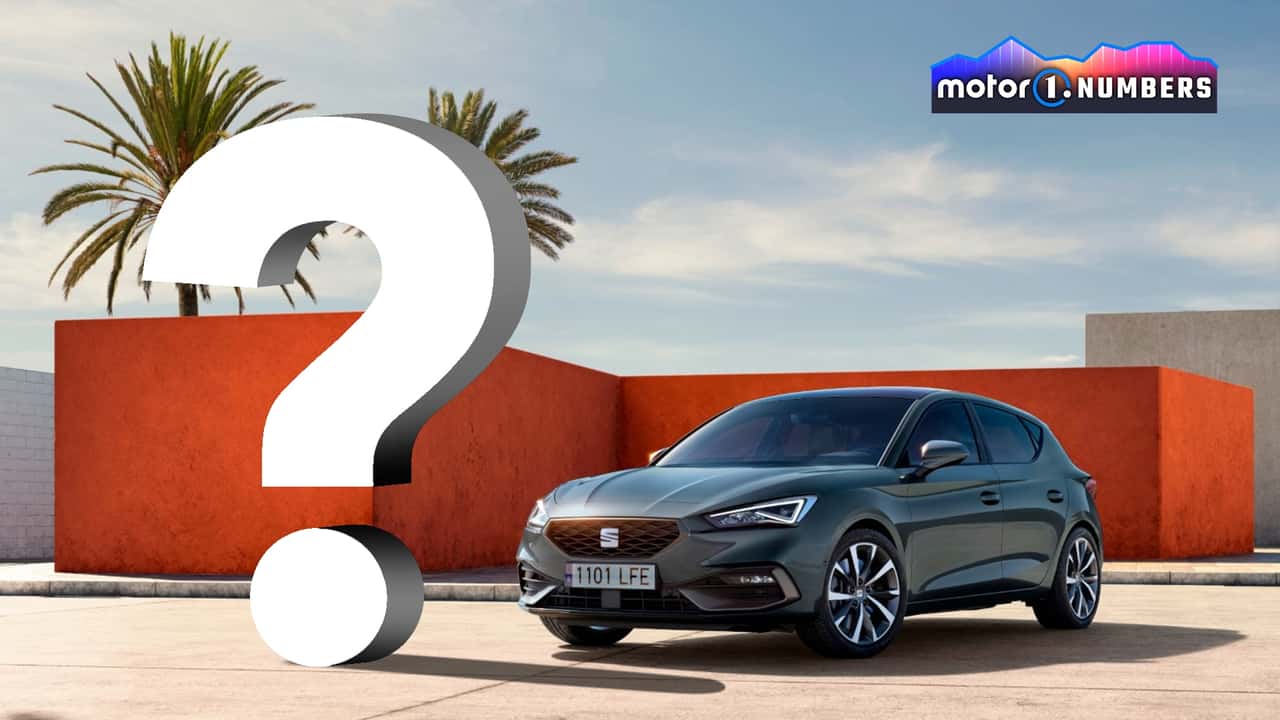

A year ago, in early September 2023, the CEO of Volkswagen Passenger cars, Thomas Schafer, told the press at the Munich Auto Show that Seat would stop selling cars once the lifecycle of the current model line-up was over. The very important news was immediately commented on by many analysts, journalists and car enthusiasts around the world. Seat, the Spanish car brand founded in 1950, was saying goodbye.
The company's immediate reaction to these statements was to specify that the brand would have a new role within the Volkswagen Group and would survive by moving away from traditional car production and becoming a mobility company.
What has happened since then?
Despite the public relations campaign and declarations, the facts indicate that the Seat brand continues to lose lustre within the German group. In the past year, no new cars have been presented, the last launch being the Seat Leon in January 2020. The oldest in the range is the Ateca, unveiled in March 2016, followed by the Ibiza in January 2017, the Arona in June 2017 and the Tarraco in September 2018.

No new Seat after 2020 - Seat and Cupra models launched
Although there has been nothing new from the Spanish brand, sales have been quite good this year. According to data from JATO Dynamics and other sources, Seat sold around 220,000 new cars between January and August 2024, a 12 per cent increase over the first eight months of last year.
This is not a bad result considering the difficult times the European industry is going through. In addition, Seat, unlike the other Volkswagen Group brands, does not have an electric car in its current range and is therefore not exposed to declining sales of these vehicles. Looking then at last year, Seat delivered 288,500 units, a growth of 24 per cent over 2022.
Considering these double-digit growth rates, one could conclude that there is a future for the brand. After all, selling around 300,000 units per year is no small feat. Other mainstream brands, such as Dodge or Chrysler, have sold less.
Cupra grows faster
The main problem for Seat's future would seem to be Cupra. Although they are part of the same subgroup within Volkswagen, Cupra is becoming Seat's natural successor.
Between 2020, when Seat stopped introducing new cars, and today Cupra has launched three production cars: the Born in May 2021, the Tavascan in April 2023 and the Terramar last month. These are joined by the Leon, Ateca and Formentor, so the Cupra range includes seven models (if you split the Leon's body types) against Seat's six.
Cupra moves closer to Seat - Global sales. Source: Seat and JATO
It is clear that the group is investing more in Cupra. For what reason? The average retail price of a Cupra in Germany in August 2024 was 43 per cent higher than that of a Seat. A Cupra Ateca costs on average 33 per cent more than its Seat twin; the Cupra Leon costs 29 per cent more than the Seat Leon. And they all share almost everything, which means their production costs are almost the same. So why not go for the brand that brings in the most money?
Average retail price in Germany (August 2024)
| Cupra | Model | Seat |
| €43,950 | Leon | €34,064 |
| €50,076 | Ateca | €37,743 |
| €48,227 | Average price of the entire range | €33,663 |
Source: JATO
More industry analysis from our Motor1 Numbers series:
The author of the article, Felipe Munoz, is Automotive Industry Specialist at JATO Dynamics.
RECOMMENDED FOR YOU
Prius Architect Hiroshi Okuda Dies At 93, Reshaped Toyota
Why Every New Car Seems To Have A Giant Screen Now
Ford To End China-Built Lincolns For US By 2030
Your Car Has a Hidden Mechanical Key. Here's Why It's There
Used Cars Under $20,000 Are Disappearing. And The Numbers Are Brutal
Woman Leaves Dodge Charger Parked Outside. Then Her Airbags Deploy For No Reason: ‘Never Seen This Happen Before’
Half-Million Camrys Recalled Again For Speedometer That Can Go Dark