You Bought The Car. Why Are You Still Paying For Some Features?
Automakers are turning vehicles into app stores, but drivers have already drawn a line between paying for connected services and renting hardware they own.
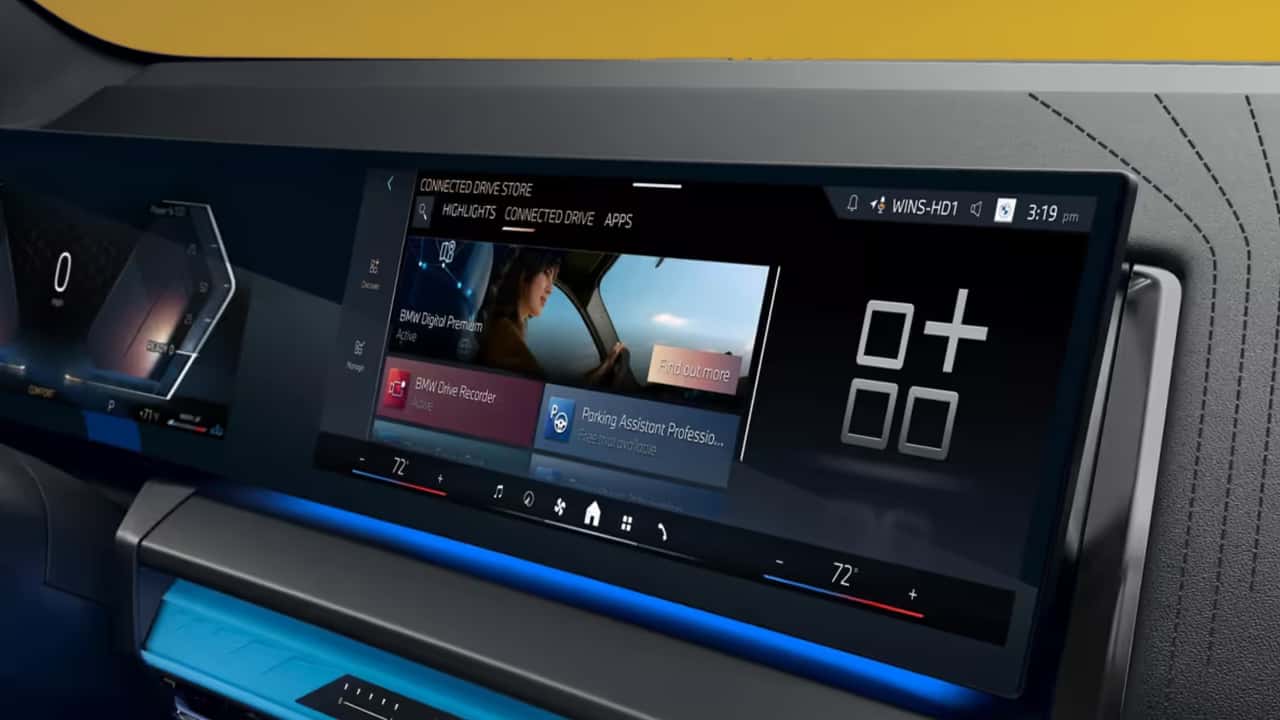

You buy a new car. You pay the destination charge, registration fees, and taxes. Then you start to see your monthly payment roll in as well. Maybe a few months to a year later, however, the car asks for another credit card.
Features that once came with the vehicle, or were purchased once as an option, can now be packaged through monthly or annual subscriptions. Navigation data, hands-free driving, extra performance, and basic convenience features are all potential sources of recurring revenue.
Drivers may hate the idea, and rightfully so, but subscription features probably aren’t going away.
Your Car Is Becoming an App Store
Modern vehicles are packed with computers, cameras, cellular connections, and software that can be updated without a dealership visit. That lets automakers sell features long after the car leaves the factory.
Tesla’s Premium Connectivity plan adds cellular access to features such as live traffic visualization and satellite-view maps for $9.99 per month or $99 per year. Tesla also offers "Full Self-Driving" for $99 per month on eligible vehicles.
Ford takes a similar approach with BlueCruise. Its hands-free highway-driving system costs $49.99 per month, $495 per year, or $2,495 as a one-time purchase when the vehicle is purchased.
The hardware already sits inside the car. Software decides whether the owner can use it.
Why Automakers Love Subscriptions
The traditional car business revolves around one major transaction. A manufacturer sells a vehicle, then waits years for that customer to buy another one. Or occasionally pop in for service visits.
Subscriptions change the math. A software feature can generate revenue throughout the vehicle’s life. It could even be sold again to the car’s second or third owner without the automaker building another physical component.
Common hardware can also simplify manufacturing. Instead of producing several versions of a seat, camera module, or electric motor, a company can build fewer configurations and unlock different capabilities through software.
There is a customer-friendly version of that idea. Someone who skipped an option could add it later without trading in the vehicle.
The problem begins when the owner is asked to keep paying for hardware already installed in a car they bought.
Drivers Aren't Buying It
If you need proof that drivers aren't thrilled about subscription features, just look at Reddit. A recent post in r/mildlyinfuriating went viral after one owner discovered that a feature already built into their vehicle was only available during a limited free trial before requiring a paid subscription.
The post quickly filled with thousands of comments from frustrated drivers who argued that paying monthly to unlock hardware they've already purchased feels fundamentally different from paying for a streaming service or mobile app.
The reaction highlights the biggest challenge automakers face. Most buyers understand paying for services that require ongoing costs, like connected navigation, Wi-Fi hotspots, or emergency assistance. But charging recurring fees for features tied to hardware already installed in the vehicle—such as heated seats, adaptive lighting, or extra performance—continues to be a much harder sell.
Whether subscriptions become the norm may depend less on what automakers want and more on what customers are ultimately willing to accept.

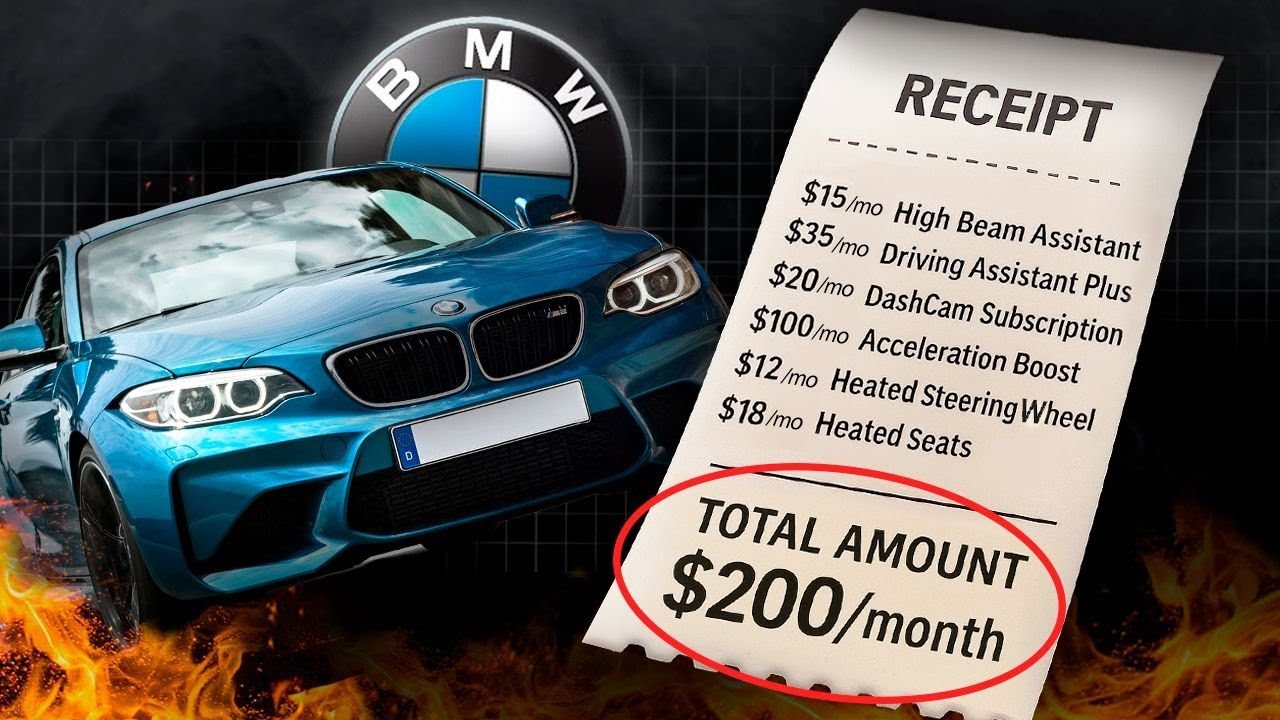
Some Subscriptions Make Sense
Not every automotive subscription is automatically bad.
A Wi-Fi hotspot uses cellular data. Live navigation requires updated information. Hands-free driving systems need new maps, software development, testing, and support.
Those products behave more like ongoing services than traditional vehicle options.
Subscriptions could also provide flexibility. A driver might activate an advanced highway-driving system before a long road trip, then cancel it when it is no longer useful.
But automakers undermine that argument when they place basic hardware behind a recurring paywall. Buyers understand paying for a service. They do not want to rent equipment already bolted into their vehicle.
Free Trials Will Make It Normal
The most effective sales tool may not be the dealership. It may be the free trial.
A buyer receives a connected feature for several months or years. It becomes part of the daily routine. Then the trial expires, and the owner must either give it up or add another payment.
That strategy works for streaming platforms and smartphone apps. Now it is moving into products that can cost, on average, $50,000.
It also makes the true cost of a car harder to understand. Two vehicles with similar sticker prices could have very different long-term costs depending on which features require renewal.
Buyers will need to ask a new question before signing the paperwork: Which features stop working when the trial ends?
The Monthly-Fee Car Is Already Here
Subscription features are not merely coming to cars. They are already here.
The remaining battle is over what automakers can reasonably place behind a paywall.
Drivers may accept recurring charges for cellular data, frequently updated software, and technology that needs continuous development. They are far less likely to accept monthly fees for a heater, motor, or switch installed at the factory.
Automakers that respect that distinction could make software upgrades genuinely useful. Those that ignore it risk turning every button into another reason for customers to shop somewhere else.
Nobody wants the most expensive appliance they own to start asking for in-app purchases.
More Motor101
RECOMMENDED FOR YOU

Does Your Car Smell Like Crayons? There's A Reason
Car Salesman Says Nissan Rogue Is Identical To This Crossover SUV. The Other One’s Cheaper: 'Stole They Whole Flow'
CarMax Vs Carvana: Which Used-Car Giant Has The Better Return Policy?
JLR's New North American CEO Has A Lot Of Work To Do
Here's Why Your Car's Rear Windows Don’t Roll All the Way Down
RIP: These Cars Won't Make It To 2027
Why Cars Have Tiny Black Dots Around The Windshield