Aston Martin Reports Another Huge Loss As Financial Struggles Continue
Even though sales are up, mounting debt and rising financing costs continue to complicate the company's recovery.
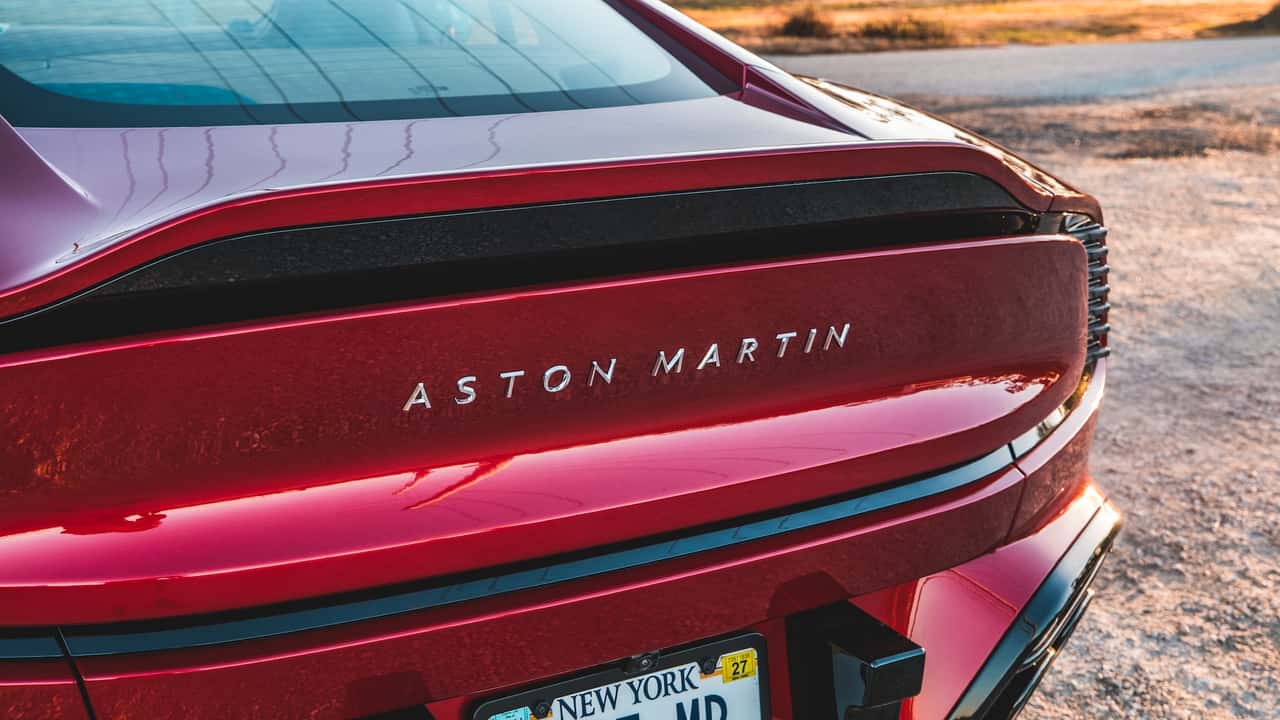

Aston Martin is still struggling to turn its expensive new cars into a profitable business. The British automaker reported a £77.1 million ($101M) pretax loss in the third quarter of 2026, bringing its first-nine-month losses to £231.3M ($303M). While the latest results show some progress, the company still carries a massive debt burden, and its financial recovery remains a work in progress.
The numbers are particularly sobering in the bigger picture. Since Canadian billionaire Lawrence Stroll led the rescue of Aston Martin roughly six years ago, the company has accumulated approximately £2.3 billion in after-tax losses. Despite several rounds of investment, new product launches, and efforts to reposition the brand, the company has yet to achieve sustained profitability.
But the latest earnings report included some good news. Third-quarter revenue climbed 36 percent year over year to £388.7M ($509M), while the nine-month total increased 38 percent to £1.017 billion ($1.33B). Aston Martin also narrowed its quarterly pretax loss from £111.9M in Q3 2025 to £77.1M, suggesting its margin-improvement efforts are starting to pay off.

2026 Aston Martin Vanquish
Aston Martin Sales Are Considerably Up Through September
Aston Martin's improved financial performance largely reflects a richer product mix. The company shipped 3,762 vehicles in the first nine months of 2026, up 12 percent from the same period last year. Around 350 of those were Valhalla coupes, which fall under the company's exclusive Specials division.
That more expensive product mix helped push the average selling price up 25 percent year to date, reaching £243,000. In Q3 alone, the average climbed 39 percent to £247,000. Gross profit rose 71 percent to £358M ($469M) in the first nine months, while the gross margin improved from 28.3 percent to 35.2 percent.
Aston Martin has nearly sold out the Valhalla coupe's production run, with almost all remaining examples already ordered and deliveries scheduled to continue through the first half of 2027. The company has also just introduced the Valhalla Spider, a convertible version that CFO Doug Lafferty says will cost approximately 20 percent more.
2026 Aston Martin Vanquish
Aston Martin Continues To Burn Cash
Meanwhile, the automaker is still burning through cash. Progress in reducing the outflow is welcome, but Aston Martin hasn't yet reached the point where the business consistently generates enough money to fund itself.
Aston Martin ended September with net debt of £1.57B ($2.06B), up from £1.38B ($1.81B) at the end of 2025. Gross debt reached almost £1.9B ($2.49B), while available liquidity stood at £321.6M ($421M).
Financing costs are another headache. Aston Martin's adjusted net financing costs rose to £149M ($195M) in the first nine months, up from £65M ($85M) a year earlier.
Aston Martin has had no shortage of spectacular new cars lately. Unfortunately, turning those beautiful machines into a consistently profitable business is proving considerably harder. The Valhalla is giving the company much-needed breathing room. Still, with more than £1.5 billion in net debt and about £2.3 billion in cumulative losses since Stroll's takeover, the British marque still has a long road ahead before it can put its financial troubles behind it.
Aston Martin Valen





Delaying EVs Was Likely The Right Call
Things could've been worse, as Aston Martin's decision to push back its electric ambitions may ultimately prove the right call. Growing evidence suggests the ultra-rich aren't ready to give up combustion engines, especially when buying an exotic car is as much about the emotional experience as outright performance.
Continued demand for high-end V12s, limited-run supercars, and increasingly elaborate special editions suggests wealthy customers still want the sound, character, and mechanical theater only an internal combustion engine can deliver. For a brand like Aston Martin, whose appeal rests on that experience, rushing into EVs could have been a costly misstep.
That thinking is reflected in the company's revised EV timeline. CEO Adrian Hallmark now says Aston Martin's first production EV won't arrive before 2033, and possibly not until 2035. Rather than rushing a battery-powered model to market, the automaker plans to keep its V8 and V12 engines alive through 2035, using hybridization where necessary to meet emissions rules.
More From Aston Martin:
RECOMMENDED FOR YOU
Aston Martin's New Valhalla Spider Can Hit 217 MPH With The Roof Down
Alpine Leaves The Door Open For A New Gas Sports Car
You Might Finally Be Able To Afford An Aston Martin Vanquish
Volkswagen Will Take China-Developed Technology Global In Major Strategy Shift
The 15 Best Movie Cars of All Time, Ranked
AutoZone Employee Looks At Duralast Tool. Then He Gives A Scathingly Honest Review
Remember Aston Martin's Weird Little City Car? There's A Reason It Existed