F1's Weirdest Race Car Had A Giant Fan On The Back
Brabham's radical F1 car used a giant rear fan to generate downforce, winning its only Grand Prix before controversy ended its career.
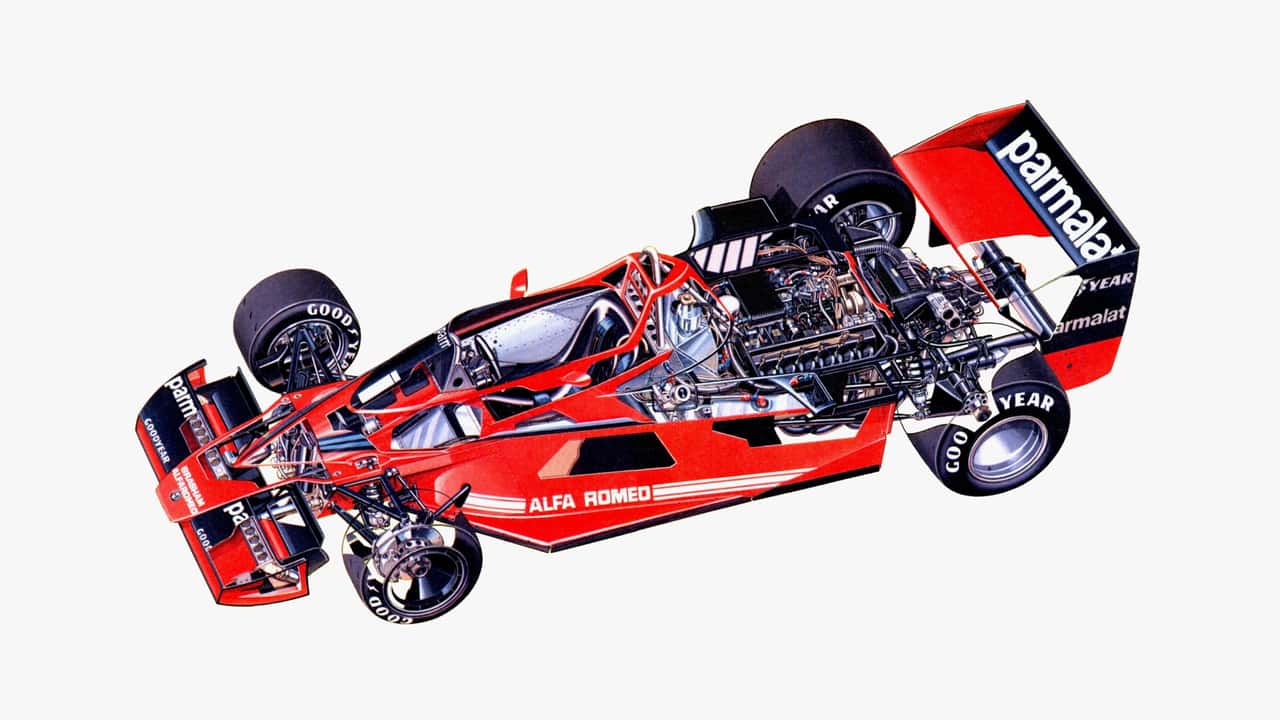

Formula 1 has produced some incredible engineering innovations over the years, but few have been as bizarre as the Brabham BT46B. Nicknamed the fan car, this unusual machine featured a giant rear-mounted fan designed to generate downforce by sucking air from beneath the chassis. The result was a race car that seemed to defy conventional aerodynamic thinking.
The fan car became a legend after just a single Grand Prix appearance. Designed by legendary engineer Gordon Murray, the BT46B made its debut at the 1978 Swedish Grand Prix with three-time world champion Niki Lauda behind the wheel. It won the race, beating its rivals thanks to its controversial aerodynamic advantage. But its first F1 race would also become its last.
How Did The Brabham BT46B Fan Car Work?
In the late 1970s, Formula 1 teams were exploring ground-effect aerodynamics, which uses airflow beneath a car to generate downforce. By creating a low-pressure area under the chassis, engineers could effectively pull a race car toward the track, increasing grip and allowing higher cornering speeds.
Brabham faced a particular challenge with its existing BT46 design, which used a wide Alfa Romeo flat-12 engine. Finding an effective way to incorporate conventional ground-effect tunnels was difficult, so Murray pursued a different solution.
The Brabham BT46B featured a large, gearbox-driven fan at the rear. The system drew air through the car's cooling arrangement while also extracting air from underneath the chassis. Skirts along the sides helped control airflow beneath the car, enhancing the suction effect.
The concept was remarkably effective. Unlike conventional aerodynamic devices, which generally become more effective as speed increases, the fan could generate substantial aerodynamic load even at relatively low speeds. In theory, this allowed the car to maintain impressive grip through slow corners as well as fast ones.
Why Did Brabham Put A Giant Fan On A Formula 1 Car?
The fan was a response to the rapidly evolving aerodynamic arms race in Formula 1. Lotus had made major strides with its ground-effect designs, particularly the Lotus 79, which helped Mario Andretti win the 1978 world championship.
Brabham needed a competitive advantage, and Murray's unconventional approach offered a way to generate substantial downforce without relying entirely on the same aerodynamic solutions used by its rivals. The team argued that the fan's primary purpose was engine cooling, helping justify the design under the regulations. Other teams, however, believed its aerodynamic effect was the real story.
The controversy centered on whether the fan effectively constituted a prohibited movable aerodynamic device. There were also concerns about debris being thrown from beneath the car, although the BT46B's design and the precise implications of the rules were subjects of considerable debate.
Rather than simply being an engineering curiosity, the fan car became a political problem for Formula 1. Its performance threatened to force other teams to pursue similar technology, potentially changing the direction of the sport's aerodynamic development.
The Brabham Fan Car Won Its Only Grand Prix

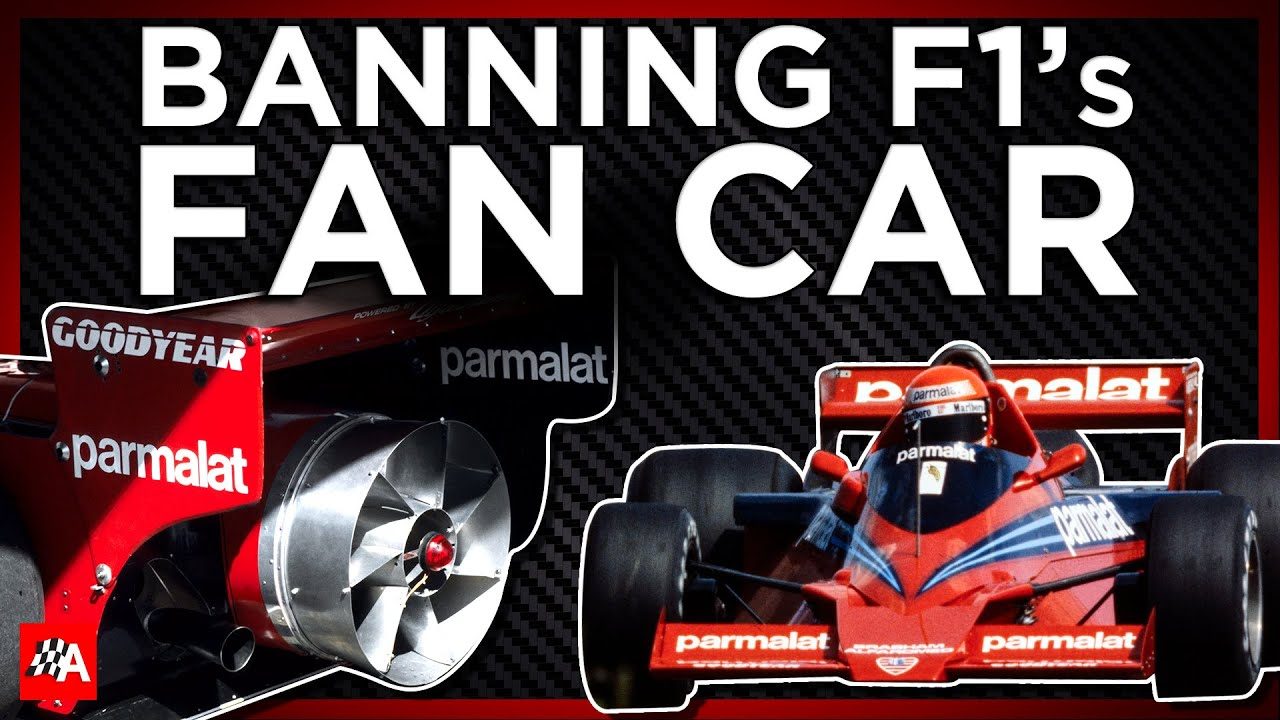
The BT46B made its competitive debut at the Swedish Grand Prix at Anderstorp on June 17, 1978. Lauda qualified third, while teammate John Watson started second. The car attracted immediate attention, and rival teams protested its legality before the race.
Despite the controversy, officials allowed the Brabhams to compete. Watson eventually retired after spinning off, leaving Lauda to fight for the victory. The Austrian driver initially chased Andretti's Lotus 79 before moving into the lead on lap 39. Andretti later retired with an engine failure, leaving Lauda to take the checkered flag 34 seconds ahead of second-placed Riccardo Patrese.
It was a commanding victory that demonstrated the potential of Murray's design. Yet it would also prove to be the fan car's only World Championship Grand Prix start.
Following the race, Brabham withdrew the BT46B amid the growing controversy. The team had achieved its objective on the track, but the pressure surrounding the concept made continuing with it an unattractive proposition. The car's victory remained valid, and it was not retrospectively disqualified.
What Made The BT46B So Controversial?
The fan car challenged the boundaries between cooling equipment and aerodynamic technology. Brabham maintained that the fan served a legitimate cooling function, while opponents argued that its ability to generate downforce gave the car an unfair advantage, as Motorsport Magazine reported at the time.
The controversy also highlighted how quickly a clever engineering solution could force the sport to reconsider its regulations. If a fan could generate substantial grip independently of the car's forward speed, rival teams might have had little choice but to develop their own versions. The key points behind the controversy were:
- Its aerodynamic advantage: The fan generated suction beneath the chassis, increasing downforce and grip.
- The rules debate: Rivals questioned whether the device violated restrictions on aerodynamic systems, while Brabham defended its cooling function.
- Safety concerns: The prospect of increasingly powerful fan-assisted downforce raised questions about cornering speeds and the consequences of debris being thrown from beneath the car.
- Its short career: Brabham withdrew the car after its Swedish Grand Prix victory rather than continue the dispute.
The BT46B's story is therefore more complicated than a simple tale of an illegal car being banned. It competed with official approval, won convincingly, and was subsequently withdrawn amid regulatory and political pressure. That combination of technical brilliance and controversy helped secure its place in Formula 1 history.
What Do F1 Fans Think Of The Brabham Fan Car?
The Brabham BT46B continues to fascinate motorsport enthusiasts on Reddit, particularly because of its unconventional approach to generating downforce. In discussions on r/F1Technical about fan cars and ground-effect technology, fans examine how the system worked and how it differed from conventional aerodynamic designs.
Another recurring topic is whether the fan car was actually banned. In this r/formula1 discussion, enthusiasts revisit the controversy surrounding its only Grand Prix victory and Brabham's subsequent withdrawal. A separate r/F1Technical thread on fan cars and ground-effect side skirts explores the engineering principles behind creating suction beneath a car.
The discussions highlight why the BT46B remains such a memorable Formula 1 machine: it combined a radical technical solution with a controversial racing history. Comparisons with modern fan-assisted vehicles also show that the underlying concept continues to interest enthusiasts, even decades after the Brabham last competed.
Could A Fan Car Return To Formula 1 Today?
The principles behind the BT46B remain relevant to modern motorsport. Today's Formula 1 cars rely heavily on underbody aerodynamics, using carefully shaped floors and diffusers to create downforce. However, the sport's technical regulations tightly control the aerodynamic devices and systems teams can employ.
A fan-assisted Formula 1 car would face significant regulatory hurdles. Engineers would also need to consider power consumption, packaging, cooling, reliability and the implications of generating additional grip at high speeds.
The idea has nevertheless survived beyond the racetrack. Murray revisited fan-assisted aerodynamics with the Gordon Murray Automotive T.50, a road car featuring a rear-mounted fan that helps manage airflow and improve aerodynamic performance. While the T.50 is not simply a modern version of the Brabham, it demonstrates the enduring appeal of the concept.
The BT46B remains one of Formula 1's most extraordinary engineering experiments. It raced just once, won convincingly, and disappeared before its rivals had much opportunity to respond. Decades later, its legacy endures as proof that sometimes the most effective way to make a race car faster is to rethink how it sticks to the road.
More From Motor101
RECOMMENDED FOR YOU

The Difference Between Wet And Dry DCTs Goes Beyond Cooling
McLaren's Next Supercar Officially Has A Name: McL 820
Who Actually Invented The Drive-Thru? It's Complicated
A Modern Audi Quattro With A 10,000-RPM V8? Yes, Please
Are Hybrids Actually Less Reliable? The Answer Isn't So Simple
16 Cars You Can Still Buy With A Naturally Aspirated V6
Those Fuzzy Dice Hanging In Cars Have WWII Origins