Mechanic Says You May Be Parking Wrong. Then He Reveals It Could Cost You Thousands
"I was taught in driving school..."
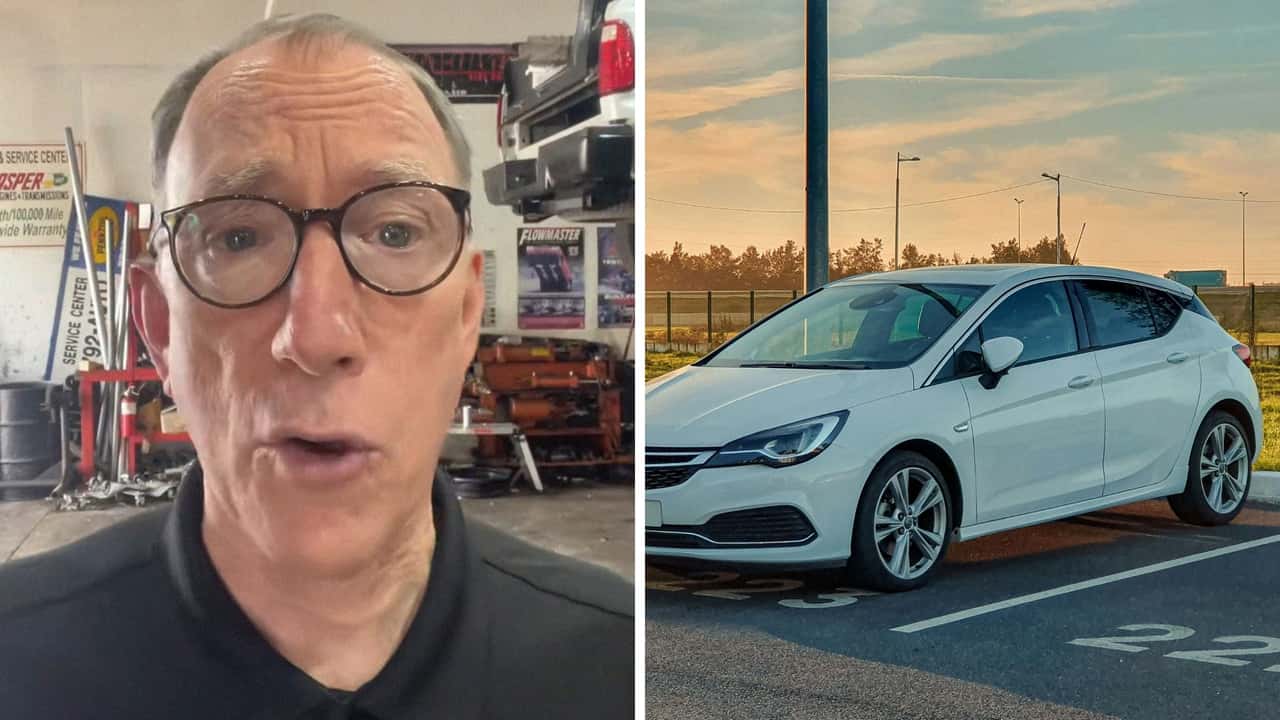

Most car maintenance advice is either obvious or buried in an owner's manual nobody reads.
A mechanic's viral breakdown of five things you can do right now to avoid expensive repairs is making the rounds, and the first one catches a lot of people off guard. Would you do this for the sake of extending your car’s longevity, or is it too hard a habit to start?
5 Easy Car Maintenance Tips
In a viral TikTok with more than 435,000 views, content creator and mechanic @teamcarcare runs through five vehicle maintenance tips he says mechanics don't have time to walk customers through during a typical service visit.
"5 easy car care hacks mechanics won't tell you,” the text overlay on the screen reads.
Here’s his full list:
- Use your parking brake every time. "Even with an automatic," he says. "It prevents wear on the parking pawl on your transmission, preventing an expensive repair. Yes, that's a thing." The parking pawl is a small pin inside an automatic transmission that locks the output shaft in place when the car is in park, Street Smart Transmission explains. Most drivers don't know it exists and never think about it, but every time you rely on it alone to hold your car on a slope instead of engaging the parking brake, you're putting stress on that small component. Over time, that adds up.
- Clean your wiper blades by hand. "A good wipe with a mild detergent or wiper fluid will keep them in good condition, and you'll get more life out of them," he says.
- Use a window shade and pull down your visor. "To keep your car cooler and protect the electronics and dashboard," he says.
- Lubricate door hinges, trunk hinges, tailgates, and hoods. Do this every three to six months: "A silicone spray or lithium grease is the best thing to use."
- Don't let your vehicle sit without driving for more than a month. "Drive it at least one hour straight every month so that any water in the fluids can evaporate. It will also keep the seals lubricated to help prevent leaks," he says.
His caption adds a few more: wax your vehicle at least once a year to protect the paint from UV rays, check fluids often and change them when needed, replace the air filter when recommended, and consider undercoating if you live near the ocean or in a region where roads are salted in winter.
In an email, his wife Norma added that they learn as much from their audience as their audience does from them.
“A good mechanic is worth his or her weight in gold. And there are a lot of good ones out there. They will take the time to answer your questions. We’ve had junk mechanics and now we have good mechanics. Usually, you have to keep looking to find a capable mechanic you trust.”
She continued, “While having a good mechanic is important, being proactive about your car or truck maintenance is essential. Studying your owner’s manual, following a regular maintenance schedule, and researching and using the best products is the front line of defense to protect your vehicle.”
What Car Maintenance Actually Costs
According to Policygenius, the average annual cost of maintaining a car is about $792 a year, roughly $66 a month, but that's just for routine upkeep, not unexpected repairs.
The specific cost depends heavily on the make and model. For example, BMW owners can expect to spend around $17,800 in maintenance over the first 10 years of ownership, while Toyota owners average closer to $5,500 over the same period. That’s a gap of more than $12,000 for the same decade of driving.
And that's before factoring in the full cost of ownership. Policygenius explains that when you layer in depreciation, gas, insurance, registration, and car payments on top of maintenance, the annual cost of owning a small sedan runs around $7,114. A pickup truck—the most expensive category—costs an average of $10,839 a year to own and operate, based on a driver with regular car payments who puts 15,000 miles a year on the vehicle with full coverage insurance.
Here's what the most common services cost and how often you need them, according to NerdWallet and Policygenius:
- Oil and filter change: Every 5,000 to 7,000 miles or at least once a year. Runs $50 to $200, depending on your vehicle. Newer cars sometimes have oil-monitoring systems that tell you when it's time, so check your owner's manual rather than defaulting to the old 3,000-mile rule.
- Cabin air filter: Every 15,000 to 25,000 miles or annually. Costs $60 to $175. Filters out dust, pollen, and exhaust from the air inside your car and helps your A/C and heat run more efficiently. Replace more frequently if you drive in areas with poor air quality.
- Tire rotation: Every 5,000 to 8,000 miles or every six months, which lines up with most oil change schedules. Costs $25 to $140. Keeps tires from wearing unevenly and extends their life.
- Wiper blade replacement: Every six to twelve months. Costs $7 to $90. Replace sooner if the blades are streaking or making noise, or the rubber looks cracked or loose.
- Brake pad replacement: Every 30,000 to 50,000 miles under normal conditions, though heavy stop-and-go driving can cut that down significantly. Costs $100 to $350.
- Multipoint inspection: Recommended at every service visit. Often free with other services, or up to $250. Covers battery, filters, belts, hoses, fluids, tires, brakes, and suspension.
Cars also tend to develop different and more expensive maintenance needs as they age and rack up miles. The takeaway from both sources is the same: basic maintenance done on schedule is almost always cheaper than the repairs that follow from skipping it.
‘I Do This Already’
Commenters shared their own advice on what to do to keep your vehicle running smoothly.
“Turn you a/c off before turning your car off,” a top comment read.
“Also let your engine warm up to circulate cold oil into the engine. Don’t just start it and take off,” a person said.
“Always get an oil change- know what your car needs and what certain sounds can be and always get a second opinion from another mechanic for expensive work,” another wrote.
Motor1 reached out to @teamcarcare for comment via text and email. We'll be sure to update this if they respond.
RECOMMENDED FOR YOU

Nissan Salesman Takes Customer On Test Drive. He Wasn't Expecting To Break Down: ‘Bro Is NOT Making The SALE’
The Simple Trick That Lets You Start Your Car When Your Key Fob Battery Dies
Mechanic Works On Land Rover Discovery—He Accidentally ‘Totals’ It: 'Don't Tell The Customer'
Mitsubishi Goes Under The New Pajero To Show Its Truck Roots
Man Buys Lease On New Car. The Salesman Steps In To Clarify—Toyota Leases Are Different: 'I Do This With Subaru'
Toyota's Next-Gen Batteries For Hybrids Arrive In 2027
Man Returns Brand-New Acura To The Dealership. Then The Salesman Gaslights Him: 'That's Bare Metal'