'You're Just a Parts Changer:' Wheel Bearing Won’t Fit. So the Tech Puts it in the Freezer. Does it Work?
"Seeing it is the real magic that makes people believe."
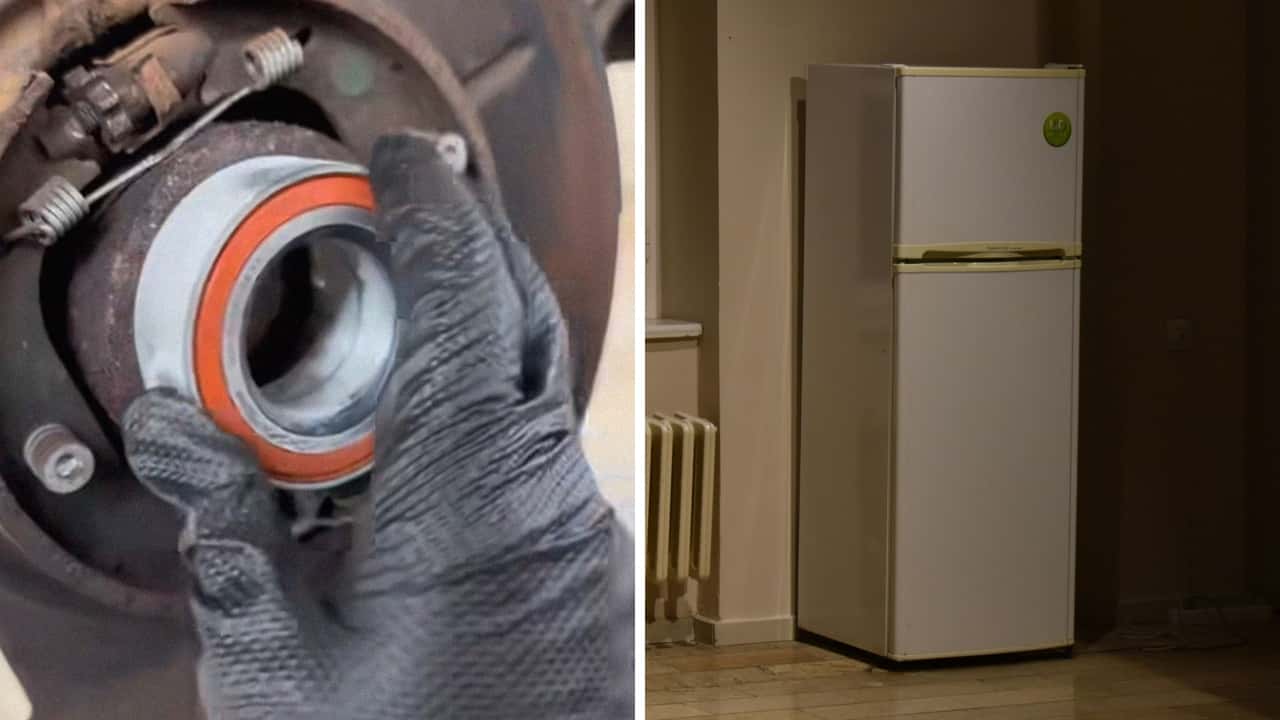

Sometimes the simplest solutions in auto repair involve understanding basic physics.
When a mechanic encounters a stubborn wheel bearing that won't fit into place, one old-school trick might just save the day.
In a viral video, Vulcan Motor Works demonstrates a technique that experienced mechanics swear by when dealing with tight-fitting wheel bearings.
The footage shows the mechanic opening a freezer door and retrieving a wheel bearing that had been stored inside. He then places the cold bearing into the car, where it fits in perfectly.
"Guys will see this and be like HELL YEAH," the text overlay on the video reads.
In the caption, Vulcan Motor Works explains the technique: "Gotta love the good old put the wheel bearing in the freezer trick. Heat the trailing arm up and cool the bearing and you might get lucky!"
The method takes advantage of thermal expansion and contraction. By cooling the metal bearing, it contracts slightly, making it easier to fit into place. Some mechanics also heat the surrounding component, causing it to expand and create even more clearance for installation.
Does the Freezer Trick Actually Work?
The freezer technique isn't just some mechanic's old wives' tale,it's actually based on solid physics. When metal gets cold, it contracts, making tight-fitting parts easier to install.
According to bearing supply company PIB Sales, this method is commonly used when parts need to fit really snugly together. It prevents putting excessive force on the bearing and gets the job done faster.
There are different ways to cool down a bearing. It Still Runs explains that placing a bearing in dry ice for at least 20 minutes will cause the metal to contract. But some mechanics use even faster methods. YouTube channel AvE recommends grabbing a can of computer duster, flipping it upside down, and spraying it on the bearing. The liquid comes out so cold it can shrink a part in seconds.
What Drivers Are Saying
The heating side works the same way, just in reverse. It Still Runs recommends heating the housing metal using a propane torch immediately prior to installation, which causes the metal to expand and makes the housing opening larger for an easier bearing fit.
The catch? You've got to work fast once you've got that temperature difference going, because heat transfers quickly between parts.
Commenters React
In comments on Vulcan Auto Works' post, mechanics confirmed that it does indeed work to put a wheel bearing in the freezer.
“If you don't know this then you're just a parts changer,” a top comment read.
“Yep, been doing that for ages building stamping press drives and the like,as well as cars. Another trick is if you have a spun bearing that won't come loose, heat the bearing with a torch, then pour a glass of super cold ice water on it. It will crack and pull off. (Wear a face shield just in case),” a person shared.
“One can teach that metal expands/contracts with temp all day, but seeing it is the real magic that makes people believe it,” another wrote.
“That initial jog from the freezer to the vehicle will always feel like a sprinting marathon,” a fourth person added.
Motor1 reached out to Vulcan Motor Works for comment via Facebook direct message. We’ll update this if the business responds.
More From Motor1
RECOMMENDED FOR YOU

Toyota 4Runner Driver Doesn't Want To Pay $20 Subscription To Start Car. Then She Discovers Key Fob Trick: 'The Things You Learn'
The New Mercedes-Maybach GLS Debuts With More Power, Better Style
Man Goes To Mercedes Dealership With Navy Federal Check And $10,000. Then He Goes To Carvana: ‘They Wanted A Copy Of My Degree’
Polestar Won't Fight US Ban, Effectively Ending Its American Future
Volkswagen Driver Says She Puts Diesel In At The Pump—And The Men Around Her Always Say The Same Thing: ‘Men Come Running'
The New Maybach GLS Shows Its Face For The First Time
Woman Flirts With Man At A Family Dollar. Then She Makes A Comment About His Toyota: ‘Don’t Ignore That Red Flag’