Home
News
Trending
‘Can’t I Just Use Carfax?' Man Lists His Car for Sale on Facebook Marketplace. Then He Spends $60 on a Vehicle History Report
'Don't do it.'
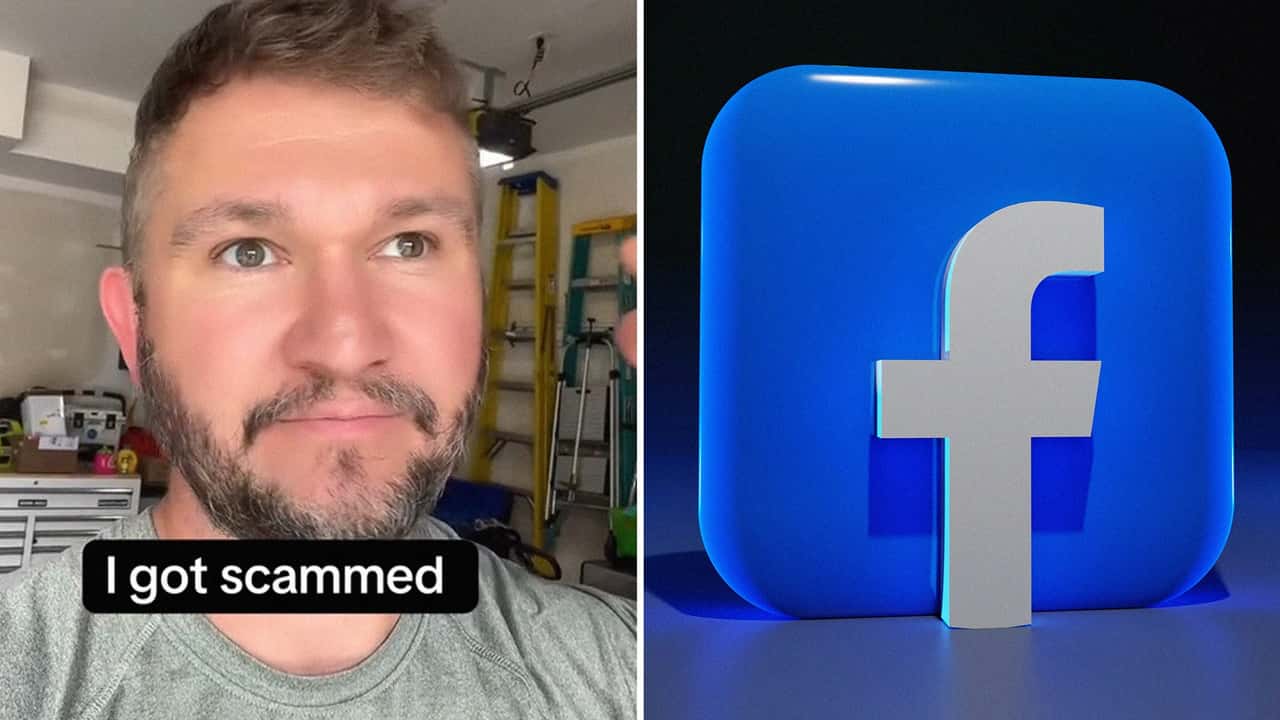
Photo by: @imkriswithhak & BoliviaInteligente
Chad Swiatecki 
By: Chad Swiatecki
Jun 22, 2025 at 9:00am ET
Add Motor1.com as a preferred source in Google
- (https://twitter.com/intent/tweet?url=https%3A%2F%2Fwww.motor1.com%2Fnews%2F763427%2Ffacebook-marketplace-car-scam%2F&text=%E2%80%98Can%E2%80%99t%20I%20Just%20Use%20Carfax%3F%27%20Man%20Lists%20His%20Car%20for%20Sale%20on%20Facebook%20Marketplace.%20Then%20He%20Spends%20%2460%20on%20a%20Vehicle%20History%20Report&via=motor1com)
- copy
Share
Comment
Selling a car online already feels like a gamble. Now, scammers are using a sneaky trick involving fake history report sites and too-good-to-be-true buyers.
The lesson in avoiding e-commerce scams comes at the expense of online creator Kris (@imkriswithhak). Kris says he got taken for $60 by a swindler who swooped in on his attempt to sell a vehicle on Facebook Marketplace.

Get the best news, reviews, columns, and more delivered straight to your inbox, daily.
back
Subscribe For more info, read our Privacy Policy & Terms of Use.
In a TikTok viewed nearly 59,000 times as of this writing, Kris says the scam began like many average interactions on Facebook Marketplace. He posted his car, a potential buyer reached out to express interest, and asked the usual questions about condition, title status, and availability.
Nothing seemed amiss.
“Then they tell you go to this website,” he says, adding, “And they’re like, ‘Hey, buy this report so I can see if the car’s alright.’”
Kris says he offered to get a Carfax report, but the potential buyer insisted it wouldn’t be the same. They also said the other report only cost $60.
“So I buy the report, sent it to the guy,” Kris says.
The man agreed to buy the car, and they set up a time to meet the next day. The man essentially vanished, Kris says. He'd blocked him on Facebook Messenger.
That's when he realized what had happened.
“I look at the transaction, it’s some Pakistani name, PayPal, something,” Kris laments.
He captioned his post, “Has this happened to anyone else?” Numerous people commented to share that they too have been scammed this way.
A Clever Scam
Sites like the vehicle history report site the alleged scammer recommended to Kris can appear professional, offering standard VIN lookup features and pricing that undercuts major services.
This type of scam is effective because it leverages trust and urgency, which cybersecurity experts often call “social engineering.”
Trending Now
Fraudsters understand sellers are motivated to close deals quickly and may be willing to jump through hoops to reassure buyers. By appearing cooperative and politely rejecting more familiar services like Carfax, claiming they need a “different kind of report,” the scammer subtly redirects control of the transaction.
It’s a classic bait-and-switch disguised as a reasonable request from a serious buyer. According to the Federal Trade Commission, similar schemes have been reported for years, often involving fake report sites created solely to harvest payment information or collect referral fees.
Avoid Getting Scammed
The red flags in these cases can be easy to miss.
A buyer insisting on using a specific website for a report, particularly one you’ve never heard of, is a clue that it may be a scam. It may also be suspicious if they make any request before you’ve spoken on the phone or met in person.
Payments for these reports are often routed through platforms like PayPal or Venmo, where the recipient's name appears unusual or wildly incongruous to the buyer’s identity. Some victims report foreign names or personal email addresses triggered suspicion only after the scam became clear.
There are safer ways to handle used car transactions online, particularly regarding vehicle history reports. Sellers should stick to well-known services such as Carfax or AutoCheck. If a buyer truly wants a history report, they should be willing to buy it themselves or accept a standard one provided by the seller.
The National Insurance Crime Bureau also offers a free VINcheck tool that flags theft or salvage status for vehicles registered in the United States.
For added protection, sellers can attempt to verify the buyer's identity before investing money in any aspect of the transaction. A short phone call, FaceTime meeting, or even a basic LinkedIn or Facebook profile check can provide some peace of mind.
When it comes time to meet, law enforcement agencies around the country often recommend designated “safe exchange zones,” typically located in police department parking lots or other monitored locations.
Follow this advice, and you might not end up like Kris.
What do you think?
View
Comments
At the end of his post, he says, “The moral of the story is: Don’t do it.”
Motor1 contacted Kris via TikTok direct message and Facebook parent company Meta via email. We’ll be sure to update this post if either responds.
More From Motor1
 First-Time Shopper Buys Her ‘Dream Car.’ Then the Salesman ‘Scams’ Her out of Her Audi
Someone Deepfaked Ferrari CEO’s Voice and Tried to Scam the Company
How I Was Scammed Out Of $200 Trying To Buy My Dream Porsche
We want your opinion!
What would you like to see on Motor1.com?
Take our 3 minute survey.
- The Motor1.com Team
Share this Story
- (https://twitter.com/intent/tweet?url=https%3A%2F%2Fwww.motor1.com%2Fnews%2F763427%2Ffacebook-marketplace-car-scam%2F&text=%E2%80%98Can%E2%80%99t%20I%20Just%20Use%20Carfax%3F%27%20Man%20Lists%20His%20Car%20for%20Sale%20on%20Facebook%20Marketplace.%20Then%20He%20Spends%20%2460%20on%20a%20Vehicle%20History%20Report&via=motor1com)
- copy
GO TO COMMENTS
(
)
Got a tip for us? Email: tips@motor1.com
View all comments ( )
Popular
12 Cars With Names That Make Absolutely No Sense
BMW Kept This Hatchback A Secret For Decades
Bugatti Restores One-Off Veyron With A Mirror-Like Aluminum Body
The Gas BMW M3 Isn't Dead: Next-Gen Prototype Roars
latest articles
- The Strange Reason The Golf GTI Had A Golf Ball Shifter Oct 20 - Motor101 -
- Photos: Porsche's Mission S Concept Takes Over New York City Oct 20 - Design -
- The 2027 Honda Passport TrailSport Looks Noticeably Taller Next To Last Year's Model Oct 20 - Off-Road -
- 12 Cars With Names That Make Absolutely No Sense Oct 20 - Lists -
- The Ford Ranger Is Getting A Bigger V6 For 2027: Report Oct 20 - Rumors -
- BMW Already Has A Deal On The New i3. But It's Not Cheap Oct 20 - Pricing -
- Remember The Ford Flex? This Weird SUV Is Now A Great Used Buy Oct 20 - Why Buy? -
RECOMMENDED FOR YOU
Cadillac Driver Is Fed Up With Auto Stop. Then She Buys A $9 Item On Amazon To Disable It
12 Cars With Names That Make Absolutely No Sense
Woman Buys A Tahoe. Then Her Chevrolet Dealer Calls Her A Week Later And Says She Owes $4,200
The Ford Ranger Is Getting A Bigger V6 For 2027: Report
Man Gets Into New Car. Then He Tries To Shift Into Drive—And Crashes Out: 'Who Is Telling Car Manufacturers That?'
BMW Already Has A Deal On The New i3. But It's Not Cheap
Man Buys Ferrari. Then His Fiance Takes It For A Spin: 'I Don't Know If He's Gonna Be Mad...'