Diesel still has a future according to Mercedes
At an event dedicated to diesel power, the Star explained its strategy in this regard
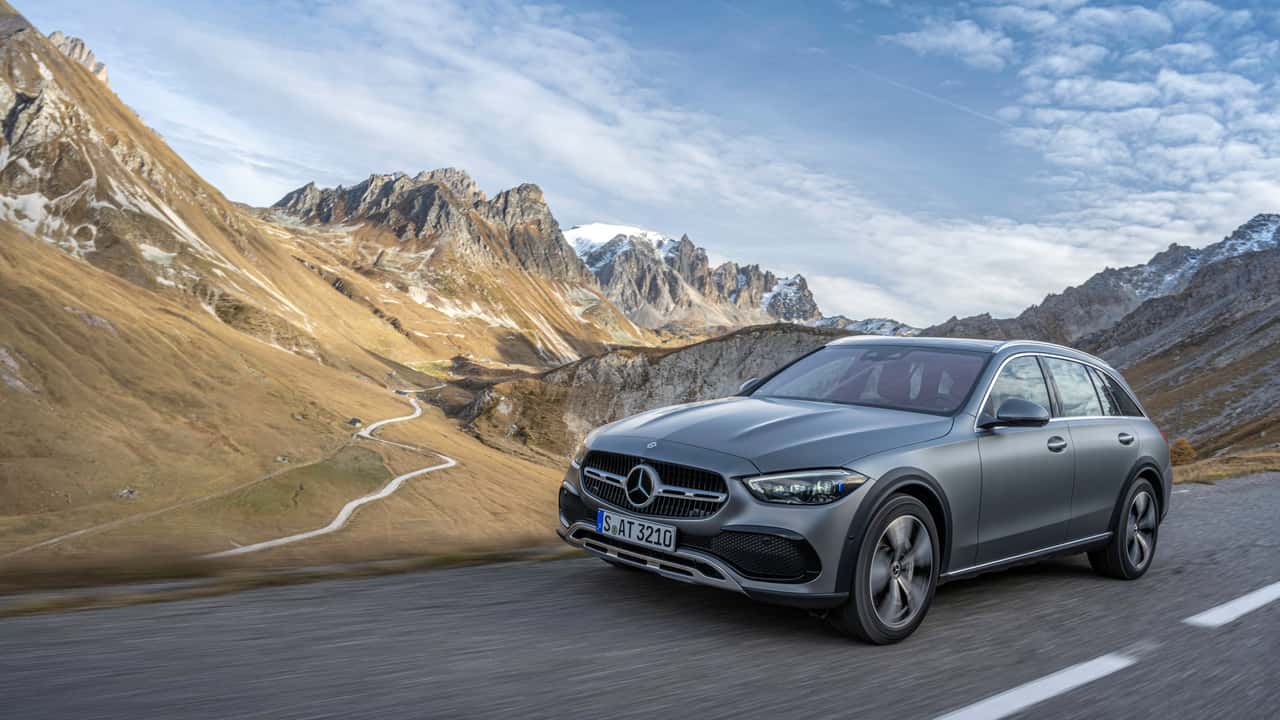

The near future of Mercedes cars will be electric, in the meantime, however, the House of the Star continues and will continue to believe in diesel, especially for high-end cars.
While it is true that with the new CLA - which will be presented in Rome in March 2025 - the company is about to unveil a new mild hybrid petrol engine, which promises to be super-efficient. It is also true that for more upmarket cars, historically dedicated to those who churn out a high amount of miles every day, diesel will continue to be an important choice, with both four- and six-cylinder engines.
Indeed, the Stuttgart-based company has explained that it does not intend to stop investing in this fuel as a transitional technology, which it will continue to do at least for as long as it is allowed to. We find out all the whys and hows of the matter in this short insight.
Why Mercedes still believes in Diesel
According to a company statement at an event dedicated specifically to diesel power, diesel still accounts for 74 per cent of customer preferences in the 'Cars' segment and 90 per cent for commercial vehicles with the Star in the grille.

Mercedes CLE Cabrio 2024
According to the company, the success is due to the continuous investments made in this technology over the past decades, which have led to a significant reduction in consumption and emissions. Today, in fact, the latest generation of engines, such as the OM654 and OM656, not only comply with the most stringent pollution regulations, in fact, but also integrate very well with hybrid solutions, including plug-in hybrid versions capable of travelling up to 75 miles in electric mode, which we have had the opportunity to test in depth in our numerous road tests.
As we have often reported in our Real Consumption column, the new OM654 four-cylinder diesel in particular may (at least for as long as it is available) be a winning choice even in the lower segments led by the evergreen A-Class, which during our Rome-Forlì test with the 2.0 diesel engine with 116 PS managed to achieve an average consumption of 3.40 l/100 km (83.0 mpg), while with the 1.3 turbo petrol engine with 163 PS it stopped at 4.00 l/100 km (70.6 mpg).
Mercedes-Benz GLC-Class Coupé 2024
From the C-Class upwards
Turning now from the present to the future, as far as the next few years are concerned Mercedes has announced that it has decided to focus the future of diesel in the upper segments, starting with the C-Class, a strategy which, according to the manufacturer, will in the long term allow the benefits of this technology to be maximised for larger and heavier vehicles, where diesel even today remains unsurpassed in terms of torque and consumption.
But where did the love between the Star and this type of fuel come from? The answer is called 260D of 1936, the first car in history on which a diesel engine was installed as standard, a solution that then evolved thanks to turbodiesel technology in the 1970s and thanks to the Common Rail system in the 1990s.
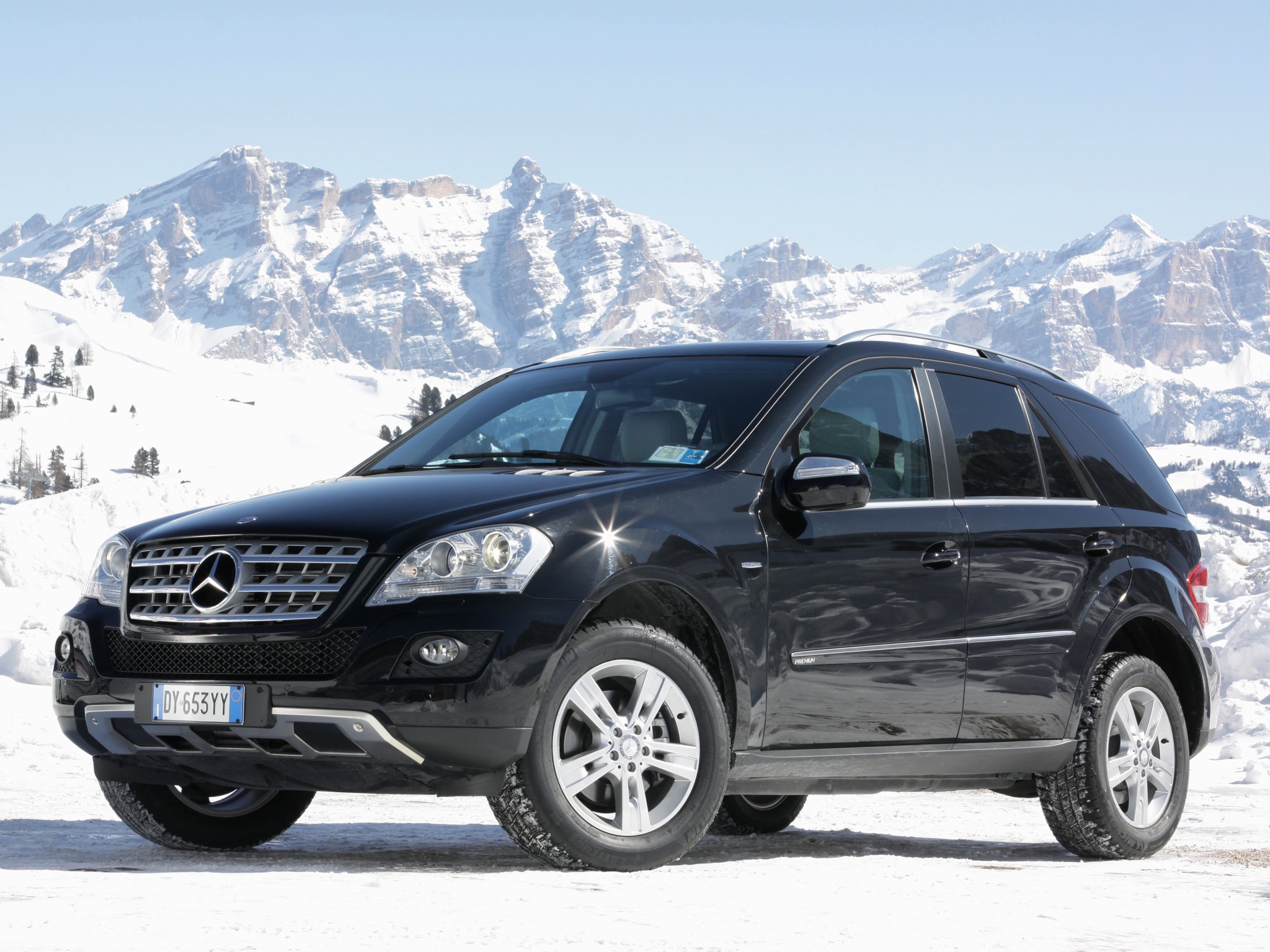
But that's not all, because in the mid-2000s the company pioneered AdBlue technology, which made its debut on the Euro 6 evolution of the V6 OM642, first on the E-Class 320 Bluetec and then on the ML, GL and R 350 Bluetec, a solution that was at the time definitively pioneering in minimising NOx and particulate emissions.
Finally, the latest generation of engines was designed already compatible with advanced biofuels such as HVO100 and today represents the pinnacle of the evolution of this technology.
Diesel is not dead:
RECOMMENDED FOR YOU
Mercedes-Benz C-Class Facelift Hides A 255-HP Mild-Hybrid Surprise
Mazda's Fictional Rotary Sports Car Is Returning For A Hardcore Version
I Drove Two Of Mercedes' Most Extreme Cars, 52 Years Apart: 300 SLS Vs SLR Stirling Moss
Mini Rooftop Edition Turns Its Signature Contrast Roof On Its Head
'Boot' Tries To Take Out Mercedes Driver Every Time They Open It. Then They Take It To The Shop: ‘Feels Calculated And Personal’
Woman Tells Trader Joe’s Worker Her Car Is Making A Sound. She Can’t Believe How The Cashier Responds: ‘You Both Panicked’
Why Every New Car Seems To Have A Giant Screen Now