What All Those Numbers And Letters On Your Tires Actually Mean
The mysterious code on your tires is not random; it reveals secrets about your tires' age, size, capability, and more.
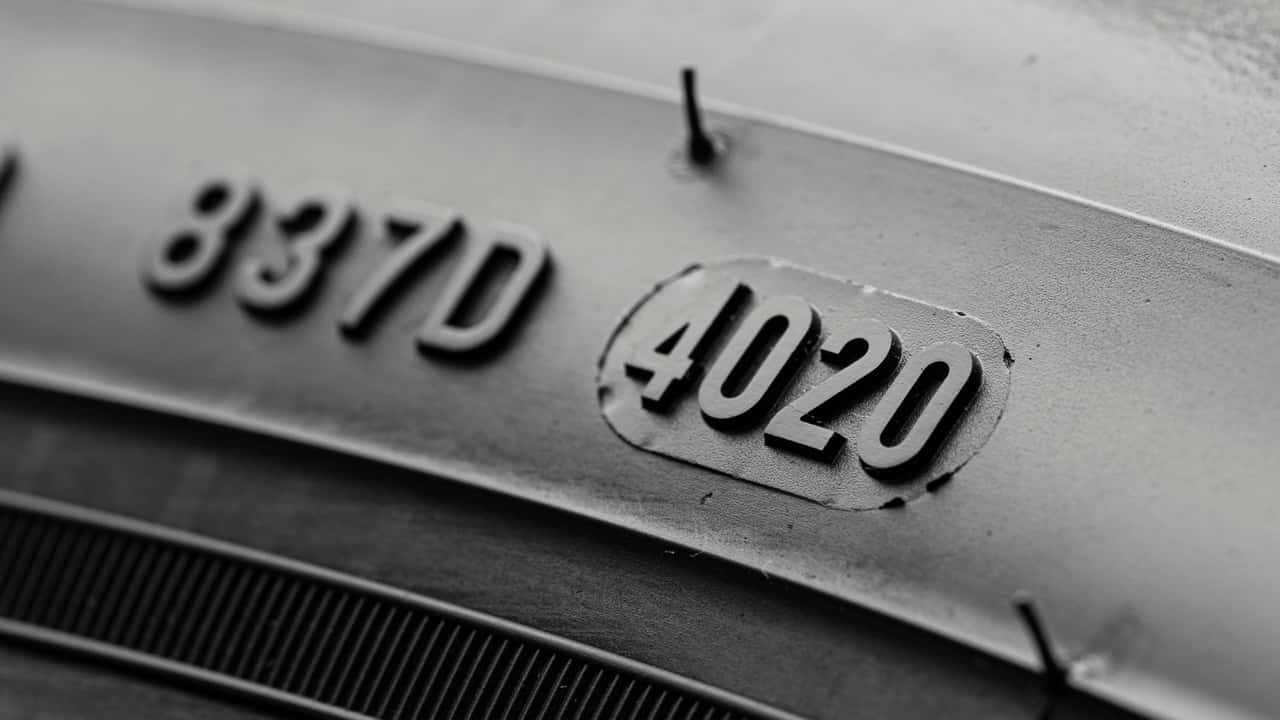

If you've ever looked at the side of a tire, you've probably noticed a strange combination of numbers and letters, such as 225/45 R17 91W, followed by a long string of codes, the word “DOT,” and plenty of other markings. It looks complicated or even intimidating to some drivers.
But those numbers are essentially the tire's ID card. They tell you how wide it is, how tall its sidewall is, what type of construction it uses, what size wheel it fits, how much weight it can carry, and how fast it's rated to travel. And some of the numbers can even tell you when the tire was made.
Motor101
Welcome to Motor101, our series dedicated to answering the internet's biggest automotive questions. From the origins of iconic designs to the engineering breakthroughs that shaped the world's greatest cars, we uncover the stories behind the vehicles you love.
What Does 225/45 R17 Actually Mean?
Let’s take a common tire marking: 225/45 R17 91W. Each part tells you something different:
- 225 — The tire is 225 millimeters wide.
- 45 — The sidewall height is 45% of the tire's width.
- R — The tire uses radial construction. That means the tire cords run perpendicular to the direction of travel, improving flexibility, stability, and durability.
- 17 — It fits a 17-inch wheel.
- 91 — The load index indicates how much weight the tire can carry. In this case, "91" means the tire can carry a maximum of 615 kg (1,356 lb) when properly inflated.
- W — The speed rating indicates the tire's approved maximum speed. "W" means the tire has a maximum rated speed of 270 km/h (168 mph) under specified conditions.
So what looks like a random string is actually a compact specification sheet. Tire manufacturers use this standardized format so drivers, tire shops and automakers can identify the basic dimensions and capabilities of a tire.
Why Are The Numbers So Important?
Those numbers aren't just there to make the sidewall look technical. The tire has to be compatible with the vehicle.
The wrong width, diameter, load rating or other specification can affect how the tire fits and performs. That's why automakers specify particular tire sizes for their vehicles.
The load index is especially important. A tire isn't simply rated for a certain size wheel; it also has a maximum load it is designed to carry.
The speed rating matters, too. A higher letter doesn't necessarily mean the tire is “better” for every vehicle, but it indicates the maximum speed the tire is designed to handle under specified conditions. That's why replacing a tire isn't as simple as buying one that happens to fit the wheel.
The DOT Numbers Tell A Different Story
Then there's the DOT code. The DOT marking and Tire Identification Number, or TIN, provide information used to identify the tire and its manufacturing details.
NHTSA says the TIN can include the manufacturer, manufacturing plant, tire size information and date of manufacture, and it's also used to help facilitate tire recalls.
The final four digits of the date code are particularly useful. For tires produced since 2000, those four digits identify the week and year of manufacture. A code ending in 2424, for example, means the tire was manufactured during the 24th week of 2024.
That can be surprisingly useful when you're buying used tires or checking how long a set has been sitting around.
Not Every Number On The Sidewall Means The Same Thing
Once you know the basic tire-size code, you'll notice there's still plenty of information molded into the rubber. Some markings tell you about the tire itself, while others exist for safety certification, identification or regulatory purposes.
You might see DOT, which indicates the tire is certified as conforming to applicable U.S. federal tire safety standards. The Tire Identification Number (TIN) identifies the tire and helps support recall efforts. The load index indicates its maximum load capacity, while the speed rating indicates its approved maximum speed.
The “R” in the tire-size marking identifies radial construction, while the rest of the size code gives you the tire's dimensions and wheel diameter. You may also find manufacturer and plant codes that help identify where the tire was produced. Some tires carry additional markings for particular vehicle manufacturers, tire types or applications.
So that enormous collection of letters and numbers isn't really clutter. It's information the tire industry needs to identify exactly what that piece of rubber is.

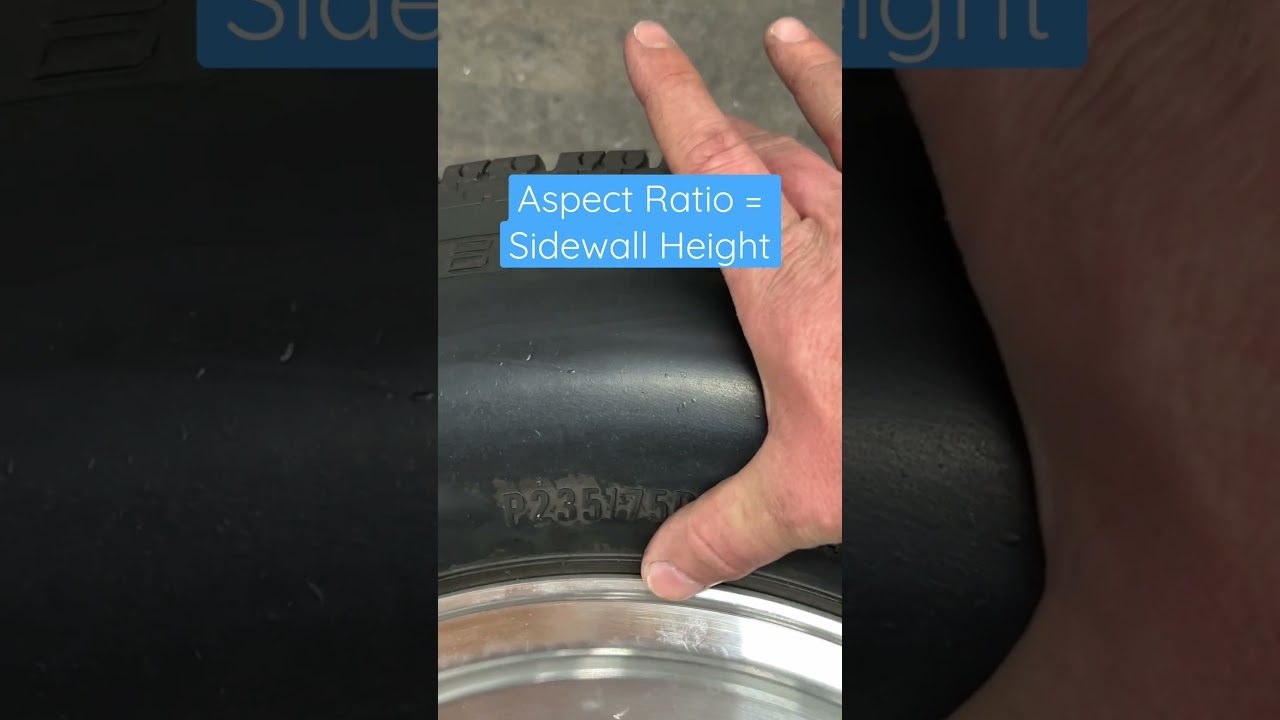
The Numbers Can Help You Avoid Buying The Wrong Tire
The next time you're shopping for tires, don't just look at the first three numbers; the complete tire specification matters.
For example, two tires might both be 225 millimeters wide and fit a 17-inch wheel, but they can have different load indexes, speed ratings, construction characteristics or intended applications.
Your owner's manual or the tire information placard on the vehicle will tell you the manufacturer's recommended size and specifications.
It's also worth checking the existing tires before ordering replacements. If the numbers don't match what your vehicle calls for, don't assume they'll work just because they physically fit the wheel.
Many Drivers Are Confused About The Codes On Their Tire Sidewalls
A recent r/tires Reddit thread came from an owner who simply asked where to find the tire's size and manufacturing year. The responses broke down the markings piece by piece, explaining that codes such as 285/55 R20 describe width, aspect ratio, radial construction and wheel size, while the load and speed ratings provide additional information.
Another r/tires discussion came from a driver who understood the basic sizing numbers but wanted to know what markings such as 106H and 104V meant. The answer was straightforward: the number represents the tire's load rating, while the letter represents its speed rating.
The manufacturing-date code seems to cause even more confusion. Multiple recent Reddit threads like this one show owners mistaking other four-digit numbers for the date code. Redditors repeatedly point out that the actual date code is typically the four digits following the DOT identification sequence, and that the complete DOT code may only appear on one side of the tire.
That confusion is understandable. A tire sidewall can look like a bunch of random numbers until you know what you're looking at. But once you learn the basic code, those markings become a surprisingly useful cheat sheet for your tires.
The Bottom Line
The numbers and letters car owners find on their tire are just a jumble of codes but they carry some pretty important information about the tire's size, capability and even its history.
The size marking on the sidewall gives you a good idea of how wide the tire is and how it'll fit on your wheel, which is pretty handy when you're out in the market looking for a new one. And let's not forget the load index and speed rating, which is essentially a guide to how much weight the tire can handle and how fast you can drive on it. If you're into the nitty gritty details, you can even use the DOT code to figure out when the tire was made.
Now, being able to decipher those markings can be a lifesaver when you are in the market for new tires, or even when buying a used car and want to know when the tires were last replaced. Two tires can look nearly identical but have different ratings or specifications that make one more suitable for your vehicle than the other.
Those markings are the tire's ID card, so knowing how to read them can help you make a smarter, safer choice when it's time for a new set.
More From Motor101
RECOMMENDED FOR YOU

Why Every New Car Seems To Have A Giant Screen Now
Mini’s Next Cooper Might Switch To Rear-Wheel Drive—R50 Cues Return
Your Car Has a Hidden Mechanical Key. Here's Why It's There
This Is The Billionaire Who Dropped $40 Million On Ferrari’s First EV
Why Does The Mercedes-Benz Logo Have Three Points?
Shelby Daytona Cobra Just Broke US Auction Record At $42.9 Million
Why AWD Isn't The Winter Advantage You Think It Is