They Did A Study About American Millionaires. Turns Out Most Of Them Drive Toyotas. Here’s Why—According To Science
"Just missing the million."
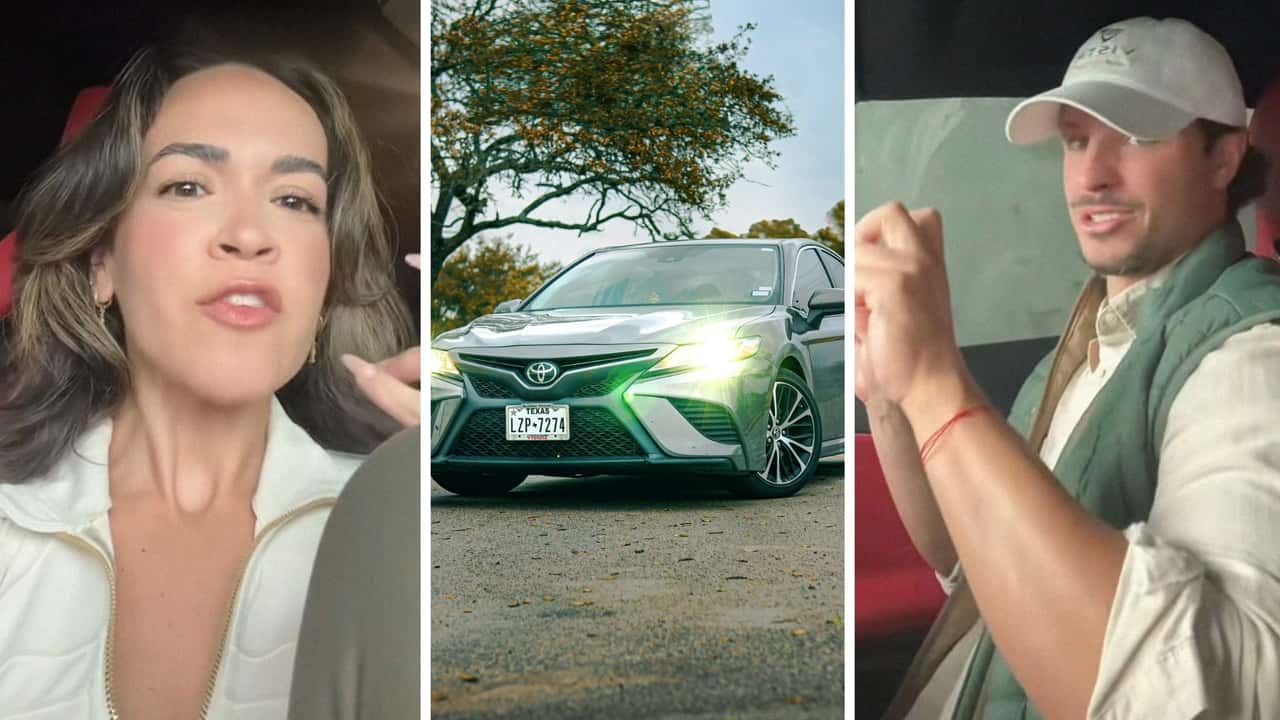

The stereotype of most American millionaires is that their time behind the wheel is spent in Ferraris, Bentleys, and six-figure SUVs. But one of the most enduring studies of wealthy Americans found something much less glamorous parked in their driveways: Toyota Camrys and Ford pickups.
Entrepreneurs who are proud of their success tend to have lots of thoughts about the habits of successful people, which is what we get in a recent TikTok from creator Brian Luebben (@brianluebben), a podcaster and real estate investor who said he spent his early business years traveling in a Camry.
“You get to where you're going through driving the Camry and putting all the money back into investments and assets and into your business so that your business can actually scale and grow,” he said in the clip that’s been viewed more than 660,000 times. “Eventually you have so many assets that they produce the passive income that then allow you to have a car payment paid for from your assets.”
What Do Millionaires Drive?
The data being referenced in the video comes from a book published 30 years ago that has grown to be a must-read for budding entrepreneurs. When researchers Thomas J. Stanley and William D. Danko published The Millionaire Next Door in 1996, they drew on years of data from affluent households, looking find out how ordinary Americans who don’t come from legacy families build great wealth.
Their conclusion challenged the conventional wisdom that holds millionaires as conspicuous spenders. Instead, the people who had accumulated seven-figure net worths were often disciplined savers who prioritized financial independence over projecting success.
Stanley and Danko found their subjects were far more likely to direct excess income toward businesses, investments, retirement accounts and appreciating assets rather than toward impulsive luxury purchases.
That helps explain why practical, low-profile vehicles appear throughout the researchers' work. Reliable, mass-market cars and trucks cost less than luxury brands to buy, insure and maintain, with the leftover income often invested in appreciating assets.
A Toyota Camry or a Ford pickup, which was also associated with the book's findings, became less of a prescription than a symbol of good money habits. The point was that wealthy people tended to view a car as a tool instead of a status symbol.
Given that, Luebben's advice to "pay for it in an unsexy way" is a translation of the book’s advice for today’s young entrepreneurs.
Camry Owners Celebrate Success
The commenters suggested that message still resonates, even if viewers couldn't agree on the details. Plenty of owners happily claimed their Camrys, Corollas and aging Toyotas were evidence they were on the right path, with one joking that they had "the Camry, just missing the million.”
Another said their 20-year-old sedan had required so little maintenance that it let them "focus on my goals." Others argued the broader principle mattered more than the badge on the hood, pointing to Hondas, older pickup trucks and even Lexus models as examples of dependable vehicles that prioritize longevity over flash.
Not everyone bought into the premise. Some commenters countered that the wealthy people they know drive high-end German luxury cars or exotic SUVs, while others pointed out that today's millionaire population spans retirees, entrepreneurs and young tech founders whose tastes can vary dramatically.
If there was a consensus, it wasn't that a Camry is a shortcut to becoming rich. It was that, whether people agreed with the decades-old research or not, the debate still taps into the need for status symbols for some entrepreneurs and executives, while others prefer to avoid flash and glitz.
That idea has plenty of real-world examples. Warren Buffett has famously lived in the same Omaha home he bought in 1958 and has spent decades dismissing lavish spending as unnecessary. Sam Walton was known for driving an aging Ford pickup and frequently drew attention for his reluctance to spend money simply because he could.
Neither of those executives became wealthy because they drove ordinary vehicles. In the age-old correlation versus causation construct, the causation runs in the opposite direction. The men’s cars reflected how they prized capital allocation over appearances.
That's also part of the reason why the Camry has endured as the unofficial mascot of millionaire folklore. It doesn’t mean that buying a Camry will result in a flush bank account right away.
But driving a reliable, affordable car provides the financial and personal stability needed for would-be businesspeople to take calculated risks elsewhere in pursuit of business success.
Motor1 reached out to Luebben via direct message and comment on the clip. We’ll update this if they respond.
RECOMMENDED FOR YOU

What Does 'NASCAR' Actually Stand For?
Man Buys Dodge Car. Then He Gets Arrested Because Of What The Previous Owner Did: ‘Carfax Didn’t Tell Them That’
Why Do Jeeps Actually Have Seven Slots In The Grille?
The Genesis G70 Is Losing Its Best Engine
Is Ford Considering A Cheap Rally Car? Sure Sounds Like It
School Principal Rents Ford Van For Practice. Then Enterprise Tells Her Where She Has To Pick It Up
Mavis Charges Him $1,200 For Work. Then He Learns There Was Nothing Wrong With His Ford Mustang