‘I See Why Enterprise And Hertz Are Strict’: Man Starts His Own Rental Car Service For Apps Like Turo. Then He Rents Out A Buick
'This what they don’t show you about ownership.'
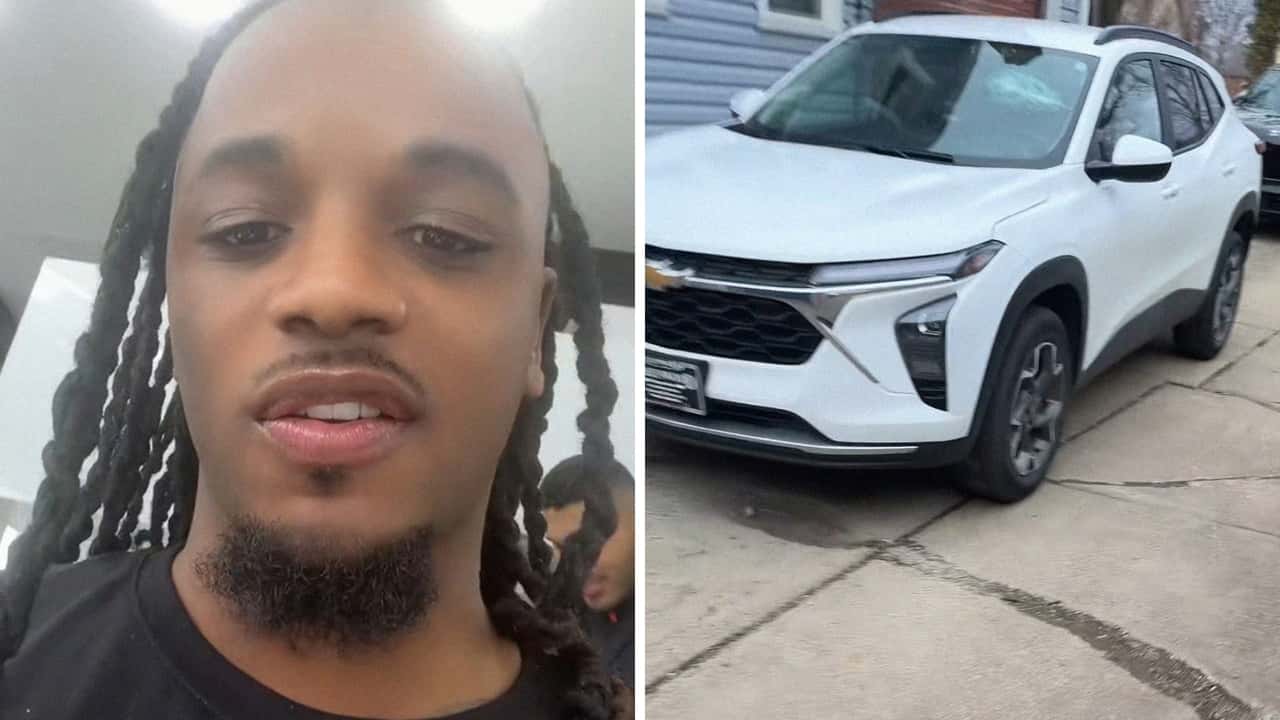

Starting a small, independent rental car company may rank somewhere between opening a restaurant and buying a boat on the list of historically terrible financial ideas. But one TikTok creator who had his mind set on buying and deploying a small fleet of cars found out just how quickly things can spiral out of control and create a financial catastrophe.
Creator and hopeful entrepreneur Kevin (@kevvekev1011) shows us up close how much damage a careless and possibly intoxicated renter can do, with a video that opens on a black Buick Envista that looks like it was the loser in a series of demolition derbies. We learn that two of the nine cars he’d purchased have been totaled, but he said in a follow-up video that he’s not giving up.
“Within the first two months … totaled,” he said while showing a badly damaged Buick Envision in the clip that’s been viewed more than 419,000 times.
Rental Apps Promise Financial Windfalls
While Kevin never explicitly names the platform he’s using, the structure of his business strongly suggests he’s operating through the growing peer-to-peer rental market popularized by apps like Turo, where independent owners purchase vehicles and rent them directly to customers. Over the past several years, social media has become filled with videos pitching the idea as a scalable side hustle or small business opportunity, with creators documenting how quickly they can build fleets and generate revenue.
Kevin’s videos show the much uglier side of that equation.
The damaged Envista appears almost beyond repair. Its windshield is shattered into dense spiderweb cracks. The front quarter panel is crushed inward near the driver-side wheel, while parts of the front bumper hang loose beneath the grille. Scrape marks stretch across the black paint, and the deployed airbags visible through the glass suggest the crash was severe enough to trigger the SUV’s safety systems.
In a follow-up clip walking viewers around the wreckage, Kevin speculated that the renter may have hit a parked car while driving drunk, though he did not provide additional details or documentation surrounding the crash.
In the comments beneath the videos, Kevin repeatedly claimed the damage would not be covered by insurance, at one point suggesting the issue stemmed from a lack of proper commercial coverage for the vehicles. He didn’t elaborate on the carriers’ decision or provide any clarifying documentation.
The videos quickly drew reactions from viewers who were torn between sympathy and disbelief. One commenter asked Kevin whether he had rented the vehicles out “to the Avengers,” while another joked the driver must have been “running from Big Foot.” Others simply responded with crying emojis.
Beneath the jokes, though, was a recurring realization that major rental companies suddenly seemed a lot less unreasonable.
The Realities Of The Car Rental Business
For years, large rental chains like Enterprise and Hertz have built reputations for strict policies around deposits, inspections, mileage, late fees, and damage claims. Kevin’s clips serve as a worst-case-scenario explanation for why those systems exist in the first place.
A national rental company losing two vehicles may barely register on a balance sheet. A small operator with a nine-car fleet losing two crossovers in the span of eight weeks, without any layers of financial insulation protecting them from downtime, insurance disputes, loan payments, or expensive repairs? Less likely.
Modern vehicles loaded with airbags, sensors, cameras, and driver-assistance systems can become extraordinarily expensive to fix after even moderate crashes, especially once structural damage is involved, potentially turning what already looked like a brutal setback into an outright financial disaster without proper insurance policies.
The chasm between the glamorous idea of owning a “fleet” of cash-producing vehicles and the financial reality of running the business made Kevin’s dim prospects as a businessman easy to grasp, even if the reality was ugly.
“This what they don’t show you about ownership,” Kevin wrote in another caption alongside footage of the damaged SUVs.
Despite the damage, Kevin insists in follow-up posts that he isn’t shutting the business down. “Still learning… still going…” he wrote in one caption. “I ain’t quitting.”
In some ways, the videos became an accidental crash course (literally) in the risks of peer-to-peer rental businesses. Experienced operators on apps like Turo often stress the importance of commercial insurance coverage, careful renter screening, mileage tracking, security deposits, GPS monitoring, and maintaining enough financial reserves to survive major downtime or catastrophic damage claims.
Kevin’s experience appeared to highlight what can happen when even one part of that equation breaks down because of exuberance and irrational confidence. Two months into ownership, a business that may have looked like a passive income jackpot on social media had become a full-scale financial crisis.
Motor1 reached out to Kevin via direct message and comment on the clip. We’ll update this if they respond.
RECOMMENDED FOR YOU

Man Gets Intoxalock Breathalyzer After DUI. Then He Tries To Use It In 90-Degree Heat: ‘They Put A Camera In There Too?!?’
Ferrari Wants To Turn Taillights Into Active Aero
Woman Drives A 'Lemon Law' Car. Then A Mechanic Approaches Her At Whole Foods With An Enticing Offer: 'Only Takes Me 15 Minutes'
How Much Car Can I Actually Afford? Here's A Simple Way To Figure It Out
Chevrolet Trax Driver Complains About ‘Buzzing’ Sound On Dashboard. The Mechanic Is Puzzled At First—Then Finally Finds The Source
The 2027 Chevy Traverse High Country Gets A More Upscale Makeover
Man Dings Car. Then He Gets The Bill: ‘Ruining Someone’s Life Over A Baby Scratch’