Home
Volkswagen
News
Volkswagen's Struggles Continue: The Company Is Slashing Capacity Again
Volkswagen isn't selling nearly as many vehicles as expected, and it must cut costs.
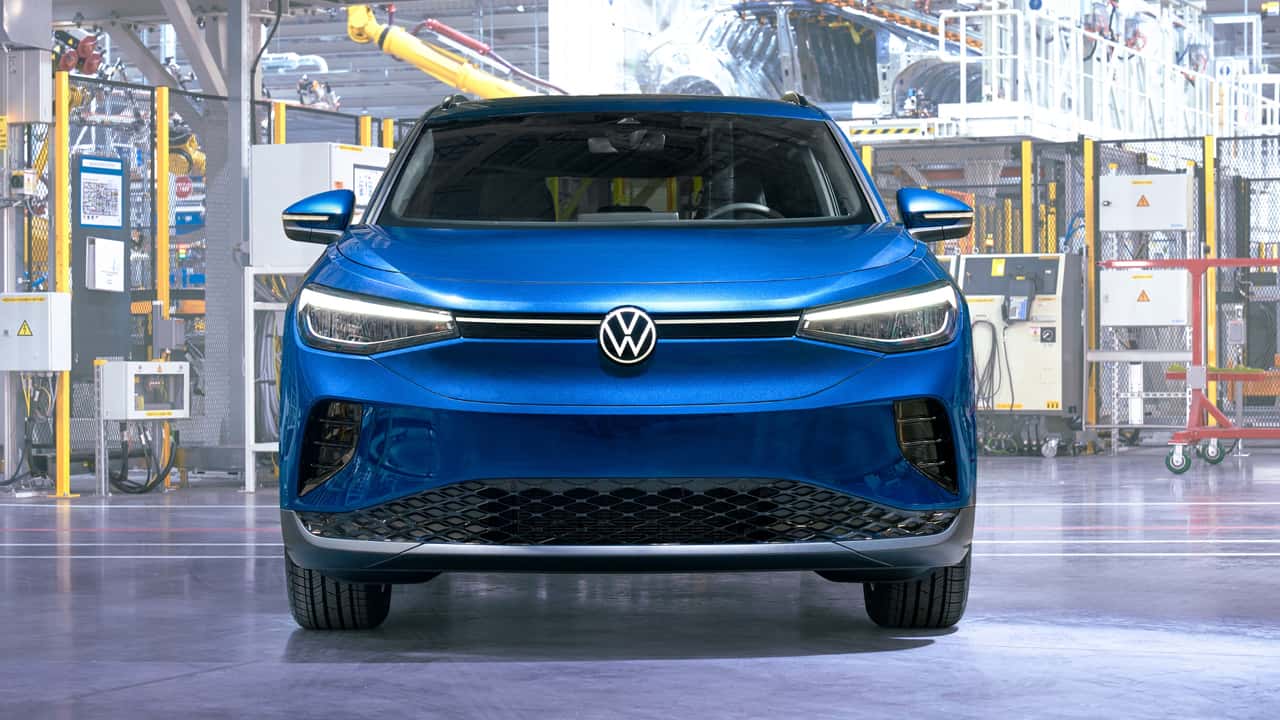
Photo by: Volkswagen
Anthony Alaniz 
By: Anthony Alaniz
Apr 21, at 2:00pm ET
Add Motor1.com as a preferred source in Google
- (https://twitter.com/intent/tweet?url=https%3A%2F%2Fwww.motor1.com%2Fnews%2F793601%2Fvolkswagen-group-reduce-production-capacity%2F&text=Volkswagen%27s%20Struggles%20Continue%3A%20The%20Company%20Is%20Slashing%20Capacity%20Again&via=motor1com)
- copy
Share
Comment
The Breakdown:
- Volkswagen Group has to cut production capacity by a million units.
- It will focus on reducing capacity in Europe and China.
- The company is facing numerous challenges, including tariffs, competition, and the war in the Middle East.
In 2019, before the pandemic, Volkswagen Group was riding high. The German auto conglomerate sold nearly 11 million cars worldwide and was preparing for 12 million, but it never got close to that figure. Since 2020, the company has failed to sell more than 10 million vehicles a year, which is insufficient given its available production capacity.
In a recent interview with Manager Magazin, VW Group CEO Oliver Blume said that the automaker plans to reduce its annual capacity by another one million units. The company, like the rest of the industry, is facing numerous geopolitical challenges with no clear end in sight. He told the publication:
'The tariffs in the USA, the immense competitive pressure in China, the shrunken European market, now the war in the Middle East. Who knows what's next? These developments do not just pass. This is the new normal. And we will face it.'
Those challenges, parried with its overcapacity, "is not sustainable for our company long term," he said, adding, "And in today's market and competitive situation, the volume planning of the past is unrealistic."
Blume has said he wants to avoid plant closures and will not rule out selling one to a Chinese competitor as he looks to reduce capacity in Europe and China. The company needs to cut costs by 20 percent in just a few short years.

VW Group Continues To Struggle
This is not the first time the automaker has had to consider reducing capacity. In 2024, rumors surfaced that Volkswagen could close up to three factories in Germany, with unions feverishly negotiating with the automaker to keep them open. The works council even suggested sweeping wage cuts.
What do you think?
View
Comments
In 2025, Volkswagen then faced stiff tariffs in the United States, which cost the company $1.5 billion in the first six months of that year. Sales for the Volkswagen and Audi brands tumbled last year, while Porsche was steady, but as Blume said, the company still faces numerous challenges.
Motor1’s Take: Volkswagen Group’s struggles show just how volatile the automotive industry is right now. In just a few short years, the entire global landscape changed, forcing companies to make drastic decisions in order to compete.
More From Volkswagen Group:
Audi Considers 'Technological Possibilities' To Keep Five-Cylinder Alive In Europe
Porsche Sales Slipped Early In 2026
VW CEO Says Sedans and Hatchbacks Have a Future: 'Heartbeat' Of The Brand
Bentley Dealers Want An Off-Road Bentayga: ‘Bring It To Market'

Stay informed with our newsletter every weekday
back
Subscribe For more info, read our Privacy Policy & Terms of Use.
Source: Manager Magazin via Electrive.net
We want your opinion!
What would you like to see on Motor1.com?
Take our 3 minute survey.
- The Motor1.com Team
Share this Story
- (https://twitter.com/intent/tweet?url=https%3A%2F%2Fwww.motor1.com%2Fnews%2F793601%2Fvolkswagen-group-reduce-production-capacity%2F&text=Volkswagen%27s%20Struggles%20Continue%3A%20The%20Company%20Is%20Slashing%20Capacity%20Again&via=motor1com)
- copy
GO TO COMMENTS
(
)
Got a tip for us? Email: tips@motor1.com
View all comments ( )
Popular
12 Cars With Names That Make Absolutely No Sense
BMW Kept This Hatchback A Secret For Decades
Bugatti Restores One-Off Veyron With A Mirror-Like Aluminum Body
The Gas BMW M3 Isn't Dead: Next-Gen Prototype Roars
latest articles
- Driver Goes Through Car Wash With Full Truck Bed—Then He Learns The Hard Way Why You Shouldn't Do That Oct 20 - Trending -
- Every Rolls-Royce Has A Hidden Feature Most People Don't Know About Oct 20 - Motor101 -
- Subaru Built A 510-HP Electric Wagon Without Toyota's Help Oct 20 - Official -
- The Strange Reason The Golf GTI Had A Golf Ball Shifter Oct 20 - Motor101 -
- Photos: Porsche's Mission S Concept Takes Over New York City Oct 20 - Design -
- The 2027 Honda Passport TrailSport Looks Noticeably Taller Next To Last Year's Model Oct 20 - Off-Road -
- 12 Cars With Names That Make Absolutely No Sense Oct 20 - Lists -
RECOMMENDED FOR YOU
The Strange Reason The Golf GTI Had A Golf Ball Shifter
Every Rolls-Royce Has A Hidden Feature Most People Don't Know About
12 Cars With Names That Make Absolutely No Sense
Subaru Built A 510-HP Electric Wagon Without Toyota's Help
This German City Exists Because Of Volkswagen
Photos: Porsche's Mission S Concept Takes Over New York City
10 SUVs That Get 30 MPG Without Hybrid Power