'It's Bone Dry:' Family Goes to Take 5 for an Oil Change. Now She's Issuing a Warning—But Is It the Dealership's Fault?
"It sounds like you’re getting the sh-t end of the stick from the dealer and Take 5."
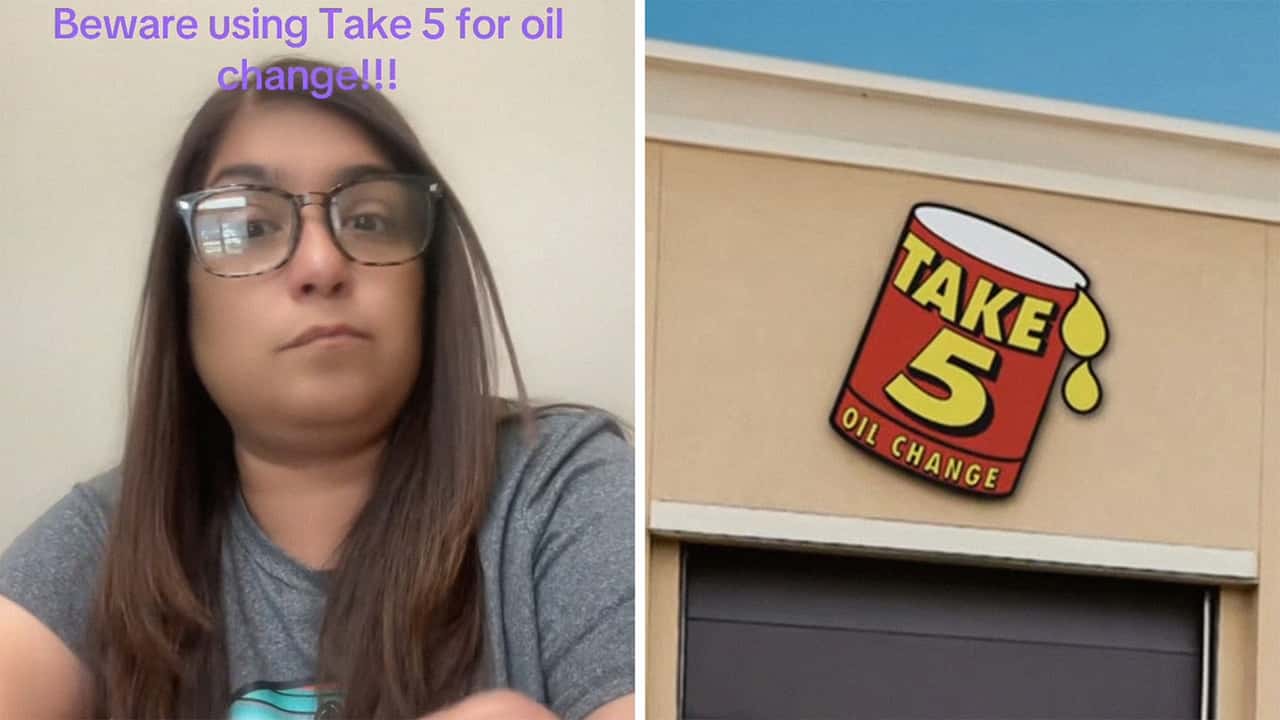

A simple Saturday errand turned into a mechanical and financial nightmare when a TikToker’s family discovered their engine had been run with zero oil, and neither Take 5 Oil Change shop nor a local dealership seemed in a hurry to make things right.
In a viral TikTok clip, Judy (@judyss7), a Pasadena, California-based creator, discusses how a quick oil change at Take 5 has turned into an expensive and frustrating four-month car repair ordeal.
The saga began in late March, when Judy’s husband took their Volkswagen to a local Take 5 location for a routine oil change after the dealership was unable to accommodate him that weekend. Minutes after leaving, he called home with concerns: The car wasn’t driving right. Then, it stalled completely.
A tow truck brought the car to the dealership, but because it was a Saturday, technicians couldn’t inspect it until Monday. That’s when the service advisor broke the news: The engine was “bone dry.” No oil had been added during the change.
According to mechanics and service techs, an engine run with no oil can seize within seconds, especially in turbocharged vehicles like those in the Volkswagen lineup. The resulting friction and heat buildup can cause bearings to fail, pistons to weld to their cylinders, and metal shavings to spread throughout the engine block, resulting in a total loss.
The dealership confirmed the engine needed full replacement, but because it was a German-built model, the part was on backorder—a common issue with European parts post-pandemic.
Repaired Engine, an Unresolved Claim
Judy says Take 5 accepted responsibility after she contacted its corporate office. The company’s third-party insurer, Fleet Response, opened a claim and agreed to cover the cost of the new engine and a rental car while it was being repaired. But the ordeal was just getting going.
When the engine finally arrived two months later and the dealer installed it, the car still wouldn’t start. A failed starter was blamed, and that’s where the reimbursement stopped. Take 5’s insurer argued that the starter failed because Judy’s husband had attempted to restart the car multiple times after it stalled, and that Take 5 shouldn’t be responsible for that additional damage. The company also declined to extend the rental coverage any further.
With no car and no ongoing support from the insurer, Judy and her husband were at a standstill. They couldn’t afford to keep paying for a rental, and they needed transportation for work. Eventually, they were forced to purchase a second vehicle out of pocket, all while still making payments on the original car that remained at the dealership.
Via email, a Take 5 spokesperson gave Motor1 the following statement:
“At Take 5 Oil Change, customer care and satisfaction are a top priority. Following a customer complaint, we thoroughly reviewed the incident, which is relayed in the TikTok video. After the customer experienced an issue with their vehicle following an oil change at Take 5 Oil Change, we covered the costs for towing the vehicle to a dealership, renting a replacement vehicle, and a new engine. Following the engine repair at the dealership, the dealer cited that the starter was no longer working and required replacement. As with all claims, Take 5 Oil Change conducted an additional investigation. As part of this investigation, Take 5 Oil Change reached out to the dealership to uncover further details, but the dealership could not provide evidence or cause for the starter issues. Because of a lack of evidence, the claim for the starter replacement and any further rental coverage was denied. We appreciate customers sharing their concerns, and we remain committed to providing transparent and open communication.”
Complaints about oil change errors, including overfilling, underfilling, or failing to tighten plugs and filters, are not uncommon at quick-service chains. But proving negligence, especially when damage is discovered days later or worsened by subsequent driving, can be difficult.
How Drivers Can Protect Themselves
Stories like this one underscore the importance of diligence, especially for owners of newer vehicles or those still under factory warranty. While mistakes during routine maintenance are relatively rare, when they do happen, they can have devastating consequences. Experts recommend several steps drivers can take to protect themselves from potential service errors and increase their chances of a successful resolution if something goes wrong.
First and foremost, check the oil level yourself before leaving the service lot. Even if the shop provides a clean bill of health, take a moment to pop the hood, remove the dipstick, and confirm that the oil is filled to the correct level. While this may feel awkward in a drive-thru environment, it could prevent significant engine damage caused by an overlooked step. Verifying fluid levels post-service is a key way to catch mistakes before they escalate.
In addition to checking fluids, always request a detailed receipt and review it for accuracy. Ensure that the correct oil type and volume are specified, and that the service meets your manufacturer’s specifications, especially for synthetic oil or vehicles with specialized requirements. Mismatches can not only damage your engine, but also void your warranty. Volkswagen, for example, requires VW 502 00-approved synthetic oils in many of its modern engines.
Drivers should also avoid aggressive driving immediately after an oil change, especially if the car feels different or if any warning lights come on. Driving cautiously for the first 10-15 miles can give you time to detect leaks, low oil pressure, or installation errors such as a loose drain plug or oil filter. As noted by AAA, it’s wise to pay close attention to the vehicle’s behavior and warning indicators after any maintenance service.
Another essential step is to document every interaction. If something goes wrong, having time-stamped records including receipts, photos of the oil dipstick or engine bay, emails with the service provider, and notes about phone conversations can make all the difference in filing a warranty or insurance claim. Consumer protection experts recommend keeping detailed maintenance records as part of any warranty dispute or repair conflict.
Owners of newer or high-performance vehicles may want to stick with dealership service centers or certified specialty shops for routine maintenance, even if it means waiting a few extra days. Dealerships often have access to factory-trained technicians, original equipment manufacturer parts, and direct ties to warranty providers. While quick-lube shops offer speed and convenience, they may not always adhere to the procedures or specifications required for more complex engines, leaving the customer vulnerable in the event of an issue.
Motor1 reached out to Judy via direct message.
Now Trending

RECOMMENDED FOR YOU

Man Spots Used Toyota Camry For $7,000. Then He Sees How Much It Costs At CarMax: ‘Crazy’
Want A One-Off Cayenne Or Panamera? Porsche Will Make It Happen
Woman's Land Rover Headlight Goes Out. Then She Finds Out How Much It Costs To Fix: ‘AutoZone Put Them In For Free’
911 GT3 Buyers Helped Convince Porsche To Give The Carrera S A Manual
Car Saleswoman Reveals 'You're Not Safe' If You Bring Car In For Service: 'The Dealership WILL Use Your Car For Parts'
You Can Make a Fiat Topolino Street Legal. Here’s How
Woman Buys A Hummer. The Next Day, Her Mechanic Pulls 216 Codes: ‘Was Anything Working?’