‘Instead of Paying $300:’ Woman Buys Toyota. Then She Buys Keyfob for $12 Off Amazon and Programs It Herself
"Not me being a mechanic."
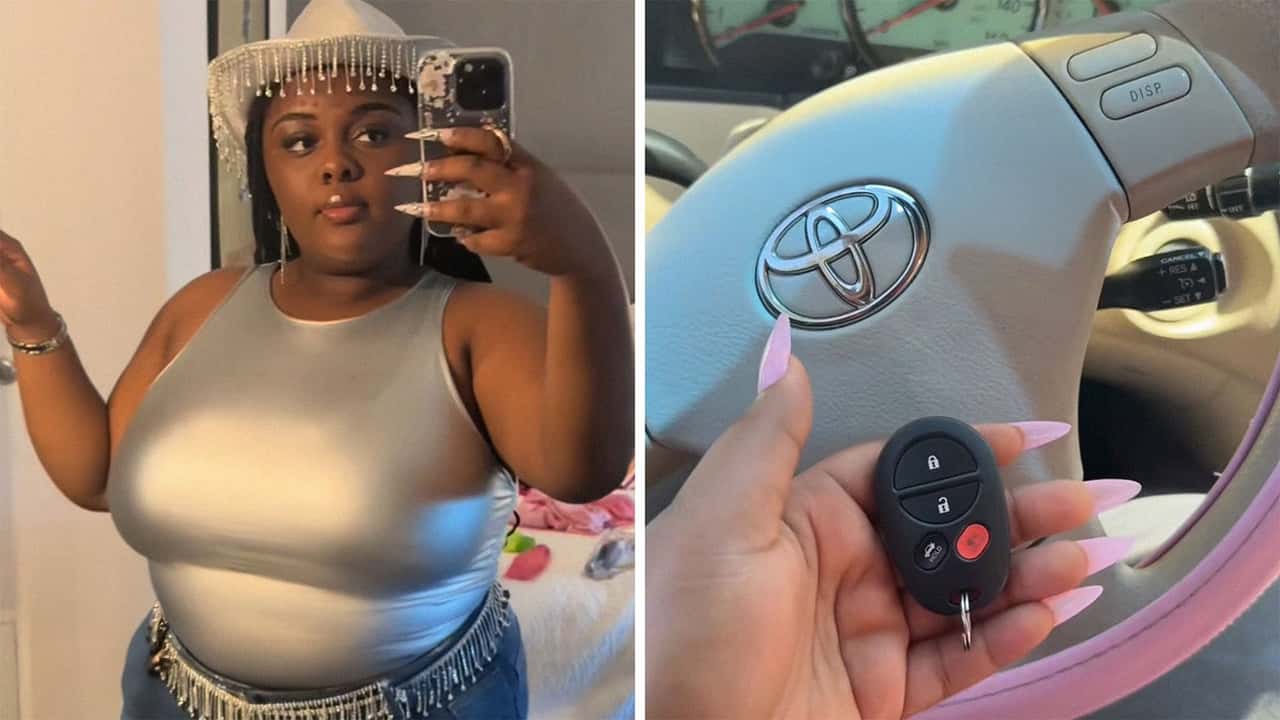

Programming a key fob isn’t just for pros with diagnostic tools, service bays, and a high hourly rate. Just ask TikToker Reign (@luhtizz), the owner of a new-to-her Toyota Camry Solara who tackled the key fob job herself, and earned plenty of views and admiration for her budget-friendly fix.
In the clip, which has been viewed more than 156,000 times, she shares that some smarts and a $12 Amazon purchase saved her a $300 trip to the locksmith.
Why Key Fobs Are so Expensive
If you’ve ever had to replace a lost or broken key fob, you already know the sticker shock. Depending on the make and model, a new key fob can cost anywhere from $150 to $600 to replace and program.
Why so pricey? Several reasons.
- Security Tech: Today’s fobs do a lot more than lock and unlock. Many contain rolling codes, proximity sensors, and immobilizer chips that talk to your car’s electronic control unit to prevent theft.
- Dealer-Only Tools: Especially in newer models, key fob programming often requires manufacturer-specific diagnostic software that only dealers or certified locksmiths can access.
- Labor Fees: Even if the part itself is $150, dealerships typically charge additional labor to program the fob—sometimes totaling over $400, particularly for push-to-start systems or luxury brands.
While mobile locksmiths can sometimes offer lower rates, availability and pricing vary by location, and they, too, often rely on expensive programming equipment.
Why This DIY Fix Worked
The Toyota Solara featured in the video is part of a generation of vehicles available from the early to mid-2000s that still allowed owners to program their own key fobs without special tools.
Models like the 2004-2008 Solara used a simple key-cycle method to pair a new remote:
- Insert and remove the key multiple times.
- Open and close the driver’s door.
- Press buttons on the fob during a specific sequence.
This process, once documented in Toyota owner manuals and enthusiast forums, bypasses the need for dealership intervention altogether. DIY guides for these vehicles are still readily available on sites like Toyota Nation and YouTube.
While the TikTok clip doesn’t capture the programming process, the owner likely followed a well-documented sequence used by many early-to-mid 2000s Toyota vehicles. The process typically begins with the driver seated in the car with all doors closed. From there, the key is inserted and removed from the ignition in a specific pattern—often twice in quick succession—followed by opening and closing the driver’s door multiple times.
After repeating this sequence, the key is inserted again and left in the ignition. At this point, pressing a button on the new fob usually completes the pairing, triggering the vehicle’s receiver to recognize and store the remote. Toyota models of that era commonly supported this DIY-friendly method and remain widely shared in online forums and YouTube tutorials by enthusiasts who’ve successfully replicated it.
This kind of non-transponder remote pairing is only possible on older vehicles, especially those not equipped with smart keys or push-button start systems.
Risks of DIY Key Fob Programming
While the viral clip highlights an impressive DIY success, the reality is that this kind of fix doesn’t work for most modern vehicles, especially those manufactured after 2015. In newer models, key fob programming is often integrated with complex electronic security systems that require specialized diagnostic tools.
These tools are often proprietary and accessible only to authorized dealerships or certified locksmiths who pay for original equipment manufacturer programming credentials. The rise of encrypted transponders and proximity-based systems has made do-it-yourself fob programming virtually impossible for most late-model vehicles.
Even when a vehicle supports some level of DIY programming, it comes with risks. Entering the wrong sequence or using incompatible hardware can cause the car’s electronic control unit to become stuck in a “learning” or locked state, potentially rendering the vehicle inoperable until it’s reset professionally. This can lead to unexpected towing or dealership fees, precisely the kinds of expenses DIYers are trying to avoid.
There’s also the issue of fob quality. While Amazon and eBay are full of affordable key fob replacements, many of these aftermarket options are hit or miss. Some units may lack the correct transponder chip, making them incompatible with the vehicle’s immobilizer.
Others may function initially but degrade quickly due to inferior components. The National Highway Traffic Safety Administration has raised concerns about counterfeit or poorly cloned key fobs that may compromise vehicle security or fail to meet industry standards.
Security experts have also flagged additional vulnerabilities. Cheap replacement fobs without proper encryption can open the door for techniques like relay attacks or signal spoofing, which allow thieves to trick the vehicle into thinking the fob is nearby.
Motor1 reached out to the creator via TikTok comment and direct message.
Now Trending

RECOMMENDED FOR YOU

Toyota 4Runner Driver Doesn't Want To Pay $20 Subscription To Start Car. Then She Discovers Key Fob Trick: 'The Things You Learn'
Polestar Won't Fight US Ban, Effectively Ending Its American Future
Man Goes To Mercedes Dealership With Navy Federal Check And $10,000. Then He Goes To Carvana: ‘They Wanted A Copy Of My Degree’
The New Maybach GLS Shows Its Face For The First Time
Volkswagen Driver Says She Puts Diesel In At The Pump—And The Men Around Her Always Say The Same Thing: ‘Men Come Running'
What Every Nissan Brake Caliper Color Means
Woman Flirts With Man At A Family Dollar. Then She Makes A Comment About His Toyota: ‘Don’t Ignore That Red Flag’