Cummins Made a New Turbocharger for Hydrogen Engines
With hydrogen's lower density compared to gasoline, hydrogen engines can benefit greatly from forced induction.
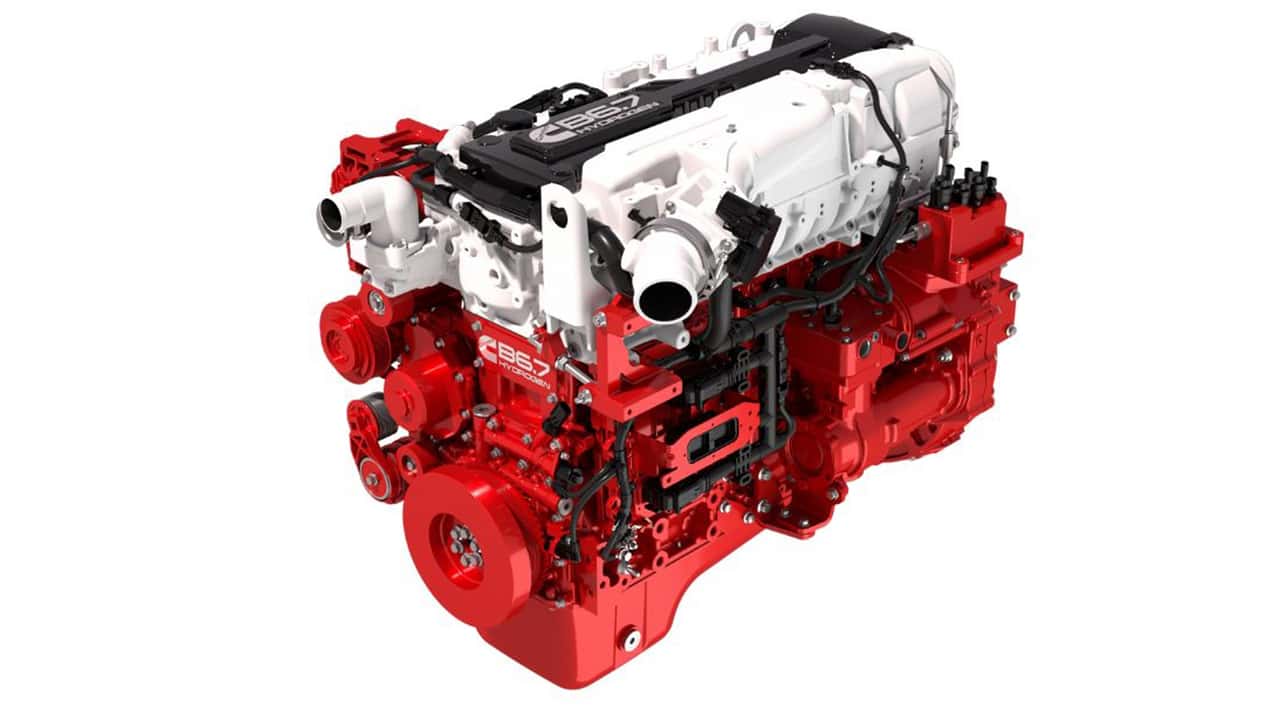

Update: Cummins advised Motor1 that this turbocharger is currently under development. This post has been updated to reflect that.
Hydrogen-powered vehicles are already here. Internal combustion hydrogen engines are being used in commercial applications in Europe, while numerous automakers globally have patents for hydrogen engines for both commercial and performance applications. Just like gas or diesel mills, air is mixed with fuel to make horsepower. And Cummins is working on a special turbocharger to force-feed these new engines, called the CCS H2 ICE.
It's a variable geometry turbo designed to "meet the unique requirements of hydrogen engines," according to Cummins. The exact details of the design aren't shared, though it's said to incorporate a bespoke aerodynamic design that caters best to hydrogen, which has a lower density compared to gasoline or diesel. A by-product of burning hydrogen is water, and being a turbocharger, it's driven by the engine's exhaust system. As such, the turbo is also designed to handle that water both in terms of power production and longevity.

Honda Class 8 Truck Hydrogen Fuel Cell Concept
Thus far, the only turbocharged hydrogen applications are for commercial vehicles such as trucks. But, with companies like Ferrari patenting hydrogen engine designs, it may only be a matter of time before we see big turbos boosting high-powered hydrogen supercars. In Europe, hydrogen combustion engines have zero-emission status.
The big problem right now is infrastructure. Hydrogen is notoriously difficult to transport and store compared to fossil fuels. Specialized high-pressure tanks and pipelines are required, and refueling also requires special connections that go far beyond a basic gas pump. There's also the volatility aspect, though hydrogen is less explosive than gasoline in an air-fuel mixture.
Cummins doesn't mention an exact timeframe for when the new turbo will be available.
A Future Filled With Hydrogen:

Source: Cummins
RECOMMENDED FOR YOU
Audi’s Sales Are Struggling. New SUVs Could Be the Answer
Man Trades In Lexus. Then He Realizes It’ll Sell For More Used Than It Did Brand-New: 'It's Disgusting'
Porsche Heard You: The Manual 911 Carrera S Is Back
What Actually Happens If You Shift Into Neutral While Driving?
2027 Rivian R1S Finally Gets Its 'Most Requested' Interior Feature
Woman Drives New GMC. Then She Sees The New Gearshift: ‘This Is So Much Worse'
Nissan's Smallest SUV Gets A Rugged-ish Makeover