Home
Porsche
News
Porsche LMP 2000 (1999): The racing car that never saw Le Mans
Revived after 25 years, the prototype completes its first laps with just 48 miles on the clock
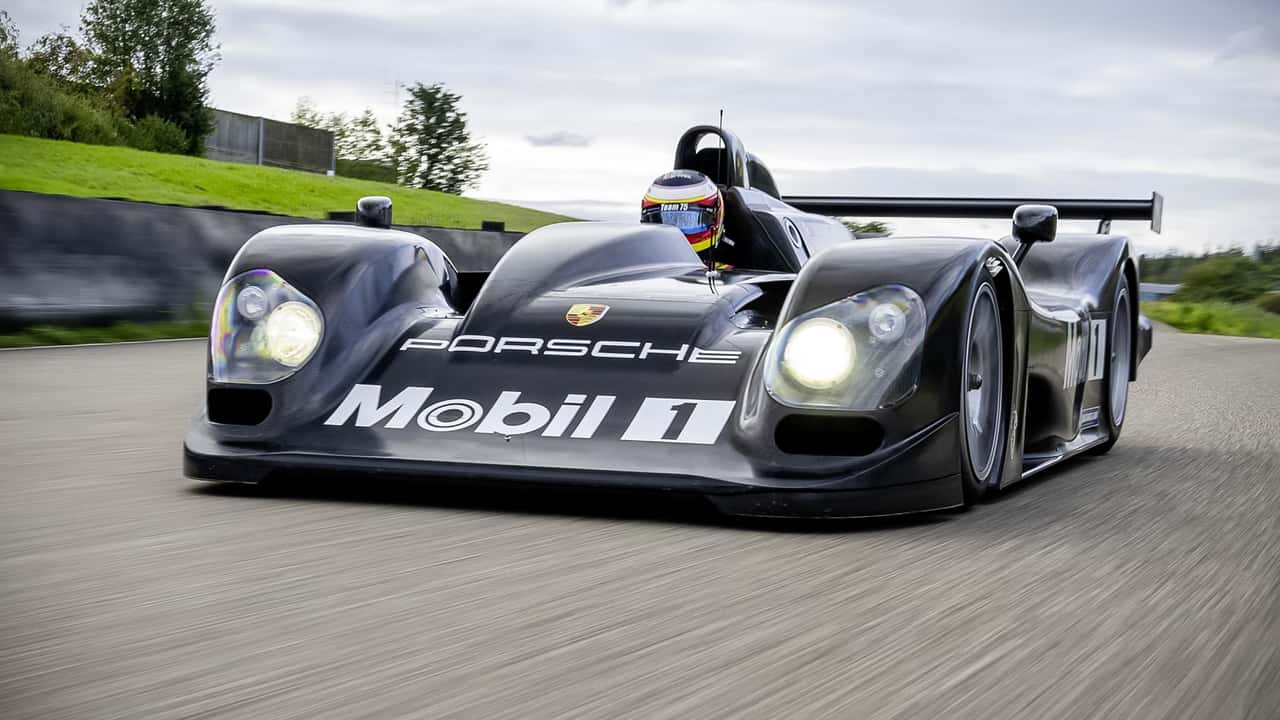
Photo by: Porsche

By: Benja Hiller
Published by: Brian Potter
Dec 18, 2024 at 4:41am ET
Add Motor1.com as a preferred source in Google
- (https://twitter.com/intent/tweet?url=https%3A%2F%2Fwww.motor1.com%2Fnews%2F744816%2Fporsche-lmp-2000-restored%2F&text=Porsche%20LMP%202000%20%281999%29%3A%20The%20racing%20car%20that%20never%20saw%20Le%20Mans&via=motor1com)
- copy
Share
Comment
Porsche has already collected 19 overall victories and over 100 class victories at the 24 Hours of Le Mans. One more was to be added in 2000, following on from the success of the 911 GT1. However, as is so often the case, things turned out differently than those involved thought.
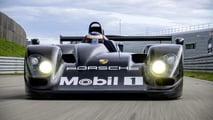
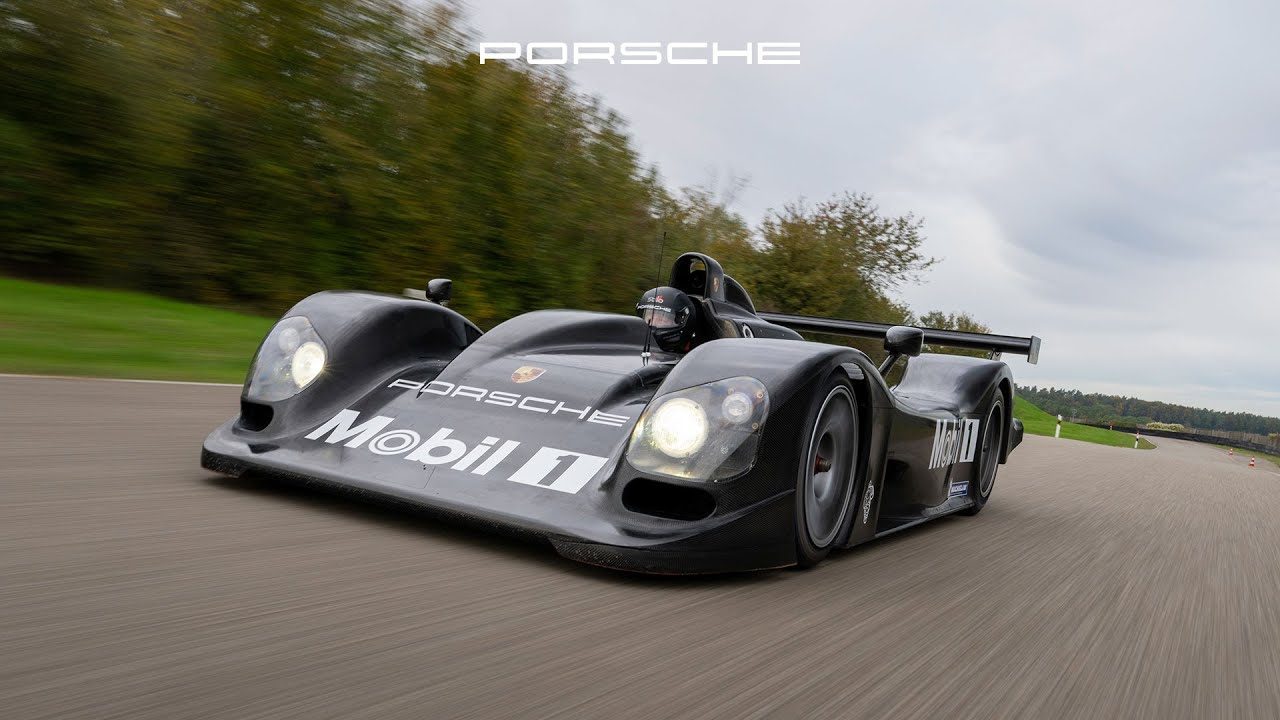
The LMP 2000 was already a worthy successor to the newly created LMP900 category. It crammed 600 PS from a naturally aspirated V10-cylinder engine with a displacement of 5.5 litres based on an earlier Formula 1 engine from Porsche into a monocoque with an open cockpit.
Gallery: Porsche brings racing car LMP 2000 (1999) to life

24
Source: Porsche
Even during the test, the LMP 2000, weighing just under 900 kilos, reached 188 mph. However, after just 78 test kilometres (48 miles) at the beginning of November 1999, the ambitious racing car, which was supposed to show what was possible for Porsche at the time, came to an end. The reason for the end: money.
The LMP 2000 only saw the test track in Weissach. Even before the first runs, the Porsche management at the time, led by then CEO Wendelin Wiedeking, decided to discontinue the Le Mans project for cost reasons, but approved the completion of the racing car and a few laps with it. The later Le Mans winner Allan McNish completed 60 kilometres (37 miles) before the project was to be mothballed for over 20 years.
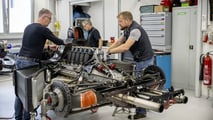
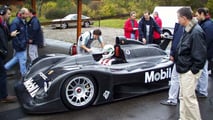
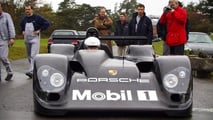
Porsche Heritage and the museum then remembered the brand-new prototype and dug it out for a revival. Slowly, they work their way towards the engine. The first step was to start the engine after almost 25 years and hear its distinctive ten-cylinder sound for the first time.
Porsche brings racing car LMP 2000 (1999) to life
Photos by: Porsche
Porsche brings racing car LMP 2000 (1999) to life
The gearbox is expected to cause more problems during rebuilding. That's why the Porsche Formula E team is lending a helping hand: "We found four control units and tried to access them using an old computer," says Steffen Wolf, an engineer from the engine management systems department, explaining the problem with communication between the paddle shifters and the gearbox: "So we needed a control unit that reacts to the signal from the paddle on the steering wheel and then actuates the gearstick. As paddle shifting was not possible, it had to be designed so that upshifts and downshifts take place when the clutch is operated."
This act succeeds, the car becomes shiftable and awaits its first roll-out after 25 years. During the restoration, many former team members and Porsche companions come together again. After 25 years at the wheel, then as now - Allan McNish. The 54-year-old is allowed to drive the first laps on the 2.88-kilometre test track: "Fantastic! It feels like I've just travelled back 25 years," said the Scottish-born driver.
What do you think?
View
Comments
And Timo Bernhard, who was just signing his contract as a Porsche Junior at the age of 18, also got to do a few laps. "I saw the car and imagined what it would be like to drive it one day," says the later Le Mans winner: "It makes me very proud that 25 years later I was able to complete a few test laps with the racing car"
It was not until 2015 that a Porsche won the 24 Hours of Le Mans again - the future Nürburgring record holder, the Porsche 919 Hybrid. Also on board: former Haas and future Sauber and Audi driver Nico Hülkenberg.
Further Porsche Motorsport activities:
New Porsche Taycan buries the Tesla Model S Plaid with 7:07 Ring lap record
Button to make WEC return racing Jota Porsche in 2024
Porsche 718 Cayman GT4 RS with Manthey kit laps Nurburgring in 7:03 minutes
Porsche has built more 911 race cars than other special-edition models
We want your opinion!
What would you like to see on Motor1.com?
Take our 3 minute survey.
- The Motor1.com Team
Share this Story
- (https://twitter.com/intent/tweet?url=https%3A%2F%2Fwww.motor1.com%2Fnews%2F744816%2Fporsche-lmp-2000-restored%2F&text=Porsche%20LMP%202000%20%281999%29%3A%20The%20racing%20car%20that%20never%20saw%20Le%20Mans&via=motor1com)
- copy
GO TO COMMENTS
(
)
Got a tip for us? Email: tips@motor1.com
View all comments ( )
Popular
The Rotary Engine Should Be Everywhere. Why Isn't It?
Driven: The Revuelto SV Is All Bull, No BS
Toyota's Next Mid-Engined Coupe Is Going Racing This Weekend
Alfa Romeo Has Had It With Huge Screens
Subaru Teases A New Manual WRX, But Only For Japan
latest articles
- The Legendary AMG Hammer Might Be Making a Comeback Oct 23 - Aftermarket / Tuning -
- The New Hyundai Tucson Could Be Its Most Popular Yet Oct 23 - Sales -
- How A Tire Company Created The World's Most Famous Blimp Oct 23 - Motor101 -
- Acura Just Trademarked Four New Names, Hinting At 3 New SUVs Oct 23 - Patents & Trademarks -
- Driven: The Revuelto SV Is All Bull, No BS Oct 23 - New Car Reviews -
- The Mercedes 300 SL's Gullwing Doors Weren't Just For Looks. They Solved A Problem Oct 23 - Motor101 -
- 2027 Toyota Crown Signia Adds Tech Without Changing Its Formula Oct 23 - Pricing -
RECOMMENDED FOR YOU
Porsche Builds A Rare 911 GT3 To Celebrate 75 Years In Britain
Barely Driven Ferrari 499P Modificata Heads To Auction For Over $8 Million
Man Lets The Dealership Think He Wants To Trade In His Car. Then He Plays Their Service Department To Score A Deal
How Does Automatic Emergency Braking Know When To Stop?
This Custom Gunther Werks Porsche Is An 860-HP Tribute To A Racing Legend
Mechanic Asks To Do Pre-Purchase Inspection On Ford. Then The Salesman Says Something Shocking
Photos: Porsche's Mission S Concept Takes Over New York City