Turbocharged Vs Supercharged: What's The Difference?
Both make big power by forcing more air into an engine, but the way they do it creates two very different driving experiences.
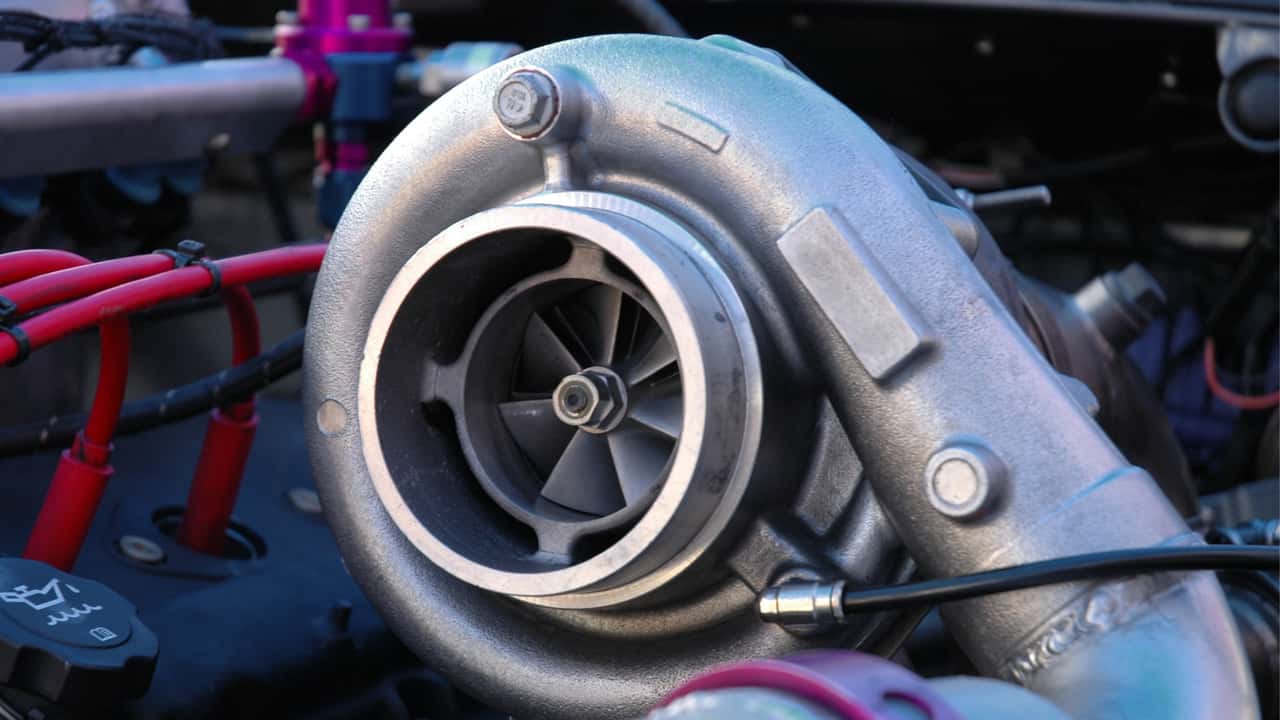

If you've ever looked at a performance car's specifications and wondered what “turbocharged” or “supercharged” actually means, the basic idea is surprisingly simple. Both are ways to force more air into an engine. More air allows the engine to burn more fuel, which can produce more power from the same basic engine size.
The big difference is how they get that air moving. A turbocharger uses exhaust gases to spin a turbine, while a supercharger is driven mechanically by the engine, usually by a belt. That one difference creates very different driving characteristics.
Motor101
Welcome to Motor101, our series dedicated to answering the internet's biggest automotive questions. From the origins of iconic designs to the engineering breakthroughs that shaped the world's greatest cars, we uncover the stories behind the vehicles you love.
How Do Turbochargers And Superchargers Work?
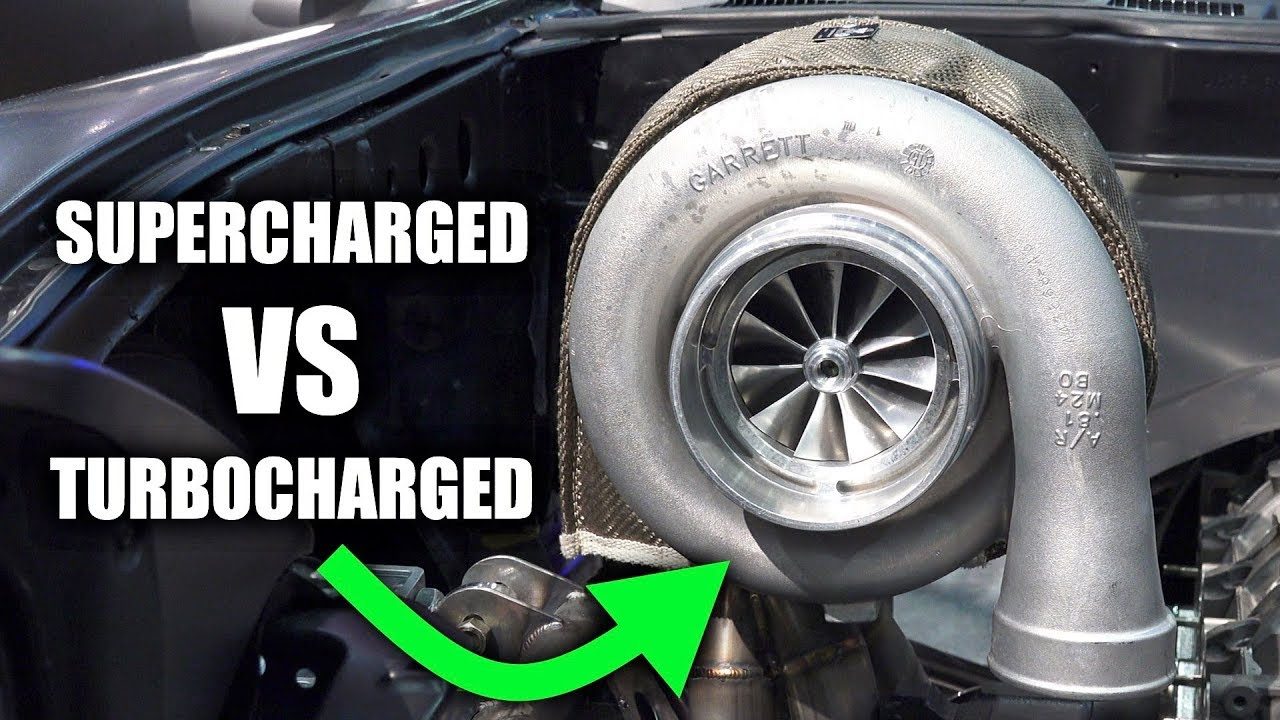
A turbocharger consists of one turbine (on the hot exhaust side) and one compressor (on the cold intake side) connected by a shaft. When you drive, the engine produces exhaust gases.
Instead of letting all that energy simply leave through the exhaust system, a turbo uses some of it to spin a turbine. That turbine is connected to a compressor on the intake side. As the compressor spins, it forces more air into the engine. The basic process is:
Exhaust gases → turbine → shaft → compressor → more air → more power
A supercharger accomplishes the same basic goal but gets its power directly from the engine. Most traditional superchargers are mechanically driven by a belt connected to the crankshaft. So its process is:
Engine crankshaft → belt → supercharger → more air → more power
That's the fundamental difference: a turbo uses exhaust energy, while a supercharger uses engine power.
Turbo Vs. Supercharger: How Do They Feel Different?
The different power sources affect how each system responds.
A turbo can take a moment to build boost, particularly at low engine speeds. That's where the term turbo lag comes from. The turbo has to accelerate its rotating components and build enough exhaust flow to produce significant boost.
Modern turbochargers have become much better at minimizing this delay through smaller turbines, variable geometry, electronic controls and sophisticated engine management.
A supercharger has a more direct relationship with engine speed because it's connected to the crankshaft. That can produce immediate throttle response and the strong, linear feeling enthusiasts often associate with supercharged engines.
Different supercharger designs can also behave differently. Roots and twin-screw systems can deliver substantial low-rpm boost, while centrifugal superchargers tend to build boost as engine speed rises.
Which One Makes More Power?
There's no universal winner. Both systems can produce enormous amounts of power when properly engineered.
A turbocharger often has an advantage in efficiency and flexibility because it recovers energy from the exhaust. A supercharger can deliver excellent response and predictable power, but the engine has to spend some of its own energy turning the compressor.
The engine's design, boost pressure, intercooling, fuel system and tuning can matter just as much as whether the car uses a turbo or supercharger.

Why Are Turbos So Common Now?
Walk into a new-car showroom and you're far more likely to find a turbocharged engine than a supercharged one. There's a good reason for that.
Turbocharging allows automakers to downsize engines while maintaining strong power and torque. A smaller turbocharged engine can potentially provide the performance of a larger naturally aspirated engine while improving efficiency under lighter loads.
That's particularly useful as manufacturers work to meet increasingly demanding fuel-economy and emissions requirements.
Turbocharging also gives automakers plenty of flexibility. The same basic engine architecture can potentially be tuned for different power outputs through changes to turbo hardware, boost levels and engine calibration.
What Are The Tradeoffs?
Neither system is perfect as both add complexity and have their own drawbacks.
Turbocharger downsides:
- Can introduce additional heat and complexity.
- May experience turbo lag.
- Requires exhaust-side plumbing and supporting hardware.
Supercharger downsides:
- Uses some engine power to drive the compressor.
- Can reduce efficiency compared with a turbo.
- Adds mechanical load and additional components.
Both systems also require supporting hardware, including appropriate cooling, fuel delivery and engine-management systems when boost levels become substantial.
Modern engineering has reduced many of these drawbacks, but forced induction still adds complexity compared with a naturally aspirated engine.
Drivers Still Debate Turbos Vs. Superchargers
Reddit's car communities have been debating the turbo-versus-supercharger question for years, and the arguments closely mirror the engineering tradeoffs.
In a popular r/cars discussion, one highly upvoted explanation pointed out that turbos can be more efficient because they use exhaust energy that would otherwise leave the engine, while a belt-driven supercharger takes some power directly from the engine.
But efficiency isn't everything. Another r/cars discussion highlighted why enthusiasts still like superchargers: the immediate response and more linear power delivery can make a supercharged engine feel more natural than a turbocharged one.
There's also plenty of disagreement over which setup is actually better. One Reddit discussion summed up the common enthusiast view: the answer depends heavily on the engine and what the owner wants from it.
That's probably the most accurate takeaway. Turbos tend to make more sense when efficiency and maximum power are priorities. Superchargers remain appealing when instant response, linear delivery and that distinctive whine matter more.
Which One Is Better?
It depends on what you want. If you prioritize efficiency, strong power potential and modern packaging, a turbocharger usually makes more sense.
If you want instant response and a direct connection between engine speed and boost, a supercharger brings some major advantages.
Neither system is inherently better, though. They're simply two different ways of solving the same problem: getting more air into an engine so it can make more power. A turbo doesn't magically create power, and neither does a supercharger. They simply help an engine breathe more air faster.
The real difference is where the energy comes from and how that changes the way the engine delivers its power.
More From Motor101
RECOMMENDED FOR YOU

What All Those Numbers And Letters On Your Tires Actually Mean
Woman Gets Goodyears. Then The Shop Tries To Take Them Back—And Replace Them With Cheaper Douglas Tires: ‘Go To Costco’
Why Every New Car Seems To Have A Giant Screen Now
Ford's Hypercar Finally Hits The Track, And It Sounds Amazing
Your Car Has a Hidden Mechanical Key. Here's Why It's There
Toyota's Plug-In Hybrid Sales Are Exploding
Why Does The Mercedes-Benz Logo Have Three Points?