These Car Wash Mistakes Could Seriously Damage Your Vehicle
That quick trip through the car wash could be leaving behind more than a shiny finish—here are the mistakes that can cost you.
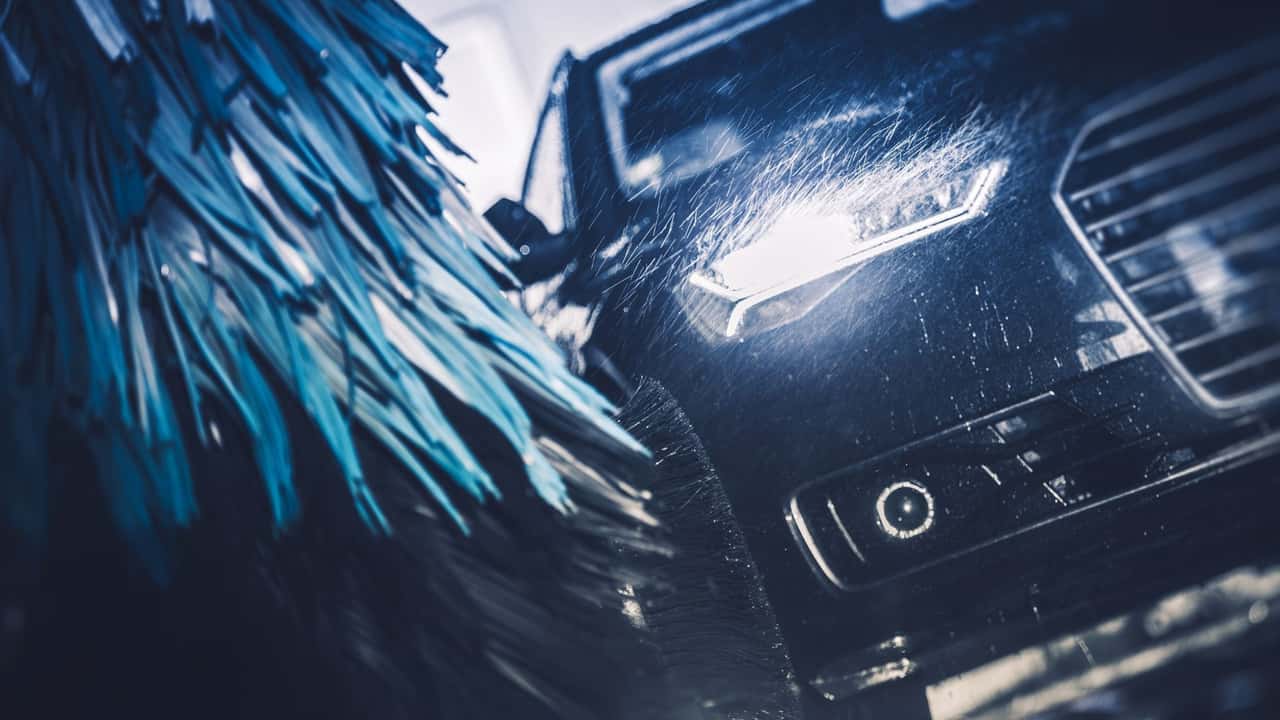

A trip through the car wash is supposed to make your vehicle cleaner—not leave it covered in scratches, damaged trim, or water spots. Yet one seemingly harmless choice can make a big difference: using the wrong type of car wash for your vehicle.
Automatic washes are convenient, but not every system is equally gentle. Some use rotating brushes or cloth strips that physically contact the paint, while touchless washes rely on chemicals and high-pressure water. Even pressure washing at home can cause damage if it's done incorrectly.
The Biggest Mistake? Assuming Every Car Wash Is Safe
The biggest mistake isn't necessarily using an automatic car wash—it's assuming all car washes are created equal.
Friction-based systems can drag dirt and debris across the paint, potentially creating fine scratches and swirl marks. Hyundai, for example, specifically warns owners of vehicles with matte paint not to use automatic washes with rotating brushes because they can damage the finish.
Touchless washes eliminate the physical brushes, but they aren't completely risk-free. They typically rely on stronger cleaning chemicals and high-pressure water to remove grime.
The safest choice depends on your vehicle's paint, accessories, and the recommendations in its owner's manual.
Why Those Brushes Can Be Trouble
The rotating equipment inside an automatic wash is designed to clean hundreds of vehicles, which means it can encounter plenty of dirt and road grime.
When that material gets caught in brushes or cleaning cloths, it can potentially be transferred to another vehicle's surface. Repeated exposure can contribute to the fine circular scratches commonly called swirl marks.
That's particularly noticeable on dark-colored cars, where imperfections tend to stand out.
Some manufacturers go further than simply recommending caution. Tesla, for example, recommends touchless automatic car washes for the Model 3 and warns owners to avoid directing high-pressure water at sensors, seals, and electronic components.

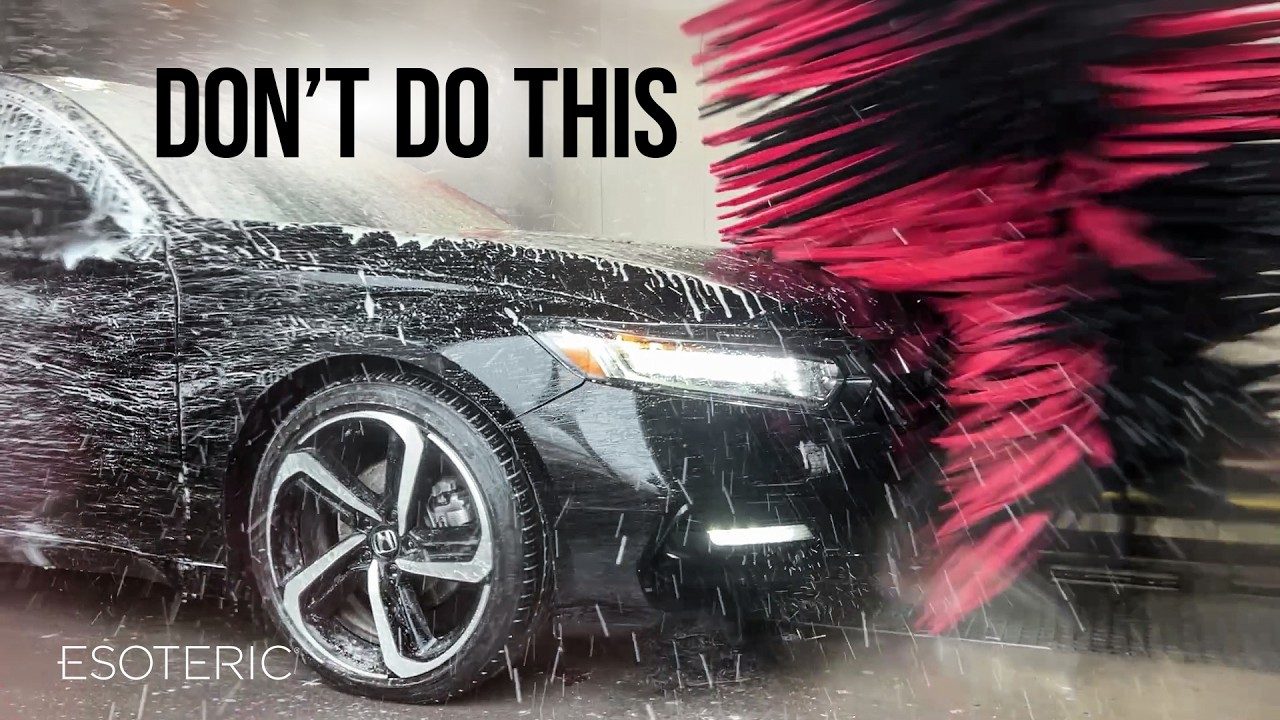
Pressure Washing Can Also Go Wrong
A pressure washer might seem like the ultimate car-cleaning tool, but more pressure isn't necessarily better. A powerful stream can remove stubborn dirt quickly, but it can also put unnecessary stress on paint, trim, seals, decals, and other vulnerable parts if it's used incorrectly.
The biggest mistake is getting the nozzle too close to the vehicle. A concentrated jet held just a few inches from the surface can damage paint, trim, seals, sensors, or other components. Popular Mechanics recommends keeping the nozzle at least 12 to 18 inches away and using a wide spray pattern rather than a concentrated stream.
It's also smart to avoid lingering over one spot. Keep the nozzle moving and work methodically around the vehicle instead of repeatedly blasting the same area.
Vehicle manufacturers can be even more specific. One current vehicle manual warns against pressure above 1,200 PSI, advises keeping the nozzle at least 12 inches away, and says not to aim the spray directly at items such as cameras, sensors, electrical components, seals, tires, or brakes.
Extra caution is also warranted around door seals, convertible tops, charging ports, engine-bay components, and aftermarket accessories. These areas aren't necessarily designed to withstand a concentrated blast of high-pressure water.
Don't Forget Your Antenna, Mirrors, And Wipers
The paint isn't the only thing that can suffer during a car wash. Protruding exterior components can get caught in brushes or other moving equipment.
That's why manufacturers commonly recommend folding mirrors when appropriate, removing accessories that aren't designed for the wash, and ensuring the windshield wipers are switched off.
Volvo, for example, advises drivers to secure or remove protruding exterior parts and keep the rain sensor and windshield wipers switched off before entering an automatic wash.
Roof racks, aftermarket antennas, bike racks, spoilers, decals, and other modifications can also change whether a particular wash is suitable for your vehicle.
How To Wash Your Car Without Creating Problems
There's no single perfect method for every vehicle, but a few precautions can dramatically reduce the risk of damage:
- Check the owner's manual: Manufacturers sometimes specify which types of washes are acceptable.
- Consider touchless: If you're concerned about paint scratches, a touchless wash avoids brushes and other equipment contacting the body.
- Don't blast the paint up close: Keep pressure-washer nozzles at a safe distance and use an appropriate spray pattern.
- Protect vulnerable parts: Avoid directly spraying sensors, cameras, seals, electrical components, and other sensitive areas.
- Turn off the wipers: Automatic wipers can activate unexpectedly during a wash.
- Remove or secure accessories: Roof racks, antennas, bike racks, and other protruding equipment can create problems.
- Rinse off road salt: Pay attention to the underside, wheel wells, and brakes, particularly after winter driving.
Ultimately, the mistake isn't simply taking your car through a car wash. It's choosing a wash without considering how its equipment and cleaning methods interact with your particular vehicle.
For a daily driver, an occasional automatic wash may be a perfectly reasonable compromise. But if maintaining a pristine paint finish is a priority—or your car has matte paint, aftermarket accessories, delicate trim, or special coatings—taking a few extra minutes to choose the right washing method could save you from an expensive repair or paint correction later.
What Drivers Think About Automatic Car Washes
Reddit's detailing communities are fairly skeptical of automatic washes that physically contact the paint. A 2026 r/AutoDetailing post showing scratches after two years of using an automatic wash received more than 200 upvotes, with commenters discussing how dirt trapped in brushes or cloth can contribute to paint damage.
A recent r/Ioniq5 discussion had a similar reaction after an owner noticed scratches following repeated automatic washes. Several commenters recommended switching to touchless, while others pointed out that touchless systems aren't perfect either because they rely on stronger cleaning chemicals.
The debate isn't entirely one-sided. Some Reddit users say modern automatic washes are gentler than older systems, while others argue that hand washing remains the best option if preserving the paint is the priority. A 2026 r/car_bike_detailers discussion also highlighted the trade-off: touchless washes avoid physical contact but may use aggressive chemicals to compensate.
The Reddit takeaway is pretty simple: if you care about keeping your paint looking pristine, avoid unnecessary contact with dirty brushes and wash media. Touchless is generally considered a safer convenience option, while careful hand washing remains the preferred approach among detailing enthusiasts.
More From Motor101
RECOMMENDED FOR YOU

2027 Hyundai Tucson Revealed With Massive Design Changes
Feds Expand Investigation Into GM's Troublesome V8 Engines
Your Car Has a Hidden Mechanical Key. Here's Why It's There
I Took Porsche's Manthey Taycan To The Nürburgring. It's A Different Animal: Driven
What Actually Happens If You Shift Into Neutral While Driving?
How Bugatti Turned The Bolide Into A Work Of Art: 'We're Aiming For The Ultimate Elegance'
The Driving Habit That Slowly Damages Your Transmission