Used Car Salesman Reveals A Wild Trade Secret. Then He Says It’s All About Buying Your Ugly Car: ‘How We Make Money’
'You're gonna end up getting a better deal.'
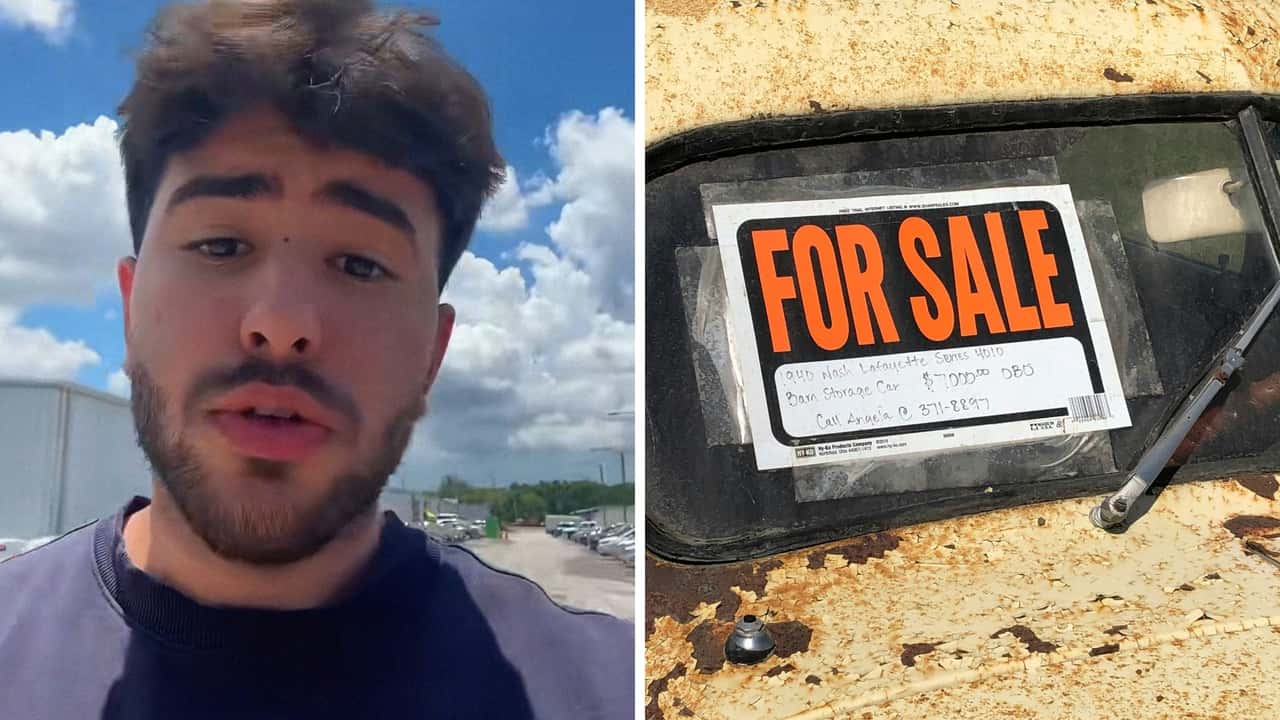

At a dealer auction, the prettiest cars are usually the first to draw a crowd, which makes them the hardest to make money on. A recent TikTok clip reveals that, since everybody wants the clean, shiny, nearly retail-ready vehicle, auction prices climb quickly and eat up all the potential profit margin.
The clip from GAA Auto (@gaaauto) in Largo, Florida, explains that the real opportunity at any auction is sitting a few rows over, where you can find the cars looking rough enough to scare people away.
“The only way we really make money in this business is through buying ugly vehicles,” said the salesman in the clip, which has been viewed more than 600 times. “We buy them, we clean them up, we service them—make sure they're ready for retail. But that first key point of buying them when they're ugly is the most important part.”
‘Ugly’ Cars Carry Profit
A customer walking a lot may see an ugly car and think about stains, scratches, neglected maintenance, or a previous owner who stopped caring. But a dealer looking at the same vehicle is trying to separate what looks bad but is solvable from what actually can’t be cleaned up and replaced.
Dirty seats and faded paint can all push other bidders away without necessarily making the car a bad buy. The salesman said the opposite is true when a vehicle already looks close to new.
“Harsh reality is that if we buy a vehicle that's basically brand new on the auction, we're gonna make zero money out of it,” he said. “Competition is fierce.”
That is the part of the business that most customers never see, much less think about. By the time a vehicle is cleaned, photographed, listed online, and presented for sale, it’s been transformed from the ugly duckling to something closer to the belle of the ball.
Doing the right amount of cleaning and fix-ups is crucial for the bottom line. The dealer will decide at the auction whether the purchase price, repair cost, service work, and expected retail price leave enough room to make the gamble worthwhile.
In the clip, the salesman explains that the dealership buys vehicles that come in looking rough, puts money and labor into them, and then sells them once they are ready for a retail customer.
“Sometimes when we buy vehicles, they come in looking like this,” he said while looking at a car with a tarp in place of a window. By the time the work is finished, he said, the vehicle is going to look like “a whole new different beast.”
He also emphasized that the cars are still clean-title vehicles and said they are “fully serviced,” which is the reassurance used-car buyers are usually listening for.
That distinction is also where the comments section started pushing back.
Some viewers understood the strategy immediately. “This is so true, biggest profit margin,” one commenter wrote.
Another saw the darker version of the same business model, imagining a buyer coming back a month later with a blown motor because someone had dumped stop-leak into the car before it ever reached the lot.
GAA Auto’s account pushed back on that criticism, arguing that private-party buying carries its own risks.
“Isn’t that the same thing with Facebook marketplace cars though?” the creator replied. “You don’t know what those cars have been through, difference is that we have a reputation to uphold this we wouldn’t sell a vehicle unless we know it’s fully serviced and ready to be driven out.”
That exchange gets to the uncomfortable center of the used-car market. The dealer is describing a legitimate business strategy: find cars that other bidders undervalue because they look bad, then clean, repair, service, and retail them. The skeptical shopper is describing the nightmare version: a car that looks better than it is because the visible problems were handled while deeper ones were ignored.
Where’s The Money?
Used vehicle industry data help explain why a dealer would rather buy something overlooked than chase the cleanest car at auction.
Cox Automotive’s Manheim Used Vehicle Value Index, a widely watched measure of wholesale used-car prices, was up 2.6% year over year in mid-June, with wholesale values rising again from May. Earlier in 2026, Cox reported that the index had reached its highest point since the summer of 2023, a sign that dealers were still competing hard for inventory.
Haig Partners, which tracks public dealership groups, reported that the average publicly owned dealership made about $1,668 in front-end gross profit per used vehicle retailed in the second quarter of 2025. That figure was up slightly from the prior quarter and shows why dealers have to make strategic buys at auction.
The “ugly car” strategy only works if the ugly is fixable and the potential profit survives the cleanup costs. Minor issues—things like a cracked windshield, dirty interior, missing trim, worn tires, or neglected paint—may be worth taking on at a reasonable auction price. That strategy collapses if the vehicle needs major engine, transmission, electrical, or other costly work that was not obvious at purchase.
Federal rules require dealers to display a buyer's guide on used vehicles, including whether the car is being sold with a warranty or “as is.” The FTC also tells buyers to ask for warranty documents and understand what is covered, excluded, and who pays for repairs.
Motor1 reached out to the dealership via phone and direct message. We’ll update this if they respond.
RECOMMENDED FOR YOU

Man Finally Finds Mercedes G-Wagon Dealer Who Doesn't Do Mark Ups. Then He Realizes There's A Catch: '$60,000 Mark Up!'
Ford's CEO Still Isn't Satisfied With Brand Quality
2 Women Go To Kia Dealership To Buy 2 Cars. Then They Ask For $10K Off. Are There Group Rates?
Audi’s New Models Are Carrying It Through 2026
Longtime Customer Goes To AutoZone. Then A Worker Makes Him Walk Out And Go To O'Reilly: 'Please Wait For Cashier'
The Maserati Project GT4 Is The Race Car You Didn’t Expect
‘Carvana. Kelley Blue Book. CarMax’: Man Trades Car In. Then The Salesman Shares A Little Known Hack For Getting More Money For It