Woman Opens Her Toyota's Car Door. Then She Pulls The Plug At The Bottom Of The Door Panel: 'We Leave Them Out'
'I recommend leaving them in.'
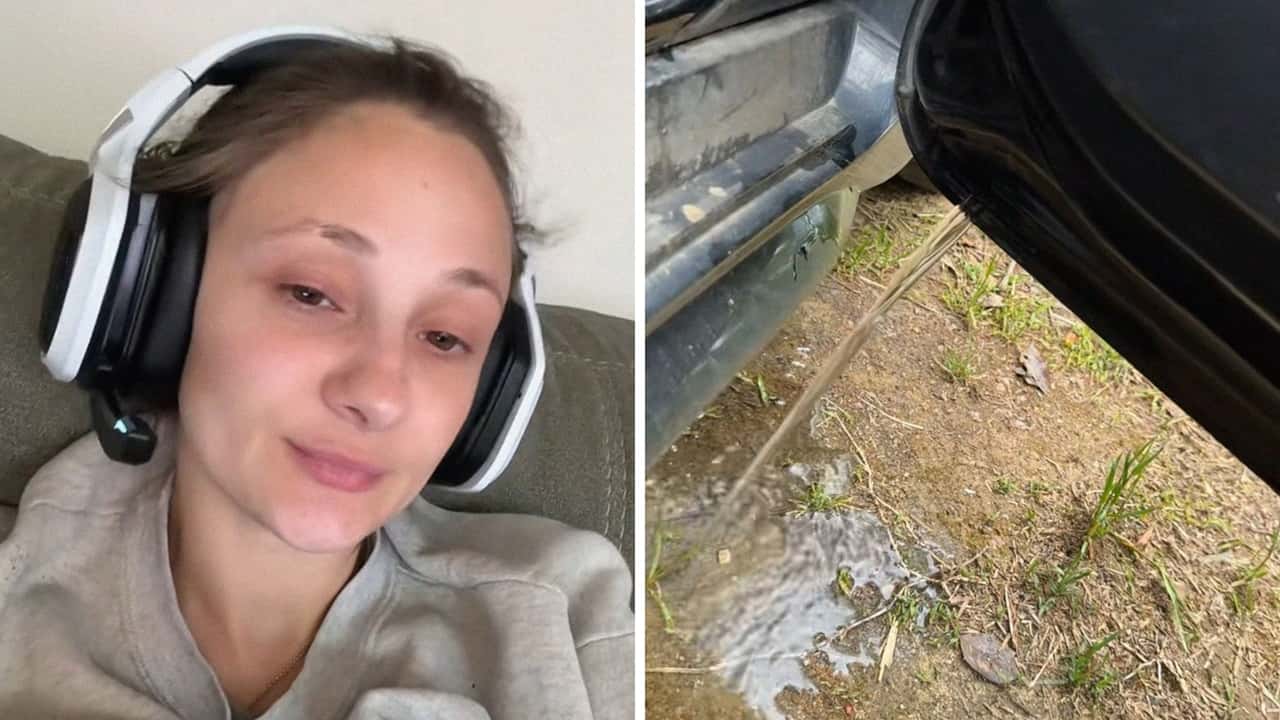

A South Carolina TikToker opened the driver’s door of her 2020 Toyota Corolla, pulled the rubber plug at the bottom of the door panel, and watched what she said sounded like a gallon of milk slosh out onto her driveway. The 30-second clip has drawn more than 1.2 million views, and a long thread of car owners who said the same thing has been happening inside their own doors—and not just with Toyotas.
Sami Ray Keown (@s.keown23), a South Carolina mom whose channel covers assorted incidents and thoughts from her life at home, posted the clip on May 2. “Need to know if anybody else with the Toyota Corolla has experienced this,” she narrates in the video. “There are plugs down here, and if it rains heavily, you have to take the plug out and drain the door. Look at all that water.”
Why There’s Water Inside Your Door
Car doors are not, and never have been, watertight. The window has to be able to move up and down, which means the rubber seals along the top of the door cannot fully seal against the glass without burning out the window motor. Some water gets past the seal every time it rains hard or every time the car goes through a wash. The bottom of the door panel collects it.
Manufacturers solve the problem by drilling holes in the bottom of each door for the water to escape. As Cars.com explains, "Water can get past window seals and inside the doors when it rains or when you wash your car, and the water is supposed to exit through drain holes at the bottom.” When those holes clog with road dirt, gravel, or leaves, water accumulates inside the door, and the steel rusts from the inside out.
The plugs are not designed to keep water in. They sit in the drainage holes to let water trickle out under its own weight while keeping road dirt and bugs from being kicked up into the door cavity from below. Over time, debris that fell in from above can settle around them and block the drainage path, or the rubber can harden with age and stop letting water through. That’s when water starts to collect, sometimes by the gallon.
Not Just Corollas
The comment thread under Sami’s video offers a roll-call of other vehicles with the same setup. Commenters wrote that they have had the same experience with other cars, including the RAV4, Camry, Corolla Cross, Lincoln, Jeep Cherokee, Chevy Tahoe, and Ford F-250. Owners all reported finding water in their doors when they checked.
“It happens on every single car,” wrote Tyler. “That’s why there’s holes there.” A commenter named Prince Guppy put it more flatly: “It’s a car thing not a Corolla thing.”
Motor Biscuit’s explainer on the feature backs that out: Drain holes are a standard automotive design choice, though some manufacturers cut more of them, in better positions, than others.
Should You Just Leave The Plugs Out?
Several commenters who identified as technicians or experienced owners argued that the plug should come out and stay out, especially in rainy regions. Godlyheart wrote: “As a technician, you can leave the plugs out. The water will run out instead of collecting in the door.” Nisha, also pulling all of hers, said she got tired of the periodic emptying ritual.
Austin Jackson disagreed at length, repeatedly, in several reply threads. “You should be periodically removing them and flushing debris from the cavity,” he wrote. “Removing them permanently will result in a collection of large debris that will hold moisture and most likely eventually hinder any drainage gained by removing the plug. They prevent large debris like leaves from entering.”
A third position, from a commenter named Stephanie, split the difference by region. “In places like the PNW, we leave them out because it rains so much. But I’d recommend leaving them in if you live on a gravel road, farm etc because it’s so muddy that it can get clogged.”
The Underlying Reason This Happens
A handful of commenters who had been around the issue longer pointed at the cause upstream of the drain plug. The door is collecting water because the window seal has worn down enough to let more water past than the design assumes. Sami acknowledged that her husband, who works on cars, had explained it the same way: “This happens when the rubber seal at the top starts to get weak, but the plugs are meant for this exact reason.”
A commenter who had replaced the seals wrote that the repair “wasn’t cheap” but solved it. For most owners, the simpler answer is the one Sami demonstrated: open the door, pop the plug, drain whatever has accumulated, and put the plug back.
The Cars.com guide recommends checking the drain holes at least annually for any car and more frequently if the vehicle lives in a wet climate or on dirt roads. A wire coat hanger or a screwdriver run through the hole is enough to clear most blockages.
Motor1 reached out to Sami Ray Keown via TikTok direct message for additional comment. We’ll be sure to update this if she responds.
RECOMMENDED FOR YOU

Only 2,500 Made: Toyota’s 60th-Anniversary Corolla Is A Hybrid
Man Shops For Ford Mustang At CarMax. Then He Sees What They Want For It: ‘These Prices Have Gotten Outrageous’
Man Hits Woman’s Car By Chick-fil-A, Offers Insurance Info, Leaves Before Police Arrive. Then The Victim Pulls An UNO Reverse
Chrysler Dealership Gives Florida Woman 'Brand-New' Goodyears. Then She Inspects Them
The Toyota Corolla GRMN Costs Supra Money
Europe's Sports Car Market Is Shrinking. But The Porsche 911 Is Still Winning
Toyota Prius Hits Car In the Parking Lot. Turns Out It Was A Tesla. Now He’s Waiting For Her: ‘Hey…’