Expert Says You Need To Warm Up Your Car Before Driving This Winter. Others Say No: 'But I’m Late To Work'
"10 whole United States minutes?"
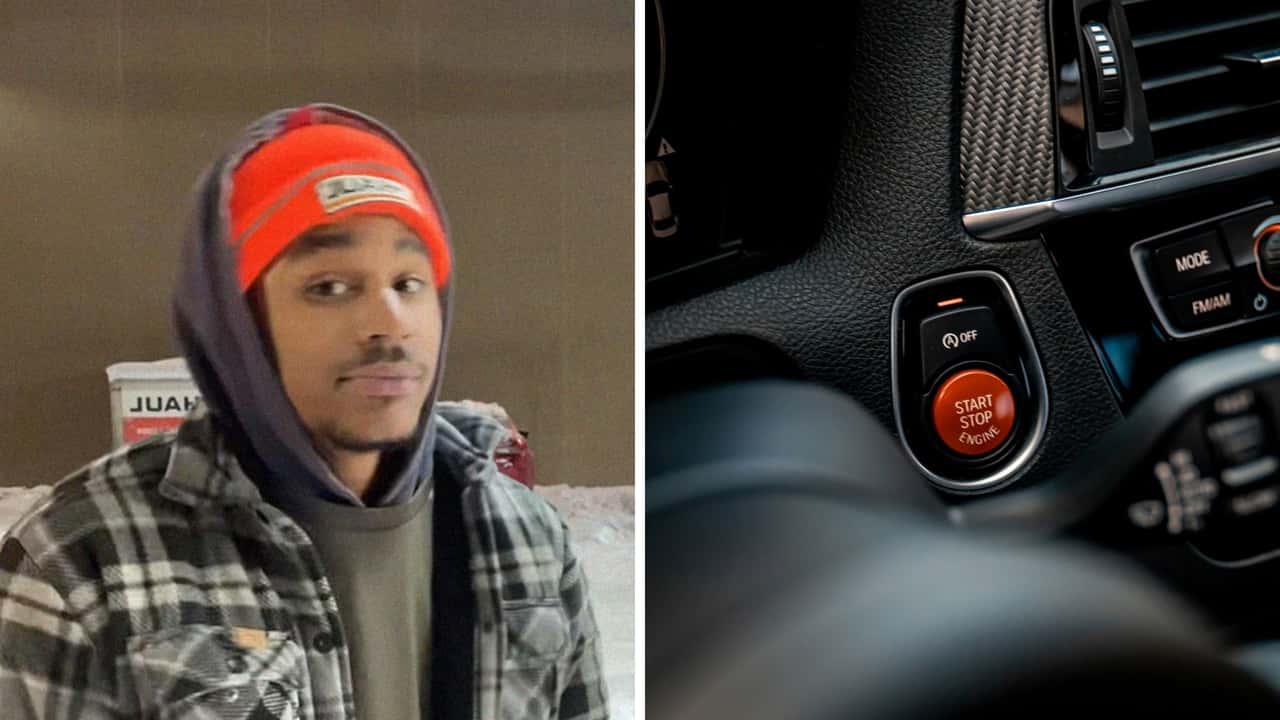

Winter is coming, and one man has a message for anyone who drives in cold weather. But is his advice sound?
People are torn.
Some automotive experts say his well-intentioned advice might be stuck in the 1990s, and others think the tip is just too time-consuming. They’d rather risk car trouble than have to get up any earlier in the winter.
In a TikTok with more than 661,000 views, content creator Del (@gymwork21) shares what he thought was crucial car advice.
"One more thing for y'all. I know y'all are just girls," he says, specifically referring to the ladies in his audience (though the advice applies to anyone). “Give y'all a little advice before y'all [mess] y'all cars up this winter."
"Let that [car] run for at least 10, 15 minutes before you leave, gangster, or that starter in the alternator is gonna go the [expletive] out on my mama."
While this is common knowledge for some people, the advice might be outdated depending on how old your car is.
What Do Experts Say About Warming Up Your Engine?
Del's advice is old-school, as modern cars work differently.
According to AAA, modern engines only need about 30 seconds of warm-up time. That's roughly how long it takes to buckle your seatbelt and adjust your mirrors. Within that brief period, the oil pump circulates oil to all critical engine components.
Older cars built before the mid-1990s used carburetors, which mechanically mixed air and fuel and required several minutes to reach proper operating temperature. Without adequate warm-up, carbureted engines could stall out or run poorly.
But modern vehicles use fuel injection systems with sensors that automatically adjust the air-fuel mixture based on temperature and conditions, J.D. Power explains. These systems don't require extended idling to function correctly.
Modern engines are fully lubricated within 20 to 30 seconds of starting.
In fact, the fastest way to warm up an engine is to drive it. AutoZone notes that everyday driving heats the engine more efficiently than idling, so your car reaches optimal operating temperature faster on the road.
There are some exceptions where slightly longer idling might be appropriate, however.
In extremely cold weather (well below zero) AAA suggests allowing two or three minutes of idling for older vehicles to ensure proper lubrication reaches all engine components.
If you need to scrape ice or snow off your windows, letting the car run while you do so makes sense. The defroster will help clear the windshield while you work on the exterior, improving visibility and safety.
Based on the comments, people don’t seem overly inclined to follow Del’s advice.
“10 whole United States minutes?" said one.
“It has until I pick my Spotify playlist," another joked.
“10 mins!!!!!!!!! I’m already late AND gas $83,883 a gallon," a third jested.
“But I’m late to workkk," added a fourth.
Motor1 reached out to Del via TikTok direct message and comment. We'll be sure to update this if he responds.
RECOMMENDED FOR YOU

Woman Flirts With Man At A Family Dollar. Then She Makes A Comment About His Toyota: ‘Don’t Ignore That Red Flag’
This Tiny Hatchback Is The Best-Selling Car In China. But How?
2 Men Try To Buy The Same GMC Truck On The Same Tuesday. Then The Salesman Steps In—And Makes A Controversial Decision
Woman’s Neighbor Keeps Parking In Her Reserved Spot. Finally She Decides She’s Had Enough: 'She Called Your Bluff!'
Man's Ford Screen Asks To Update—It Includes Video Streaming Karaoke. There’s Just One Problem: 'Don't Update'
Woman Loses Key Fob To $15,000 Mercedes G Wagon. Then She Finds Out The Replacement Cost: ‘I Wish Somebody Would’ve Warned Me’
Woman Gets Pulled Over By Cop—He Tickets Her For Something She Didn't Do: 'The Dealership Literally Puts Those On'