'Makes the Bump Smoother:' Camaro Driver Drives Over A Speed Bump. Is There a Right and Wrong Way?
"I’ve even started doing this in my jeep now i can’t break the habit."
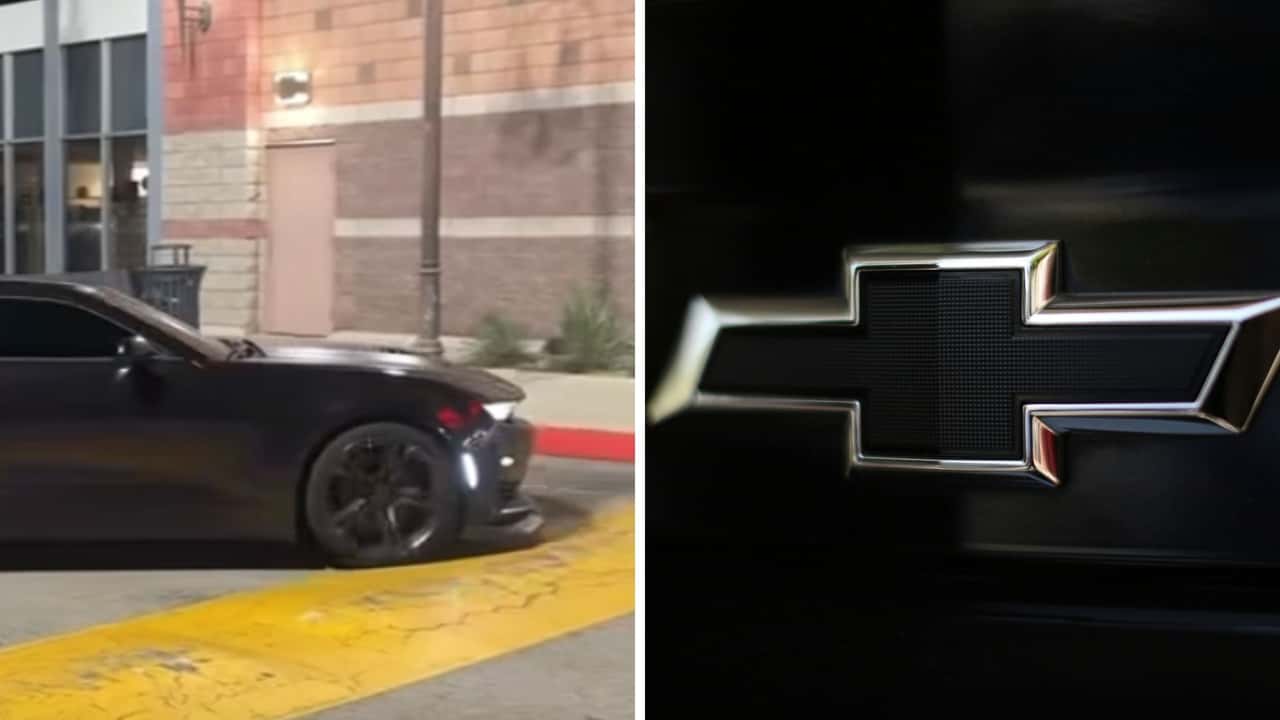

A Camaro driver is the star of a viral video comparing how normal people go over speed bumps versus car enthusiasts.
In a Facebook post that’s generated over 1.9 million views as of this writing, J.R. Builds (@j.rbuilds) demonstrates the difference in approach between normal people and car people.
To begin, J.R. shows how normal people drive over a speed bump. He says normal people will drive over the speed bump slowly and straight on. This is simple and effective for the car he is driving.
J.R. then demonstrates how car people go over speed bumps, and it’s noticeably different. The same slow approach is used, but the angle is entirely different.
The Camaro driver will start the process by swaying into the other lane, then cutting back to approach the speedbump at a diagonal angle. The driver will then take a diagonal path up the speed bump. Once both front wheels get over the speed bump, the driver will straighten out the car and drive away.
This diagonal approach toward the speed bump allows the car to avoid being scraped on the bottom.
J.R. captions this video as “Overkill,” acknowledging the theatrics of this move.
“It makes me chuckle when I see ‘car guys’ do it in cars that definitely have plenty of clearance,” one TikTok commenter added.
Is There a Right and Wrong Way to Go Over a Speed Bump?
There are three approaches when going over a speed bump.
The first way is to slow down and drive directly over the speed bump. The second approach is the diagonal approach, where each wheel individually travels over the bump. The third way is to power through without slowing down to get over it.
A suspension engineer from The Autopian claims the first approach of slow and steady is the best way to go over a speed bump. This approach keeps the suspension mostly in place because it has more time to accommodate the speed bump. By having both wheels go over the bump simultaneously, the suspension and body aren’t forced to twist quickly.
The twist of the second approach is where mechanics agree that this can cause more stress on the car.
“Driving diagonally puts more stress on the chassis as it tries to twist first one corner then [the] next. The car will not move up and down so much, but will move sideways a lot more. The least stress on the car comes from driving straight,” per Mechanics StackExchange.
According to Autopian, the third approach of driving fast over the speed bump is awful for the suspension. With the fast approach, the suspension has less time to get out of the way of the speed bump. This leads to a great deal of stress on the suspension and quickly decreases the quality of those parts, especially the dampers. While you may not feel the bump going fast, the suspension certainly does.
Mechanics agree that the first approach of slow and driving straight is the best approach for going over a speed bump.
However, what about when your car has a low clearance bottom and scraping occurs each time?
Why Scraping the Bottom of Your Car Is Bad
In addition to the unpleasant sound scraping the bottom of your car makes, there is potential damage being done each time.
AutoDeal reports that corrosion, minor body damage, front-end alignment, suspension damage, drive shaft damage, fluid leak, and weakened underbody protection panels and plates can all be impacted when the car gets scraped underneath.
While scraping isn’t detrimental at first, repeated occurrences can lead to future trips to the mechanic.
To avoid this damage, it’s best to drive over speed bumps at an angle when you have a low clearance.
Driving Over a Speed Bump Without Scraping
Robert Pepper from L2SFBC shares how to properly go over a speed bump without scraping the bottom of the car:
- Go as slow as possible to avoid suspension compression.
- Drive over the speed bump at a 45-degree angle to shorten the wheelbase, ideally in line with the top of the speed bump.
- Turn straight when the last front tire is on the road.
This technique won’t work perfectly every time, but this will reduce scraping. Preventing scraping from occurring will help prevent any extra trips to the mechanic.
In conclusion, the slow direct approach is best to use to preserve the longevity of the vehicle, while the next best option is the diagonal approach to avoid scraping if your car has low clearance.
Motor1 has contacted J.R. Builds via Facebook direct message. This story will be updated if he replies.
Now Trending

RECOMMENDED FOR YOU

Toyota 4Runner Driver Doesn't Want To Pay $20 Subscription To Start Car. Then She Discovers Key Fob Trick: 'The Things You Learn'
Polestar Won't Fight US Ban, Effectively Ending Its American Future
Man Goes To Mercedes Dealership With Navy Federal Check And $10,000. Then He Goes To Carvana: ‘They Wanted A Copy Of My Degree’
The New Maybach GLS Shows Its Face For The First Time
Volkswagen Driver Says She Puts Diesel In At The Pump—And The Men Around Her Always Say The Same Thing: ‘Men Come Running'
What Every Nissan Brake Caliper Color Means
Woman Flirts With Man At A Family Dollar. Then She Makes A Comment About His Toyota: ‘Don’t Ignore That Red Flag’