Stellantis: 2025 target is to sell more electric cars at competitive prices
Here is what Imparato, now Chief Operating Officer for Europe, had to say at the Brussels show


Losing money 'is not an option for Stellantis'. Jean-Philippe Imparato, now Chief Operating Officer for Europe, made this clear to journalists at the Brussels show. In 2024, the price war for electric cars was closely monitored by the group, which saw it escalate in Germany in particular.
Among the reasons for this intense commercial competition is the obligation to comply with CO2 regulations, and Stellantis has adopted a price repositioning strategy that, in order to balance the margin, involves reducing the price of electric vehicles (BEVs) and increasing the list price of internal combustion vehicles (ICEs).
The goal for 2025 is a competitive positioning of BEVs, while maintaining a minimum margin threshold to avoid losses.
With regard to joining forces with Toyota, Ford and Tesla to form an anti-CO2 pool to avoid EU sanctions Imparato said the deal was conducted to avoid having to cut ICE production and to support the transition to BEVs without compromising financial sustainability.
The challenges and goals of 2025
Imparato's sales policy for 2025 has one goal above all: to motivate dealers to push BEV sales, without monthly penalties. To incentivise sales of electric vehicles, there will be quarterly bonuses, based on sales targets for investors, countries and regions.
One of his main tasks for this year will be to strengthen the relationship with customers and the dealer network. The manager also said he was ready to protect the network and also the company's staff, consolidating the trust with workers through sustainable factory management.

Melfi, one of the Italian plants of Stellantis
Leapmotor T03
Another major challenge in the new year is the Chinese offensive, in all segments and in various European countries. However, thanks to Leapmotor Stellantis has an important card to play and can offer competitive vehicles at lower prices than its competitors.
Many brands, many identities
Created from the merger between the Fiat Chrysler Automobiles and PSA groups, Stellantis, as we know, controls fourteen automotive brands: Abarth, Alfa Romeo, Chrysler, Citroen, Dodge, DS Automobiles, FIAT, Jeep, Lancia, Maserati, Opel, Peugeot, Ram Trucks and Vauxhall. Former CEO Carlos Tavares had first promised that the newly founded Group would invest in all brands for ten years, then last autumn said that the struggling brands would only have two to three years to save themselves.
What is Imparato's opinion? Thanks to the shared platforms (STLA Large, STLA Medium, STLA Small, STLA Frame) the management of the various brands is simpler, according to him.

The maintenance cost is lower and the objective is to maintain a clear and distinctive positioning for each brand, avoiding overlaps. Citroën, for example, will focus on affordable cars, while DS will maintain a premium position.
More from Stellantis:
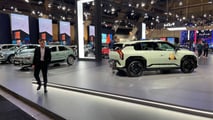
Gallery: Brussels Motor Show 2025




RECOMMENDED FOR YOU
Who Owns Who? Every Major Car Brand And Its Parent Company
Woman Tells Trader Joe’s Worker Her Car Is Making A Sound. She Can’t Believe How The Cashier Responds: ‘You Both Panicked’
Dealer Says Polestar Engineered US Sales Ban In $25-Million Lawsuit
You're Probably Not Using All Of Your Car's Key Fob Features
Prius Architect Hiroshi Okuda Dies At 93, Reshaped Toyota
Woman Gets Goodyears. Then The Shop Tries To Take Them Back—And Replace Them With Cheaper Douglas Tires: ‘Go To Costco’
Ford To End China-Built Lincolns For US By 2030