Cold is less and less a problem for the electric car
The cold resistance of batteries is growing, as tests on the Nissan Ariya show. But there is a 'but'
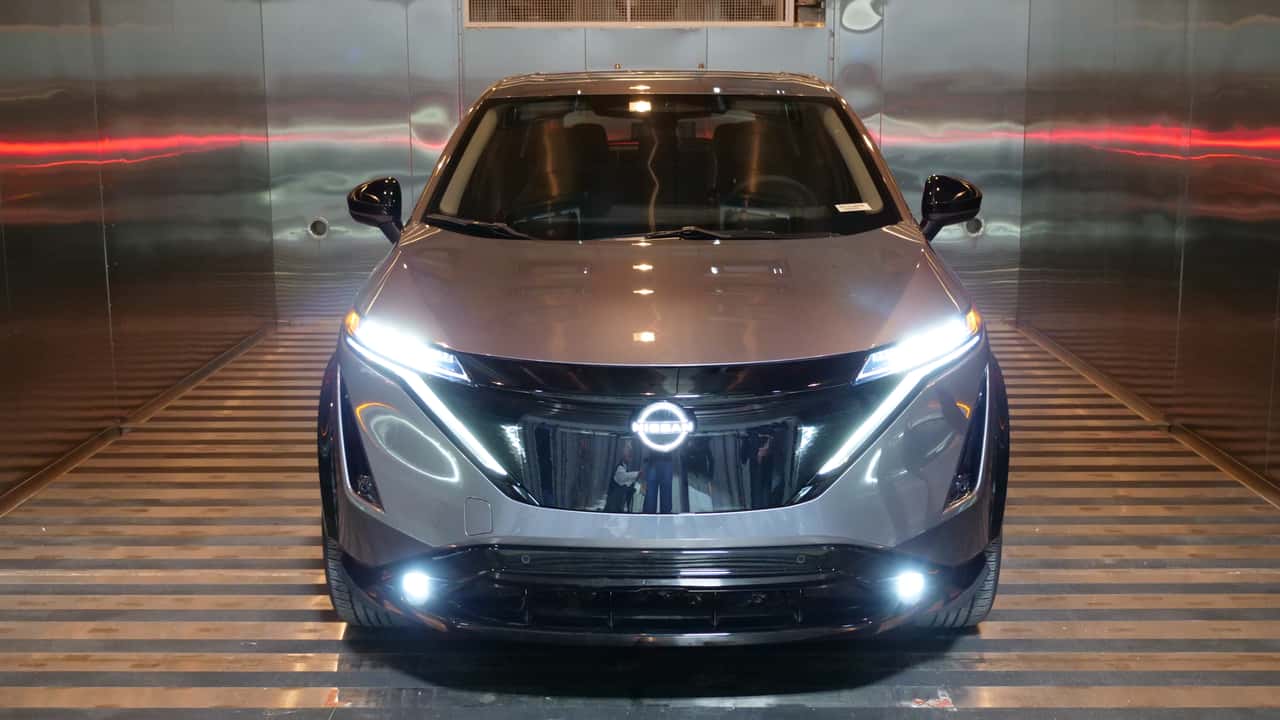

Ever since electric mobility began to take off, cold has been cited as one of the main enemies of vehicle and battery efficiency. Indeed, low temperatures can affect the energy reserves and even the proper functioning of vehicles (not only electric cars), especially if they are left outside for long periods during the cold season.
But is this still the case? According to manufacturers, cold weather is becoming less and less of a problem as batteries, energy management systems, recharging and even the methods used to test cars continue to evolve. So much so that some would argue that the problem of cold is basically over.
Ariya, no problem at -20°C
Recently, Nissan released a statement detailing the results of extensive low temperature exposure tests conducted at its Detroit Test Centre. Here, in a special thermal chamber, ambient temperatures between 176 and -40 degrees Fahrenheit, equivalent to a range of 80°/-40° on 'our' Celsius scale, can be achieved.
All new vehicles, and electric vehicles in particular, undergo this test to check the resistance of the electrical components to heat and cold, and to refine the thermal management and pre-heating modes, which also optimise the charging phase.

Nissan Ariya, in test at -20°C
Nissan Ariya, in test at -20°C
Nissan Ariya, in test at -20°C
In the case of the Ariya, the brand's latest and first of a new family of electrics, the tests would confirm increasing resistance to exposure to cold: a model left for a whole night in the chamber at -4°F, equal to -20°C, with a 17% state of charge and without activating battery protection functions, would be found the next day with its energy reserve intact and started up without problems.
In the case of the Ariya, the brand's latest model and the first in a new family of electric vehicles, tests confirm an increasing resistance to the cold: a model left in a chamber at -4°F or -20°C for an entire night, with a 17% state of charge and no battery protection functions activated, would be found the next day with its energy reserve intact and would start without any problems.
Nissan Ariya, in test at -20°C
Crisis over? Not yet
Can we say that the cold is less and less of an obstacle? In part, but not entirely. Tests carried out regularly by the Norwegian Automobile Association (NAF) confirm that low temperatures are indeed a handicap for many models: the latest test, carried out in 2023 on more than 30 new and used models, confirmed that cold weather can still lead to a reduction in effective range of between 10% and more than 30%.
Winter EV range test with 20 cars reveals the best electric vehicles for cold weather in 2020
The test cited by Nissan, the results of which, according to the little information provided in the press release, seems to refer to an exposure of only a few hours and, most notably, at a constant and controlled temperature and humidity, conditions that only partially reflect those of a natural environment, where both parameters can also vary rapidly and unexpectedly.
In the case of prolonged exposure or daily use in a harsh climate where the energy expenditure required to keep occupants comfortable is high, conditions can obviously change, as demonstrated by the Norwegian test in which, it must be acknowledged, neither the Ariya nor any other Nissan model was included.
Electric cars in the cold, news and golden rules:
RECOMMENDED FOR YOU
The Best New Cars Coming Out In 2027
Man Pulls Up To Speedway Gas Station. What He Sees Next Stops Him In His Tracks: ‘I’ve Always Been Told…’
The 2027 Nissan Z Is More Expensive, But It Gets One Smart Upgrade
CarMax Vs Carvana: Which Used-Car Giant Has The Better Return Policy?
Woman Buys Nissan. Then Her CARFAX Changes After Purchase. They Missed Something Major
Man Never Removes Apple CarPlay Screen's Plastic Film Cover. Then It Costs Him Thousands Of Dollars
Woman Gets Breakup Text On Her CarPlay. Then Her Nissan Texts Back Something Unhinged: ‘Can Someone Help Me Sue Nissan?’