Recovering valuable materials from electronic waste
In the United States, researchers at Cornell University have developed a method to recover gold and reuse it
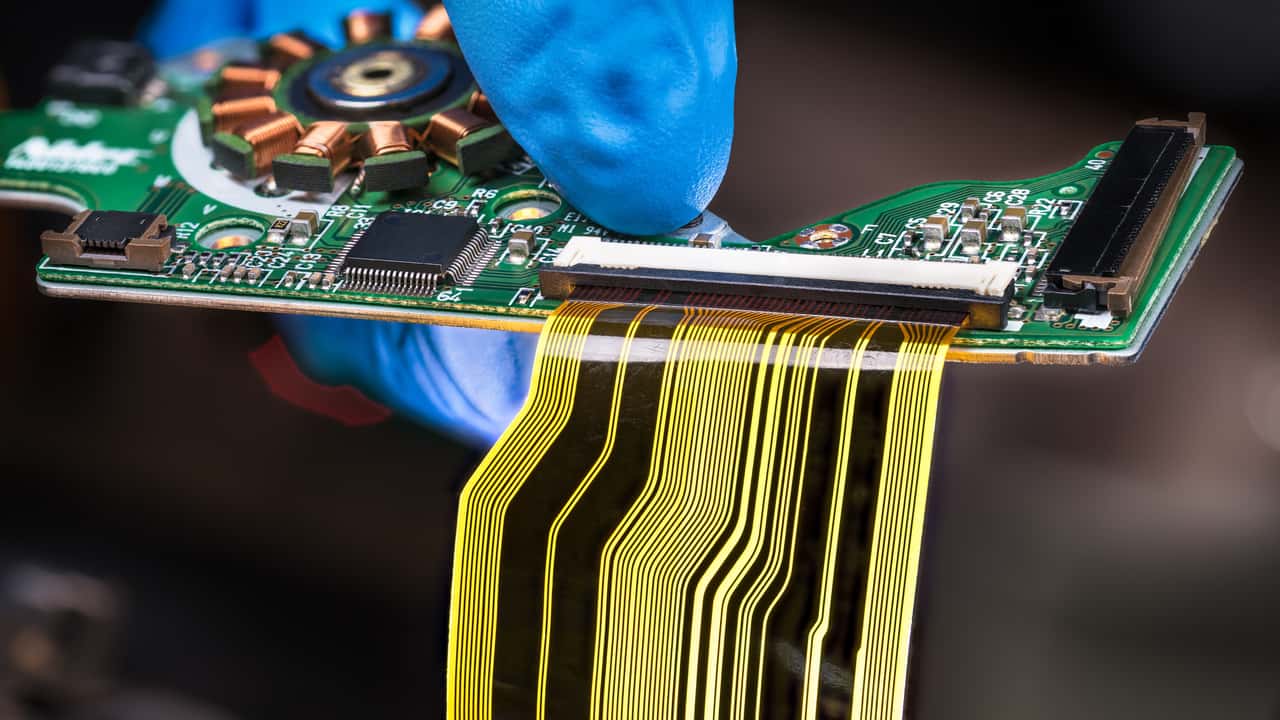

Electronic waste is everywhere. It is a growing environmental problem, but it is also a resource. In the United States, researchers at Cornell University have developed a method to recover gold from discarded electronics and reuse it, reducing greenhouse gas emissions.
Experts estimate that a tonne of e-waste contains at least ten times more gold than a tonne of conventional gold ore. However, the extraction of these metals has always required the use of environmentally harmful chemicals such as cyanide. This is why this new method deserves attention.
A greener alternative
The new approach to gold extraction does not use hazardous chemicals, but instead uses advanced materials known as vinyl bonded organic covalent structures (VCOFs). The researchers were able to selectively capture 99.9% of the gold from the circuit boards of discarded electronic devices, even avoiding contamination with other metals such as nickel or copper.
The environmental benefit is twofold: not only are CO2 emissions reduced, but after the gold is mined, VCOFs allow the recovered precious metal to act as a catalyst in the conversion of carbon dioxide (CO2) into useful organic chemicals.
A sustainable circular economy
Turning discarded equipment into valuable resources means moving towards a sustainable circular economy, but research alone is not enough. While researchers continue to work and develop innovative solutions like this one, there is a need for supportive political intervention.
Resources and investment are needed to raise awareness of the importance of recycling electronic equipment. Will 2025 be a breakthrough year?
Learn more about industrial recycling:
RECOMMENDED FOR YOU

You Don’t Need Speed To Feel A Thrill, Science Explains Why
Man Dings Car. Then He Gets The Bill: ‘Ruining Someone’s Life Over A Baby Scratch’
BMW Is Killing Buttons Because Young People Would Rather Talk To Their Cars
Man Offers To Buy Car With Cash. Then He Realizes The Dealership Has A 'Hidden Agenda'—And Threatens Him
BMW Owners Outraged After Spider-Man Ads Pop Into Dashboards
Did You Know: Auto Parts Stores Can Read Your Check Engine Light For Free
Finally: Skoda's New Sedan Has Massaging Rear Seats