BMW World: The history of the electrified Isetta
From the Italian original to the BMW version from 1955 to the electrified exhibit
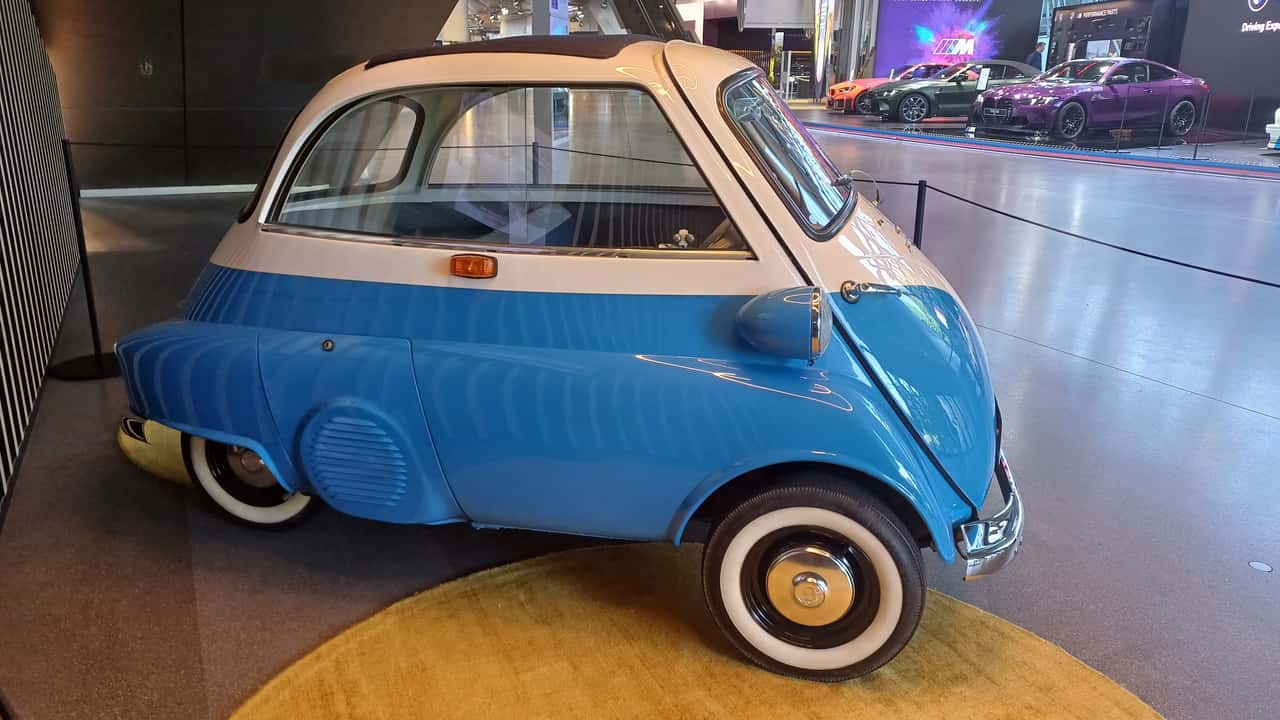

Anyone who has recently visited BMW Welt on Munich's Petuelring will have seen it, the beautiful blue and white Isetta. The tiny car with its rounded shapes almost magically attracts attention. However, casual visitors easily overlook the fact that the exhibit is an electric conversion. The car on display has been electrified.
The single-cylinder engine of the 2.36 metre-long vehicle was removed and an electric motor installed instead. This was done by the classic car division BMW Classic and the BMW employees at Plant 0 - the part of the Munich plant responsible for design studies and preparing for the start of series production. They are keen to point out that the original parts have been preserved so that a conversion back to the combustion engine is possible without any problems.
Gallery: BMW Isetta in the BMW World (2024)

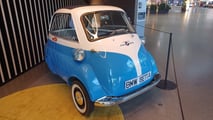
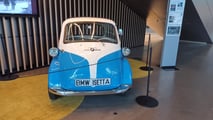
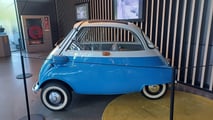
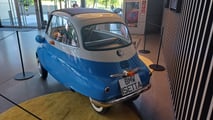
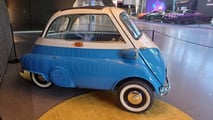
As with the original, the performance is not exactly record-breaking as the 245 cc engine from the 1950s delivers 12 PS, while the air-cooled electric motor provides 7 PS. This makes a top speed of 28 mph possible.
Four Hawker SBS B14 lead-acid batteries (PDF from the company website) serve as energy storage. The 12-volt batteries, each with a storage capacity of 62 ampere-hours, are connected in series to provide 48 volts. This results in a total storage capacity of around 12 kWh (4*62 Ah * 48 volts). The consumption is stated as "2.98 kWh"; if this refers to 100 km (62 miles), 400 km (249 miles) should be possible in one go - remarkable. However, a complete charging process takes a full four hours, which means an average charge of around 3 kilowatts.
The BMW Isetta was built under licence from an Italian model (Image: © BMW Welt)
The origins of the Munich "Knutschkugel" date back to the 1950s. After the war, BMW mainly sold motorbikes. In addition, upper-class vehicles such as the so-called "Barockengel" (BMW 501/502) with six-cylinder engines were produced, but these were far too expensive for customers.
There was no money for in-house development, so the decision was made to build under licence. The Iso Isetta from the Italian company Iso Rivolta came at just the right time. The manufacturer of refrigerators and motorbikes presented the little car at the Turin Motor Show in 1954. It had a forward-opening door; when it opened, the steering wheel also moved outwards, making it easier to get in.

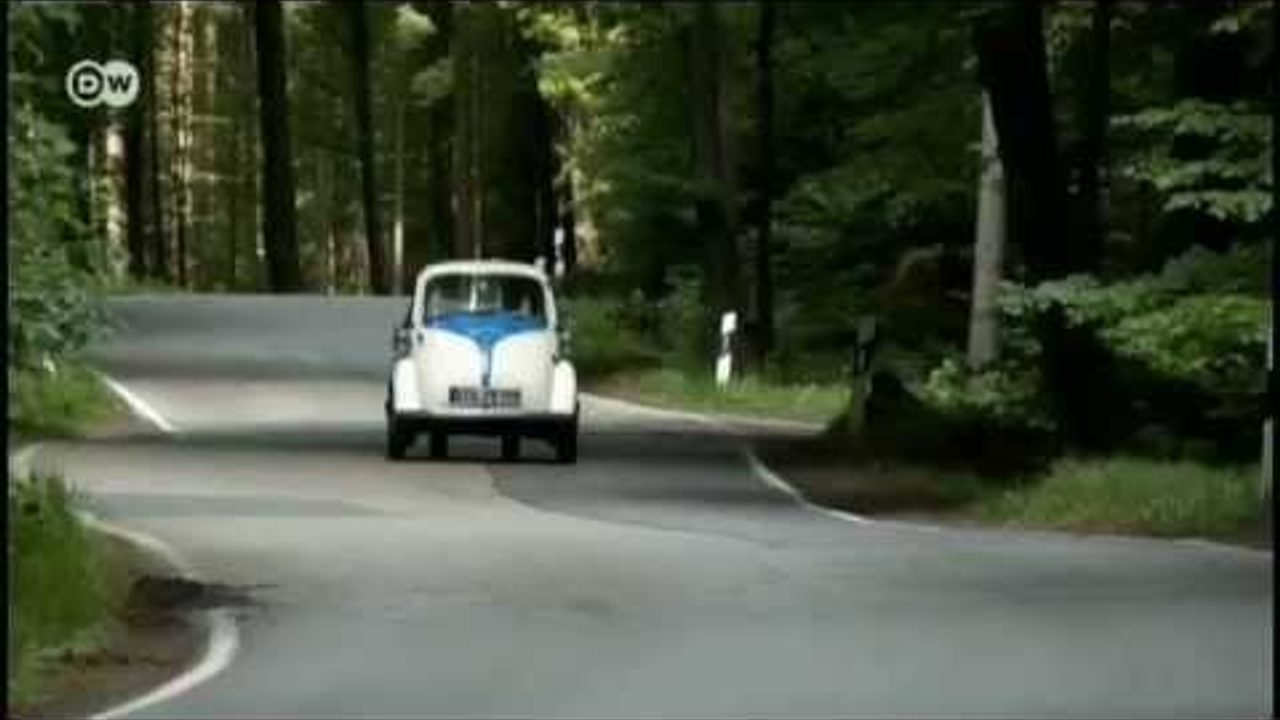
BMW bought the rights and built the car under licence, using a BMW motorbike engine. The BMW Isetta was a success: over 160,000 were built between 1955 and 1962; the price was 2,750 marks. The profit enabled BMW to develop the Neue Klasse of 1962, which ensured the company's continued existence for a long time - and which will be resurrected as a platform next year.
You can read more about the history of the BMW Isetta on BMW's website.
Read also:
The bottom line
In the 1950s, the BMW Isetta was the car you could just about afford; today, the car is the model for the electrically powered Microlino. The car is an eye-catcher and a popular favourite in both its old and new forms.
RECOMMENDED FOR YOU
BMW Never Built A V10 Manual X5. So This Company Is Making One
Hydrogen JCB Hydromax Rockets To 406.320 MPH World Record
BMW’s Next M3 Touring Gets A Codename And A Possible US Passport
Woman Says She’s Never Had Oil Change Because It’s A ‘Scam.’ Then Valvoline Has Something To Say: ‘I’ve Had This Car For 4 Years’
All 20 BMW Art Cars Are Finally Together In One Place
Woman Puts Bath & Body Works Air Freshener In Her Car. Then She Sees What She Comes Back To: ‘Sent Her A $1,500 Check’
RIP: These Cars Won't Make It To 2027