Electric car: Tips for not losing range in winter
Keeping the car charged, putting it in the garage, properly heating the passenger compartment and more: this is how to travel comfortably even in the cold
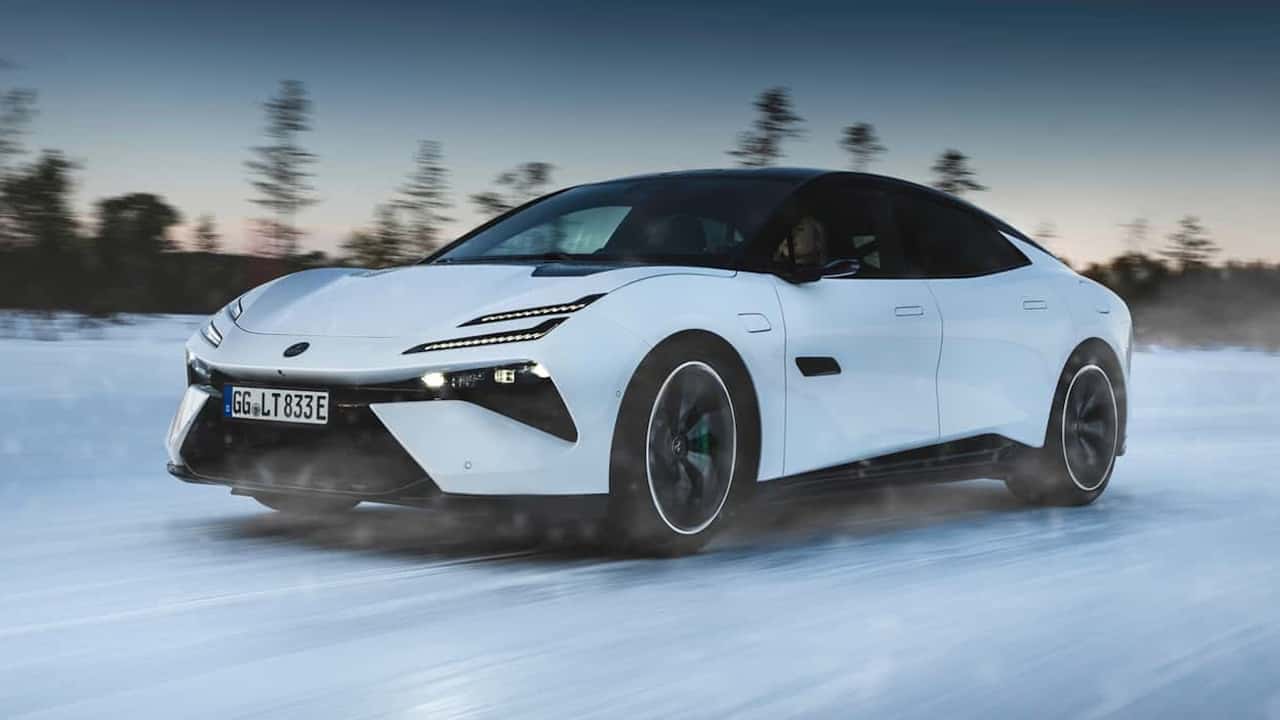

It always comes back to the same thing. In winter, the range of an electric car decreases, because part of the energy stored in the batteries is not used to run the car itself, but to bring the powertrain to the correct operating temperatures and warm up the passenger compartment.
Things are getting better, thanks both to more advanced software and batteries that counteract the drop in performance caused by the cold. But miracles cannot be worked, so you have to reckon on higher consumption and shorter range than claimed. By adopting a number of precautions, however, you can limit the lower mileage and - in short - live more comfortably.
Don't leave the car in the cold or too empty
The first piece of advice is as simple as it is difficult to apply. The best thing for an electric car in winter is to spend the night in the garage. Simple if indeed you have a garage, but difficult when you do not. The fact is that in a garage the temperature will never drop as much as outside. The less cold weather will help both to maintain a higher state of charge and to recharge the battery more quickly when you plug it into a wallbox or post.

The Nissan Ariya engaged in the snow
In any case, you should not let the charge percentage drop too much. This is because battery heating works best with a charge of at least 15-20%. And warming up the battery is essential to improve its efficiency and, in the long run, increase its service life.
How to stay warm without over-consuming
If you are lucky enough to have a place where the car stays charged overnight, then it is good practice to set a time to warm up the battery and the interior. This allows you to have a more efficient system before setting off, taking advantage of the presence of an external energy source.
To maintain a pleasant temperature in the passenger compartment while driving, some precautions can then be taken to limit electricity consumption. If there are heated seats, it makes sense to use them, because less energy is needed to heat a seat than for the air coming out of the air-conditioning system. There are also cars that offer heated seat belts. Also, if you are travelling alone and have bi-zone air conditioning, you can switch off the passenger side and have warm air only for yourself.
The ergoActive seat ventilation function of the Volkswagen ID.7
Watch out for the tyres
Finally, while having a car in good condition should be standard practice, this becomes even more important in winter. Think about tyre pressure, which tends to deflate a little in the cold. Keeping tyres at the right pressure makes driving more efficient. You have less rolling friction and therefore less wear.
Driving in optimal conditions
In addition, it is always a good idea to drive in ECO mode. Although it sacrifices performance a little, it allows you to both risk less on low-grip stretches and increase mileage.
Electric car range, charging and efficiency:
Gallery: 2025 Porsche 718 Boxster EV spy photos near the Arctic Circle


RECOMMENDED FOR YOU
Ferrari Is Sold Out Through 2027
How Renault Outsmarted Cheap Chinese EVs, And Profited
Man Pulls Up To Speedway Gas Station. What He Sees Next Stops Him In His Tracks: ‘I’ve Always Been Told…’
CarMax Vs Carvana: Which Used-Car Giant Has The Better Return Policy?
Man Never Removes Apple CarPlay Screen's Plastic Film Cover. Then It Costs Him Thousands Of Dollars
Hyundai Needs To Build This Baja Santa Fe For Real
Mercedes Recalls 311,000 Cars For Rollaway Risk