Tesla Roadster Thrusters Need Up To 6 Hours To Refill After Just 5 Seconds Of Use
A 200-liter nitrogen tank powers the Tesla Roadster’s thrusters, but current refill times and pressure needs limit everyday use.
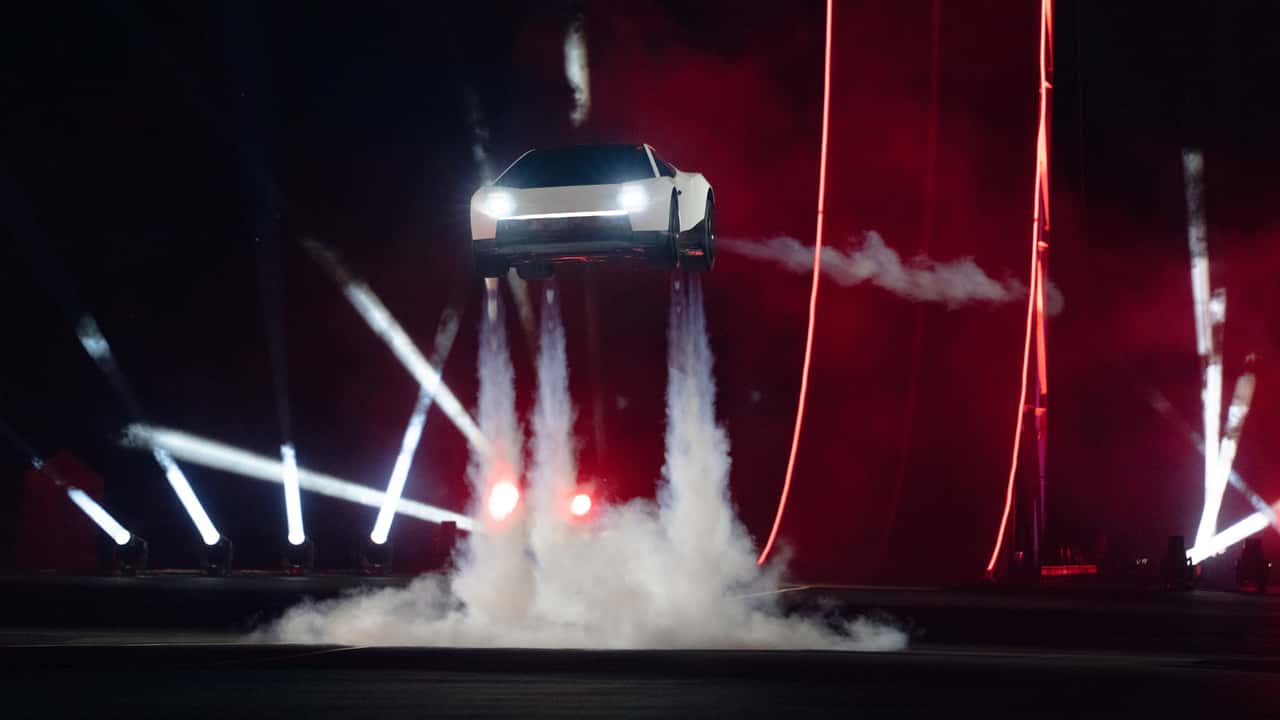

Tesla's next Roadster can supposedly launch itself with a five-second blast of thrust from its cold-gas system. Tesla engineering vice president Lars Moravy has now put a number on what that trick costs in downtime. The nitrogen tank behind it needs two to six hours to refill.
Moravy laid out the details about the car's hardware, which complicate the picture Tesla painted when it unveiled the redesigned Roadster on October 15. The thruster system that helps the car literally jump off the line runs on compressed gas that takes a lot longer to replace than a gasoline tank or a battery pack.
Five Seconds Of Thrust Takes Two To Six Hours

Lars Moravy Showing Tesla Roadster Cold Gas Thruster System
Moravy put it plainly. "Current fill times are like two to six hours. We're hoping to get down to under a half hour." That is a wide window for a feature meant to deliver instant acceleration on demand.
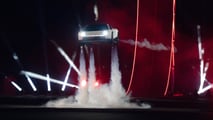
The hardware behind that wait is a 200-liter nitrogen tank pressurized to as much as 10,000 psi, according to Moravy. Cold-gas thrusters work by releasing that compressed nitrogen in a short, forceful burst. It is the same basic principle spacecraft use for small positioning maneuvers, scaled down and bolted to a car.
Tesla is reportedly aiming for a refill time under 30 minutes, but that goal is not the current reality. The company has not said when the faster system might show up. For now, every five-second burst of thrust gets followed by a refill that can eat most of a workday.
Pressure-Boosting Equipment Will Not Be Cheap
Tesla Roadster Cold Gas Thruster System
Reaching 10,000 psi is not something a typical home or shop compressor can do. Common high-pressure nitrogen systems top out around 6,000 psi, so getting the Roadster's tank to full pressure will likely require a dedicated booster. Commercial systems that can reach that pressure are specialist industrial equipment.
That cost sits on top of the car itself, which makes the thruster package feel closer to track-day equipment than a feature every Roadster buyer will use in a driveway. It also raises a practical question Tesla has not fully answered yet. Owners without that equipment still need a way to refill the tank.
Pricing details point to a $50,000 reservation for the base Performance trim and $250,000 for the Thrust variant, with each structured as $5,000 due by card and the balance due within 10 days. That spread reflects how much extra hardware the thruster system adds on top of the standard car.
Tesla has not confirmed final production specifications, pricing or delivery dates. The reported timeline still points to 2028 for the start of production. The refill infrastructure question has time to get sorted before customers take delivery.
Which Roadster Variants Actually Get The Thrusters?


Tesla's announced lineup splits into three configurations, and they do not share the same hardware or the same rules of the road. Performance is the base version, a two-seat car described as street-legal and "road ready" without any cold-gas thrusters.
Thrust versions adds rear cold-gas thrusters to that same two-seat body, built for straight-line acceleration with prototype demonstrations showing hard launches and brief hops. Its street legality has not been clearly confirmed.
Rocket is the outlier. It is a single-seat configuration with thrusters around the car's perimeter, listed as not approved for public road use and shown in highly controlled stunt-style demonstrations.
Outside observers have flagged unresolved questions around pedestrian safety, occupant protection and how thruster-equipped cars would even be homologated for road use. Tesla has not published final specifications that address them.
Until those answers exist, the thrusters remain a demonstrated capability on prototypes rather than a certified street feature.
Gallery: 2028 Tesla Roadster
More From Tesla:
Source: Hagerty
RECOMMENDED FOR YOU
Ferrari's CEO Praises The Tesla Roadster: 'We Have To Keep Dreaming'
Man Borrows Girlfriend’s Car. It Only Has 1 Mile In The Tank. She Says That Means It Has 15 Miles Left
The Tesla Roadster Reinvents Pop-Up Headlights. Sort Of
Porsche Just Confirmed Audi's Electric Sports Car Will Share Its Boxster And Cayman EV Platform
All Aboard The Hype Train: Tesla Says The New Roadster Could Hit 330 MPH
Your Car Can Be Stolen From Your Driveway Without The Keys. Here's How
Tesla Roadster Will Be 'Sentient' And Perform Stunts Autonomously, Musk Says