Why Is Turtle Wax Called Turtle Wax?
The name behind one of the biggest brands in car care has a surprisingly simple origin.
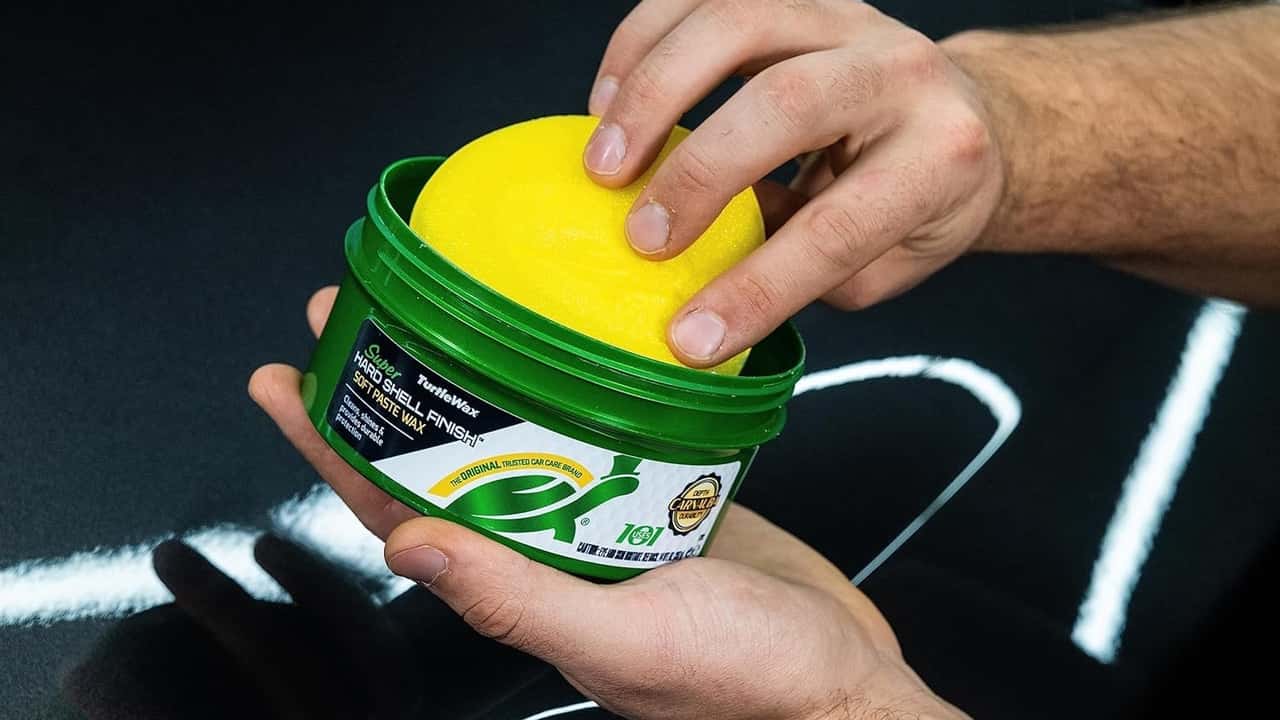

If you've ever spent any time cleaning a car, you've probably seen Turtle Wax sitting on the shelf at an auto parts store. The name is hard to miss, and it raises an obvious question: Why is a car wax company named after a turtle?
The answer goes back to the 1940s and has surprisingly little to do with actual turtles. Instead, the name was inspired by one of the animal's most recognizable features: its hard shell.
The Name Started With A Different Product
The story begins in Chicago with Benjamin Hirsch, an inventor who developed a liquid polish for automobiles. Hirsch reportedly made some of the earliest batches in his family's bathtub before turning the idea into a business.
In 1944, the product was sold under a different name: Plastone. But Hirsch eventually decided it needed something more memorable.
Two years later, the name Turtle Wax appeared.
So, Where Did The Turtle Come From?
The basic idea was pretty clever.
A turtle's shell provides a tough layer of protection around the animal. Hirsch wanted his automotive wax to provide a similar protective layer for a car's paint.
In other words, the name was essentially a metaphor:
- Turtle: A symbol of a hard protective shell
- Wax: What Hirsch was selling for automobile paint
- Turtle Wax: A wax that helps give your car a protective "shell"
According to Turtle Wax's own history, the name was chosen because of the hard-shell finish the product provided.
But there's another part of the story.
A Wisconsin Town May Have Helped Inspire The Name
The turtle wasn't necessarily the only inspiration.
According to historical accounts, Hirsch came up with the name during a sales trip that took him through Turtle Creek, Wisconsin. The town apparently helped put the word "turtle" in his head, while the animal's protective shell gave him the perfect connection to his product.
Whether Turtle Creek was the definitive inspiration or simply helped spark the idea, the name turned out to be a pretty good one.

Why Didn't They Just Keep The Name Plastone?
Because Plastone doesn't exactly scream "car care."
That's an important part of what made Turtle Wax such effective branding. The name was short, easy to remember, and immediately associated with protection.
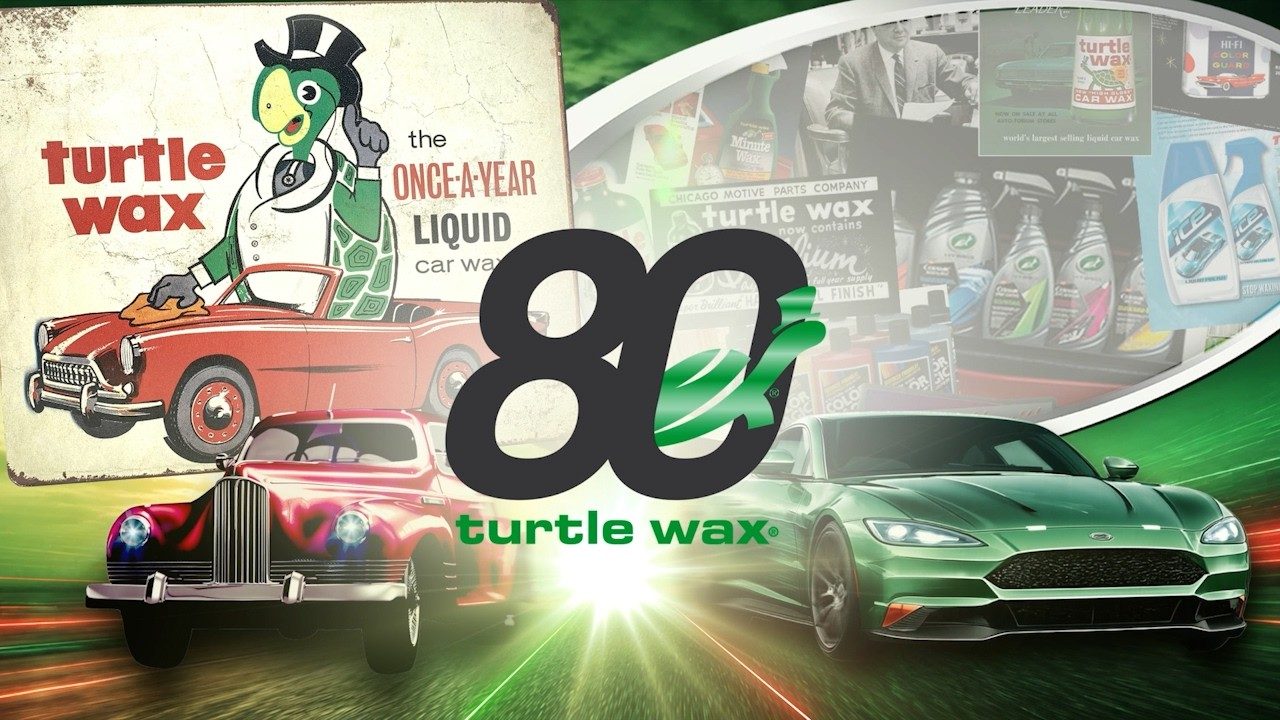
And unlike a generic name such as "Auto Polish," Turtle Wax gave the company something else that could become a recognizable part of the brand: a mascot.
Meet Tommy Turtle
The turtle eventually became more than just a name on a bottle.
Turtle Wax introduced its turtle mascot, eventually known as Tommy Turtle, giving the company a character that could be used in advertising and packaging.
That helped turn an otherwise ordinary automotive-care product into a brand people could recognize on a crowded store shelf.
It's a surprisingly modern marketing strategy for a company that dates back to the 1940s.
Turtle Wax Became Much Bigger Than Wax
The original idea was automotive polish, but Turtle Wax eventually expanded into just about every part of car care.
Today, the company's product lineup includes everything from traditional waxes and polishes to ceramic coatings, interior cleaners, tire products and newer spray-on protectants.
The chemistry has changed dramatically over the decades. The name hasn't.
Turtle Wax says its products are now sold in more than 120 countries, making the name that Hirsch came up with in the 1940s a genuinely global automotive brand.
The Turtle Was Actually A Pretty Good Metaphor
There's no complicated automotive engineering behind the name. Hirsch wasn't developing wax from turtle shells, and turtles weren't somehow involved in the manufacturing process.
It was simply smart branding.
The turtle represented protection, while the wax provided that protection to a car's paint. Put the two together, and you get a name that has been remarkably durable for more than 80 years.
That's probably the most fitting part of the whole story.
Turtle Wax has survived because its name communicates exactly what the original product was supposed to do: put a hard protective shell over your car.
And unlike a lot of automotive brands from the 1940s, you don't need to know anything about the company's history to understand what the name means.
More From Motor101
RECOMMENDED FOR YOU

Why Is It Called a 'Pit Stop' In Racing?
RIP: These SUVs Are Dead For 2027
What Does 'NASCAR' Actually Stand For?
Mitsubishi Pajero Is Back September 2, Returns With Ladder Frame
What Those Little Weights On Your Wheels Actually Do
Discount Tire Quotes Man $500. Then His Wife Shows Up—And They Change Their Prices: ‘They Are Telling Them To Sneak It In’
Why Do Jeeps Actually Have Seven Slots In The Grille?