Lotus Believed 'EVs Could Be The Future,' But Has Reconsidered
The recommitment to combustion engines will bring a new V6 and even a V8.
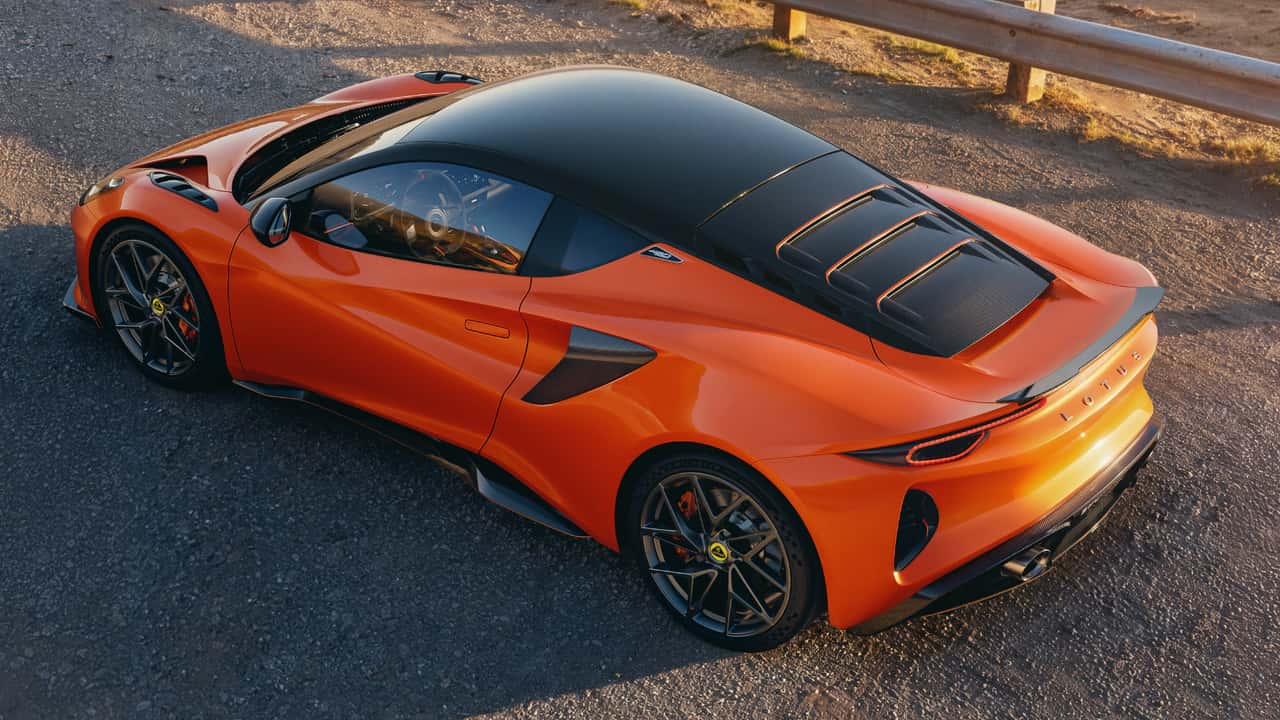

The Breakdown
- Lotus has abandoned plans to become a purely electric brand.
- Future models will have completely new V6 and V8 engines.
- Developed by Horse, the gas engines will be used in hybrid versions of the Emira and an upcoming supercar.
When the Emira came out in 2022, Lotus claimed it would be its last production vehicle powered by a combustion engine. From that point forward, the Hethel-based niche brand planned to launch only electric vehicles. For a while, it kept its promise, as the Evija, Eletre, and Emeya were all EVs. However, the Eletre SUV has since received a four-cylinder gasoline engine for the strangely named For Me in China.
There’s more to come on the ICE side from Lotus. The Emira will switch to a completely new V6 engine, while the future supercar is getting a V8. Both engines are being developed by Horse, a 50:50 joint venture between Lotus’ parent company Geely and Renault. The future performance models will both be hybrids.
You might be wondering why Lotus has abandoned its goal of exclusively selling EVs. In an interview with Automotive News Europe, the automaker’s CEO admitted it overly estimated how quickly people would switch to electric sports cars. Feng Qingfeng concedes the rate at which EV demand is growing is slower than what the company had initially projected:

Lotus 'Type 135' supercar teaser
Lotus Knows Enthusiasts Want Engines
'The luxury auto segment has gone through tremendous changes. We thought EVs could be the future. That is why we acted fast and we acted aggressively. But the EV penetration rate was not as good as we expected, and we could see customers still like ICE vehicles.'
As to why some customers are unwilling to let go of combustion engines just yet, the head honcho at Lotus has figured it out:
'Certain customers simply enjoy the thrill of driving a car with a powerful engine, even with some lag in the power delivery. A smooth powertrain is good for those people who use their car daily for commuting. However, those who purchase performance cars make that decision in the pursuit of driving thrills, of entertainment. They just want to have fun.'
Looking ahead, the Emira will indeed drop the AMG- and Toyota-sourced engines in favor of an electrified Geely powertrain based on a new V6. Feng Qingfeng ruled out another four-cylinder version because, unsurprisingly, customers want the larger engine. The Lotus boss didn’t provide a timeline for the switch, but with the current Emira recently getting a 420 Sport flagship version, it’s unlikely to happen anytime soon.
New Lotus V8 Supercar: Esprit With A Central Seat?
The number one at Lotus suggested that the 1,000+ hp supercar, internally codenamed “Type 135,” could revive the Esprit moniker. It may even have a central driver’s seat, in the same vein as the 2024 Theory One concept. Feng Qingfeng explained that doing so would reduce development costs, as the company wouldn’t have to engineer both left- and right-hand-drive configurations.
Lotus sees the Ferrari 849 Testarossa as a direct rival, which would put the new flagship model in $500,000+ territory. However, the plan is to undercut and outpace Maranello’s plug-in hybrid V8 supercar:
'We want to make sure that more people will have access to a performance car that is even better than a Ferrari with a lower price.'
2026 Lotus Emira 420 Sport
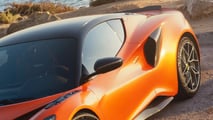
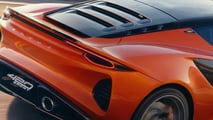
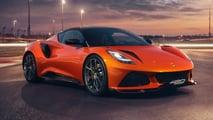
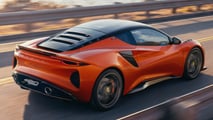
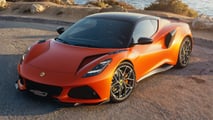
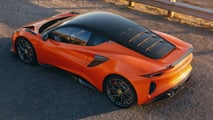
Motor1's Take: Much like Mercedes-AMG has recommitted to six- and eight-cylinder engines, Lotus has realized the main selling point of a sports car is its combustion engine. EVs are quicker in a straight line, but the emotion and thrill are notably absent.
Ideally, those new Horse engines would come without electric assistance to keep weight low, but in reality, hybridization is necessary to comply with tougher emissions regulations.
Extra complexity runs directly counter to Colin Chapman’s “simplify, then add lightness” ethos, but the only way to keep large-displacement engines alive in an ever-more-restricted industry is to make them the central part of a hybrid powertrain.
The Latest From Lotus:
Source: Automotive News Europe
RECOMMENDED FOR YOU
The Most Powerful Cars You Can Still Get With A Manual
Man Gets 4 New Tires For His Lexus. Then The Shop Calls Him About A Missing Part: 'I Threw That Away'
The Stick Shift Isn't Dead Yet: Every Manual Car You Can Still Buy In 2026
Woman Buys Chevrolet Tahoe. Then Her Wheel Flies Off. Then The Dealership Ghosts Her—After Agreeing To Take Accountability
Audi’s New Models Are Carrying It Through 2026
The 10 Fastest Cars At Goodwood This Year
US Drivers Are Staying Away From Premium Gas Due To High Prices