Home
Volkswagen
News
VW reverses stance on combustion engines: Billions are now being invested
A good €60 billion are suddenly freed up for the development of conventional engines

By: Stefan Wagner
Published by: Brian Potter
Jun 8, 2024 at 4:34am ET
Add Motor1.com as a preferred source in Google
- (https://twitter.com/intent/tweet?url=https%3A%2F%2Fwww.motor1.com%2Fnews%2F722598%2Fvolkswagen-invests-60billion-euros-combustion-engines%2F&text=VW%20reverses%20stance%20on%20combustion%20engines%3A%20Billions%20are%20now%20being%20invested&via=motor1com)
- copy
Share
Comment
It is fair to say that the transition to electric mobility is not going as well as most car manufacturers had imagined. Several of them are now postponing their ambitious targets and are no longer so sure when the transition to an all-electric manufacturer will be complete.
Just last year, Volkswagen estimated that electric cars would account for 80 per cent of annual sales in Europe by the end of the decade. The rather lukewarm reception of its own ID models is now prompting the Wolfsburg-based company to adjust its strategy.
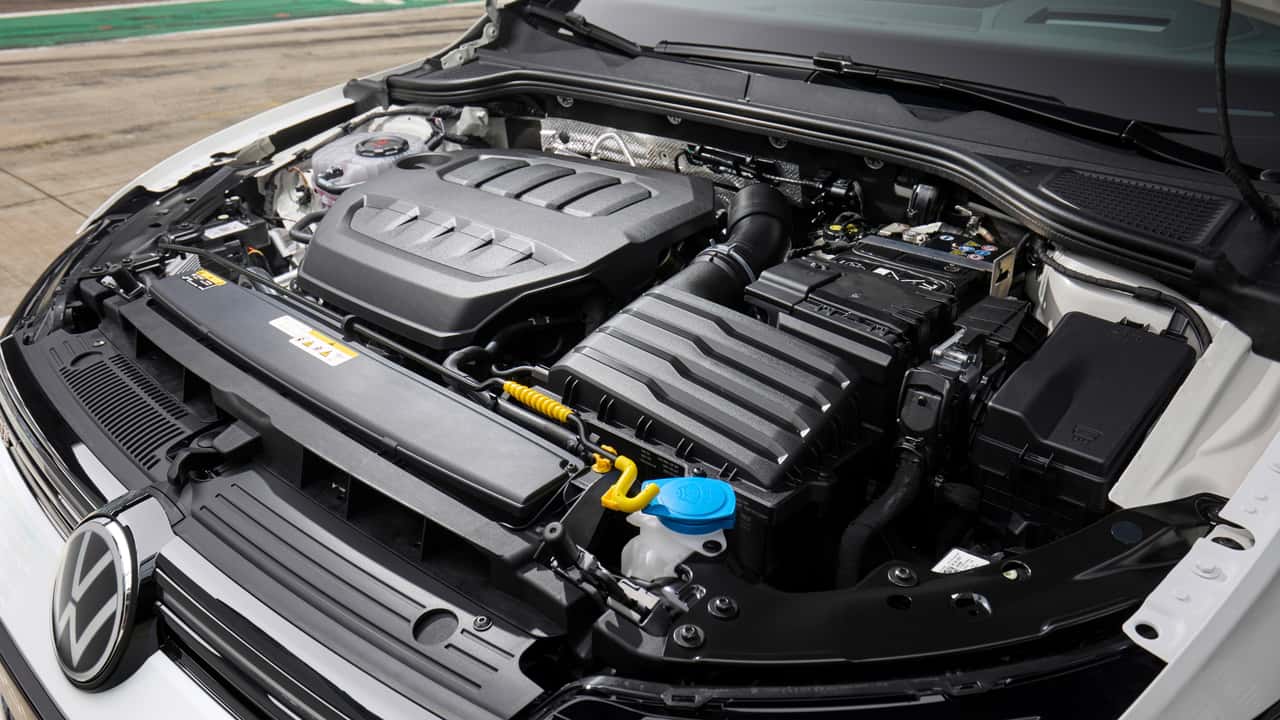
Of the €180 billion set aside in 2023, primarily for next-generation electric cars, VW will now divert a third to the development of combustion engines. This announcement comes from Arno Antlitz, Chief Financial Officer and Chief Operating Officer of the Volkswagen Group. The company is therefore planning to spend a good €60 billion to "keep our combustion cars competitive".
Antlitz spoke at a Reuters event in Munich and added: "The future is electric, but the past is not over yet. It is a third and it will remain a third." This is a remarkable departure from the original plan that was adopted at the end of 2022. It stated that the company wanted to sell only electric cars in Europe from 2033.
Last year, Volkswagen brand boss Thomas Schäfer spoke disparagingly of the combustion engine as an "old technology" in connection with e-fuels. He said that the discussions about synthetic fuels were nothing more than "unnecessary noise". This is despite the fact that sister company Porsche is actively involved in the production of synthetic fuels in Chile.
Other luxury brands from the VW empire are also taking a close look at how sustainable fuels are developing. Bugatti is even thinking about designing petrol stations that could be installed in customers' homes and filled with synthetic fuel.
Lamborghini, on the other hand, believes that the combustion engine can be saved if it can be fuelled with something other than fossil fuels. Bentley is also researching almost CO2-neutral fuels.
The luxury car manufacturer from Crewe has postponed its goal of being EV-only by 2030 by three years. Ford also no longer believes it will be purely electric in Europe by 2030. Aston Martin has also reconsidered its course and will now build cars with combustion engines into the next decade.
What do you think?
View
Comments
You can see that more and more car manufacturers are adapting their ambitious e-car strategies to reality. After all, you can't completely impose on customers what they should buy.
Read also:
 Nissan no longer spends money on new combustion engines
Subaru, Toyota and Mazda will work together on new combustion engines
This puts companies in a dilemma, because the emissions regulations are naturally becoming more and more humourless. And that in turn requires investment in cleaner combustion engines. At the same time, the electric offensive from China is another cause for concern for the global players in the automotive industry.
Source: Automotive News Europe
We want your opinion!
What would you like to see on Motor1.com?
Take our 3 minute survey.
- The Motor1.com Team
Share this Story
- (https://twitter.com/intent/tweet?url=https%3A%2F%2Fwww.motor1.com%2Fnews%2F722598%2Fvolkswagen-invests-60billion-euros-combustion-engines%2F&text=VW%20reverses%20stance%20on%20combustion%20engines%3A%20Billions%20are%20now%20being%20invested&via=motor1com)
- copy
GO TO COMMENTS
(
)
Got a tip for us? Email: tips@motor1.com
View all comments ( )
Popular
12 Cars With Names That Make Absolutely No Sense
BMW Kept This Hatchback A Secret For Decades
Bugatti Restores One-Off Veyron With A Mirror-Like Aluminum Body
The Gas BMW M3 Isn't Dead: Next-Gen Prototype Roars
latest articles
- Driver Goes Through Car Wash With Full Truck Bed—Then He Learns The Hard Way Why You Shouldn't Do That Oct 20 - Trending -
- Every Rolls-Royce Has A Hidden Feature Most People Don't Know About Oct 20 - Motor101 -
- Subaru Built A 510-HP Electric Wagon Without Toyota's Help Oct 20 - Official -
- The Strange Reason The Golf GTI Had A Golf Ball Shifter Oct 20 - Motor101 -
- Photos: Porsche's Mission S Concept Takes Over New York City Oct 20 - Design -
- The 2027 Honda Passport TrailSport Looks Noticeably Taller Next To Last Year's Model Oct 20 - Off-Road -
- 12 Cars With Names That Make Absolutely No Sense Oct 20 - Lists -
RECOMMENDED FOR YOU
The Strange Reason The Golf GTI Had A Golf Ball Shifter
Driver Goes Through Car Wash With Full Truck Bed—Then He Learns The Hard Way Why You Shouldn't Do That
12 Cars With Names That Make Absolutely No Sense
Every Rolls-Royce Has A Hidden Feature Most People Don't Know About
This German City Exists Because Of Volkswagen
Subaru Built A 510-HP Electric Wagon Without Toyota's Help
10 SUVs That Get 30 MPG Without Hybrid Power