UK commercial vehicle production up by almost a quarter in January
That's in spite of the ongoing global microchip shortage.
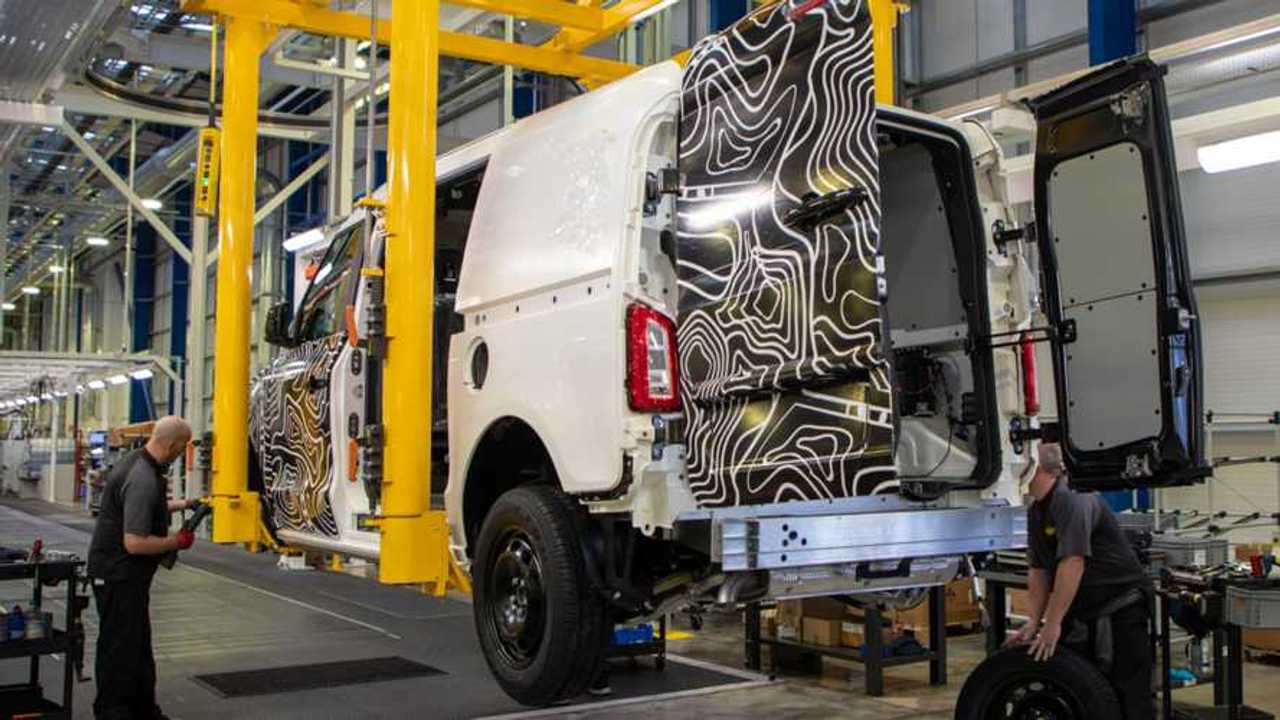

UK commercial vehicle production rose by almost a quarter in January, despite the ongoing global chip shortage. According to figures from the Society of Motor Manufacturers and Traders (SMMT), almost 7,000 new commercial vehicles, including vans, were built in the UK during January 2022.
To be exact, the SMMT said 6,860 vans, trucks, taxis and buses were built in the UK during the first month of the year. That’s an increase of 22.2 percent compared with the same month in 2021, when demand was impacted by lockdown.
However, despite that marked increase in production compared with the previous January, last month’s output was down 25.3 compared with the first month of 2019 – the most recent pre-pandemic year.

January’s increase was largely driven by demand from export markets, with the number of vehicles destined for foreign shores up by almost a third. The 32.1-percent uplift saw nearly 4,000 vehicles head abroad, which meant exports made up 57.5 percent of new commercial vehicles built in the UK – up from 53.2 percent in January 2021.
Despite that, the number of vehicles built for UK-based customers also increased, rising from 2,631 in January 2021 to 2,917 in January 2022. That represented a 10.9-percent year-on-year increase.
According to the SMMT, though, the increase in output was largely down to the increased demand from foreign markets as “international markets started to get back to business”. The organisation said the sector was still resilient despite “challenges”, including the shortage of semiconductors that is still causing issues for the country’s car manufacturers.
More on the UK commercial vehicle market:
But the SMMT also said the ongoing energy price increases and the government’s “highly ambitious” zero-emission targets would pose issues for manufacturers. As a result, the body called for the government to match manufacturers’ investments with its own plan to improve infrastructure.
“The UK’s commercial vehicle sector has once again shown its resilience in the face of myriad challenges, most notably the global shortage of semiconductors,” said SMMT chief executive Mike Hawes. “However, the challenges before the sector are immense; ongoing supply chain constraints, soaring energy costs, and highly ambitious zero emission targets require every measure be taken to secure the industry’s global competitiveness. The industry is investing in new technologies, but this investment must be matched with infrastructural investment and a long-term plan to enable it to deliver on our shared decarbonisation goals.”
RECOMMENDED FOR YOU
BMW Moved 1 Million Cars Inside Plants Without Drivers
2027 Kia EV9 Pricing Revealed With More Torque And Standard Upgrades
Porsche Says No To US Factories While Audi Pours $4 Billion Into Georgia
GMC Driver Gets A Sensor Error On Her Yukon. Why Has It Taken Months To Fix?
Audi Is Spending $4 Billion On A New US Factory For Big SUVs
Man Borrows Girlfriend’s Car. It Only Has 1 Mile In The Tank. She Says That Means It Has 15 Miles Left
Ford Explains Why Naming Cars Is So Hard: 'Everyone Has An Opinion'