Woman Charges Her Rivian At Costco For 1 Hour. Then She Sees How Much It Costs: ‘Electric Car People Have Been Lying’
"I just plugged up my Rivian to the Electrify America."


A Southern California Rivian owner charged her car at Costco while she shopped. Then she showed how much it cost to fast charge her car for an hour.
Now people are wondering whether or not owning an EV is economically feasible.
Linda (@icookutry), a cooking enthusiast, was able to get 67% more energy into her car’s battery in an hour. But it cost her almost $65 for around 300 miles of driving range. Which many thought was a bad deal.
Rivian EV Fast Charging Cost
Linda begins her clip seated inside of her EV. “I’m at Costco and I just plugged up my Rivian to the Electrify America. It’s gonna take an hour and 10 minutes to get to 100% from 27%,” she says. Following this, her video cuts to footage of her recording the car's charging progress. Judging by the vehicle’s estimates, she’s gaining around 389 miles of driving per hour of fast charging.
“But let’s just see how long I’m in Costco. And yeah, see how long this goes,” she tells her viewers. After loading her groceries, Linda shows its charging progress screen yet again. The vehicle indicates it now has 332 miles of range and has reached 94% capacity.
Another figure on the screen displays a concerning number: it cost $62.89 for the charging session.
The final figure ended up being a bit higher.
“64.59 for an hour and one minute and I’m at 94%,” she says.
“It’s Not Worth It”
Many commenters were stunned by how much it cost to juice up her Rivian. Many compared the cost of powering the car to using regular gas. “I just spent $50 for gas to get 512 miles … took less than 5 minutes to fill up,” one said.
Another wrote: “That’s really expensive. It’s the same me filling my gas tank.”
“My Camry gets 540 miles for $40,” someone else said. Another remarked, “Dang $64 not even full and it took an hour?”
One person said they now regret purchasing an all electric car. “I have an EV. To everyone: it’s not worth it. Range anxiety is real, public charging costs as much as gas. Range plummets during winter, I could keep going. I fantasize frequently of a tree falling on my car so I can get a gas car again.”
But another electric car owner said they were stunned by the Rivian’s charging cost. “HOLY … I’ve never paid any more than $25 to fully charge my Tesla.”
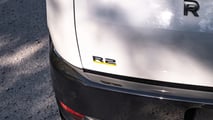
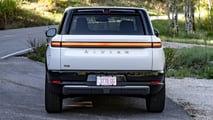
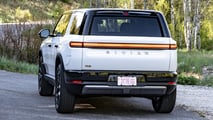
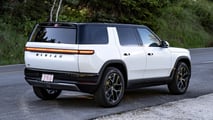
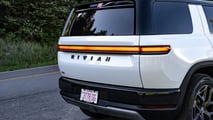
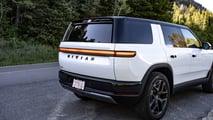
Gallery: 2027 Rivian R2 First Drive Review

Are EVs More Expensive To Drive Than Gas Cars?
The costs of charging an EV depends on the cost of electricity itself, which can vary greatly by area and provider. InsideEVs published a detailed breakdown on what EV owners can typically expect to pay to power their vehicles.
But if you’re thinking about using an EV as your primary vehicle, factoring in real-world driving habits is crucial. Especially if you’re concerned about cost. To put it bluntly: if you don’t have a level 2 charging solution at home, then you’re probably going to spend more money fueling your car than you would a gas vehicle. EV owners, like one Reddit user on r/TeslaLounge, say the savings for home charging are “staggering” when compared to supercharging.
They aren’t the only one who complained about fast charging costs. Autonocion notes that “EV charging used to be free.” Only after more people bought electric cars were fees applied to charging, but they were nominal when compared to gasoline prices. But “now some fast chargers cost more per mile than a gas pump.”
Get A Home Charger
EV drivers like Linda will benefit monetarily from primarily charging their car when it’s parked at home. In its piece on charging costs, InsideEVs writes that “electricity is metered in cents per kWh.” Relying solely on home charging, the outlet says that traveling the same distance in an EV when compared to an ICE vehicle, on average, comes to around “one-third the cost.”
But that figure will shoot up if you’re constantly relying on paid fast-charging. So if you have a NEMA 14-50 outlet in your house, put it to use. And if you don’t, then it would be prudent to consult with an electrician to determine if you can get one installed in your home.
Additionally, you can use apps like PlugShare to locate free chargers. Oftentimes government buildings, like libraries, have free level 2 EV chargers. They won’t top off your car as quickly as a fast charger, but they’re a lot better than a standard wall outlet’s power output.
It’s worth mentioning that Linda’s home state, California, features some of the highest at-home charging rates, too. According to Electric Choice, Golden State residents can expect to spend around $92 per 1,000 miles of driving when they charge their EV batteries at home.
Linda didn't respond to an inquiry seeking comment.
RECOMMENDED FOR YOU
Man Shops For Ford Mustang At CarMax. Then He Sees What They Want For It: ‘These Prices Have Gotten Outrageous’
Europe's Sports Car Market Is Shrinking. But The Porsche 911 Is Still Winning
Chrysler Dealership Gives Florida Woman 'Brand-New' Goodyears. Then She Inspects Them
Why Is It Called a 'Pit Stop' In Racing?
Woman’s Jeep Keeps ‘Bucking.’ Then She Has 3 Dealerships Work On It: ‘We Can’t Find Anything Wrong’
Woman Gets Ford Bronco Inspected At Dealership Before Texas Road Trip. Then A Mavis Tech Can't Believe What He Finds
Woman Notices Flock Cameras. Then She Does Something Drastic 'In The Name Of Privacy': 'From Amazon'