'Takes 6 Hours Install Time at $98/Hour:' Michigan Man Needs New Turbo. Then He Gets a Quote and His Jaw Hits the Floor
"I really feel like this is a scam."
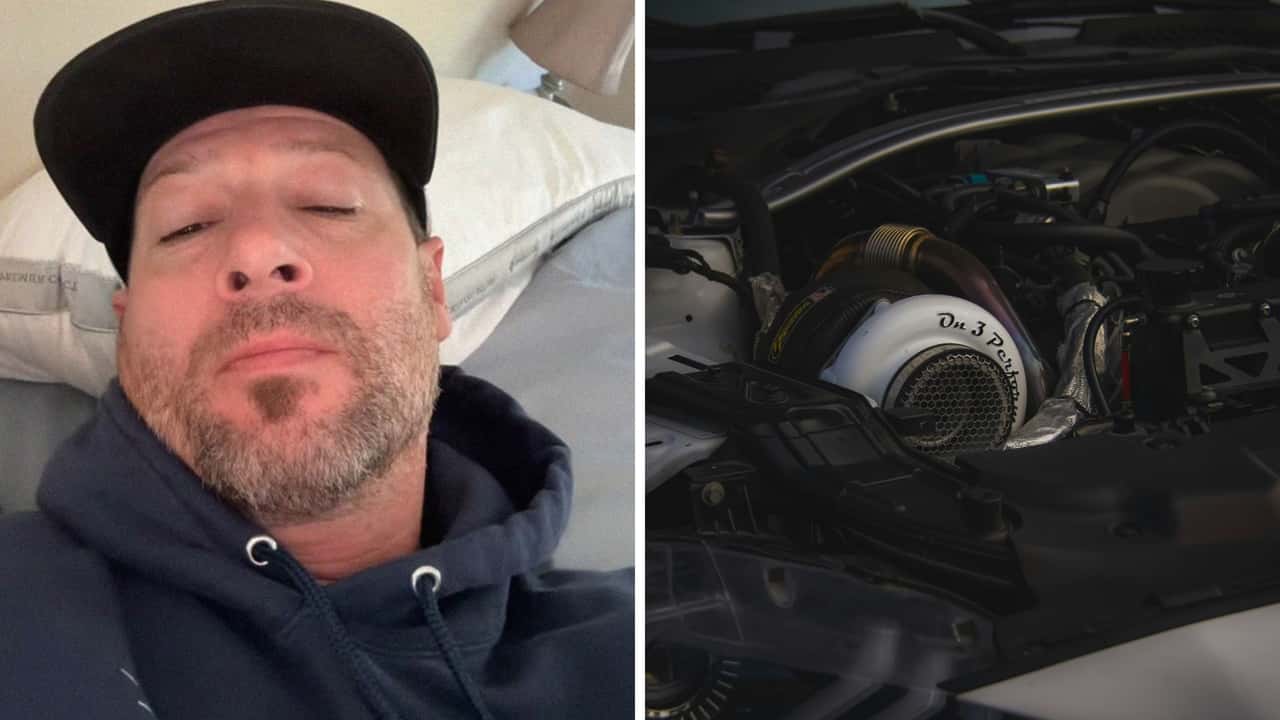

A six-hour job. A $98-per-hour labor rate. A turbocharger that might, or might not, be shot.
For one Michigan car owner, the numbers added up to something that didn’t make sense—and he wasn’t the only one confused.
In a viral TikTok clip, Flint, Michigan, resident Shawn Markos (@thatoneguyfromflint) tries to figure out the logic behind the possible $600 labor charge he could face to get his car running right again.
He says an auto shop worker told him it would cost $100 to inspect his turbocharger, which may require removing it from his car.
This prompts him to question, “If they can take off the old turbocharger, inspect it, and then put it back on for $100, why can't they just take off the old turbocharger and put a new one on for $100?”
What Does Turbo Replacement Normally Cost?
According to RepairPal, the average cost to replace a turbocharger, including parts and labor, ranges between $2,261 and $2,915, with labor alone accounting for roughly $695 to $1,019. Another source pegs the total at $2,000 or more, typically including about $500 in labor. Diesel-focused estimates suggest stock turbo replacements average $1,000 to $1,700 plus labor.
By that yardstick, Shawn’s quoted labor of six hours at $98/hour (about $588) surprisingly falls within industry norms, even if it still feels steep when you're already paying $100 just to inspect the same component.
Industry veterans point out that inspection and replacement are distinct processes, even when you “take the part off” both times. An inspection might involve a teardown or visual check, but not the careful reinstallation of gaskets, seals, and precise torques for a new component. Install labor often includes:
- Draining oil and coolant, removing manifold components, and reversing the process.
- Replacing necessary seals and gaskets, torqueing components to spec, and retesting—processes that inspection alone doesn’t include.
Experts recommend thorough disassembly and reassembly after parts removal, explaining that components are reinstalled precisely and often include new seals, even when only inspecting.
Labor Rates Aren’t the Whole Story
Shops often break down pricing into diagnostic or inspection flat fees and separate hourly labor rates for actual repair. Sometimes, shops will waive or credit the inspection fee if the repair is approved, but that’s not guaranteed.
Some state laws require greater transparency. For instance, California automotive repair law mandates that shops provide a written estimate that includes all parts and labor, and that fees must be disclosed upfront and directly related to the repair work, not general overhead. In Texas, consumer-protection guidelines recommend obtaining separate written authorization for inspection and repair, and caution against relying solely on verbal agreements. Such rules underscore the importance of an itemized and signed work order.
How to Navigate Quotes
To avoid sticker shock, here’s what drivers should do:
- Ask whether the inspection fee is credited toward repair. A fair shop often applies it if the work proceeds.
- Get a line-item estimate, not just a total. That should break down the inspection, labor hours, parts, and any additional fees, such as shop supplies.
- Run the numbers online. Sites like RepairPal can help estimate labor hours and typical costs.
- Consider buying the parts yourself, especially if they’re significantly marked up.
- Get a second opinion. Another shop might quote fewer labor hours or package costs differently.
Shawn’s TikTok moment may have started as a personal head-scratcher, but it tapped into a much broader frustration—the murky world of mechanic billing. The disconnect isn’t necessarily calculated. It’s often a result of how shops structure labor and diagnostics, and how few customers understand the details behind the estimate.
In a market where a turbocharger and its installation can cost thousands, two bills with vastly different reasoning can feel misleading. The solution isn’t necessarily lower prices, but better clarity and upfront communication.
Motor1 reached out to Shawn via direct message.
Now Trending

RECOMMENDED FOR YOU

Man Owns Viral Auto Shop. Then He Goes Viral For Another Reason—His Interaction With This Single Mother: 'People Cannot Believe'
Mercedes Has 10 New Models Coming In 2026. Here's All Of Them
Saleswoman Gets ‘Yelled At’ After Not Giving Driver Brand-New Kia For $20k: ‘Go To The Dealership At The End Of The Month. Noted’
Alpine Declares This The First True Electric Sports Car
Mechanic Orders Parts. Then He Says Kia And Hyundai Are The ‘Exact Same Company’: 'You’re Paying For A Logo'
BMW Quietly Reveals The V8 Engine Has A Long Life Ahead
Man Buys Mobil 1 Oil At AutoZone. Then They Gave Him Two Different Kinds: ‘I Guess There’s Different Colors’