Mazda RX-85 concept: The second Japanese ever with a Wankel engine
Created in an attempt to repeat the success of the Cosmo Sport 110S, the RX-85 concept anticipates the R100 sold until 1975

The 1960s were a turning point for Mazda. It was at this time that the Japanese manufacturer introduced the Cosmo Sport 110S, its first model to be equipped with the Wankel rotary engine, a real revolution at the time that was to become a trademark of the Hiroshima-based firm.
After the first Cosmo Sport 110S was delivered in 1967, the brand decided to expand its range by anticipating the arrival of another model with the RX-85 concept, which gave birth to the R100.
From concept to production model in 12 months
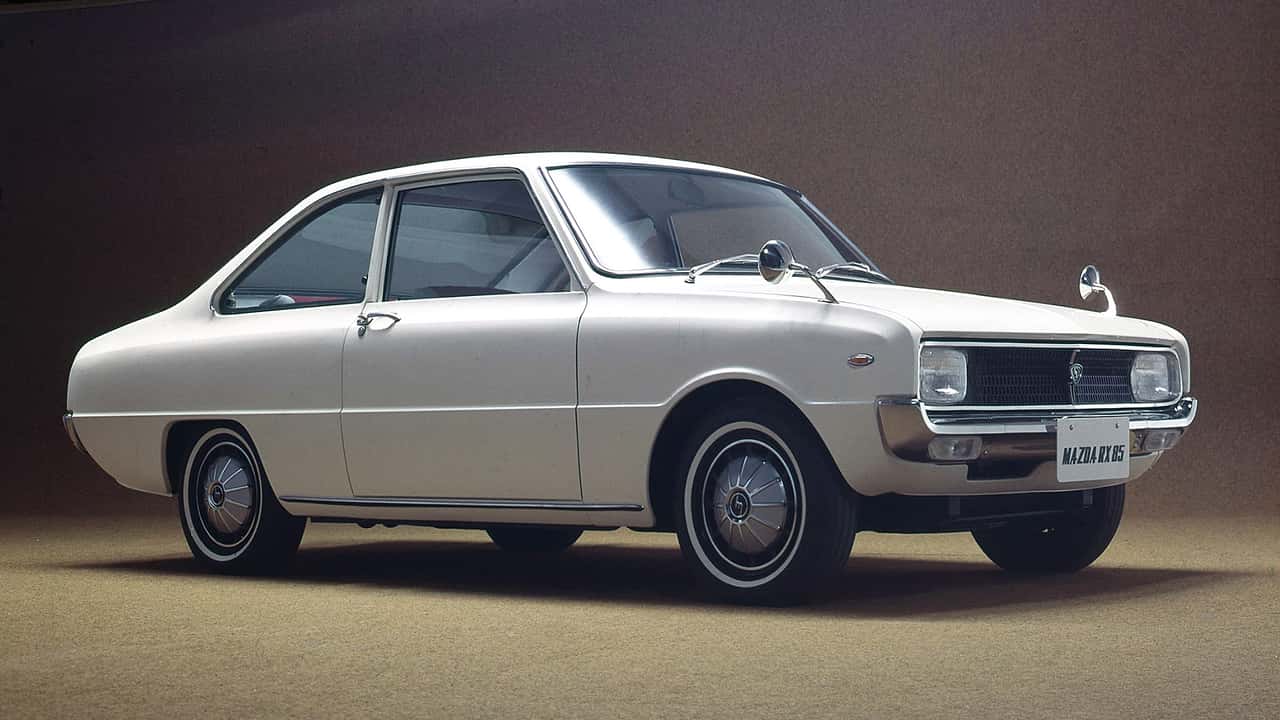
Presented in 1967, the RX-85 foreshadowed in every way the production model that would be launched just one year later. Measuring 3.83 m long, 1.48 m wide and 1.34 m high, this small coupé was powered by a twin-rotor Wankel engine capable of producing 100 PS at 7,000 rpm. Shortly afterwards, in July 1968, Mazda launched the Familia Rotary, available as a two-door coupé and a four-door saloon.

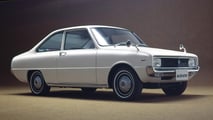
Mazda RX-85 (1967), front three-quarter view
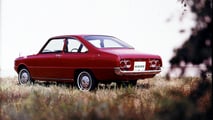
The car was powered by a 982cc rotary engine, while the coupé version was sold outside Japan as the R100, in reference to its 100 PS engine. The R100 has a unique design at the front, with a pointed bonnet and more prominent grille and bumper. At the rear, the twin round headlamps have been a distinctive feature of rotary-engined Mazdas for some time.
The merits of the rotary engine
In Japan, the installation of the rotary engine allowed buyers to save on road tax since they did not have to pay the higher tax reserved for engines with a displacement of more than 1 litre.
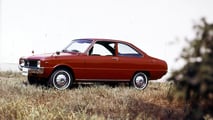
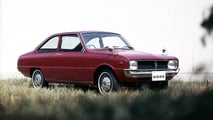
Mazda RX-85 (1967), rear three-quarter view
In 1973, Mazda replaced the 10A engine with the 12A to improve reliability and fuel economy, but the change meant that the car lost its tax advantage in Japan, leading to the decision to cease production in 1975.
Around the same time, the RX-85's successor, the R100, was one of the first Mazdas imported into the US, where it was sold in 1971 and 1972. However, due to US regulations, it was distributed in North America with round headlights, instead of the rectangular headlights found in other markets.
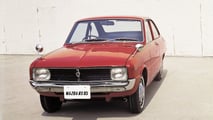
Mazda RX-85 (1967), front view
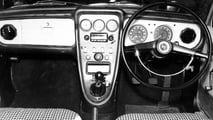
Mazda RX-85 (1967), the interior
Like the Cosmo Sport 110 S, the R100 marked only the beginning of Mazda's historic partnership with Wankel engines, which continued in subsequent years with numerous models, including the popular RX-7 sports car.
Mazda and the rotary engine:
Gallery: Mazda RX-85 (1967)
RECOMMENDED FOR YOU
Mazda Won't Let The Rotary Die. This Patent Could Make It More Efficient
Feds Expand Investigation Into GM's Troublesome V8 Engines
Mazda Pushes CX-30 Redesign To 2031
I Took Porsche's Manthey Taycan To The Nürburgring. It's A Different Animal: Driven
Mazda's Fictional Rotary Sports Car Is Returning With A Hardcore Version
These Car Wash Mistakes Could Seriously Damage Your Vehicle
Used Cars Under $20,000 Are Disappearing. And The Numbers Are Brutal