Electric cars have a new enemy: Charging station anxiety
Range and waiting times are less scary, but motorists fear that they will not find the right column for their needs
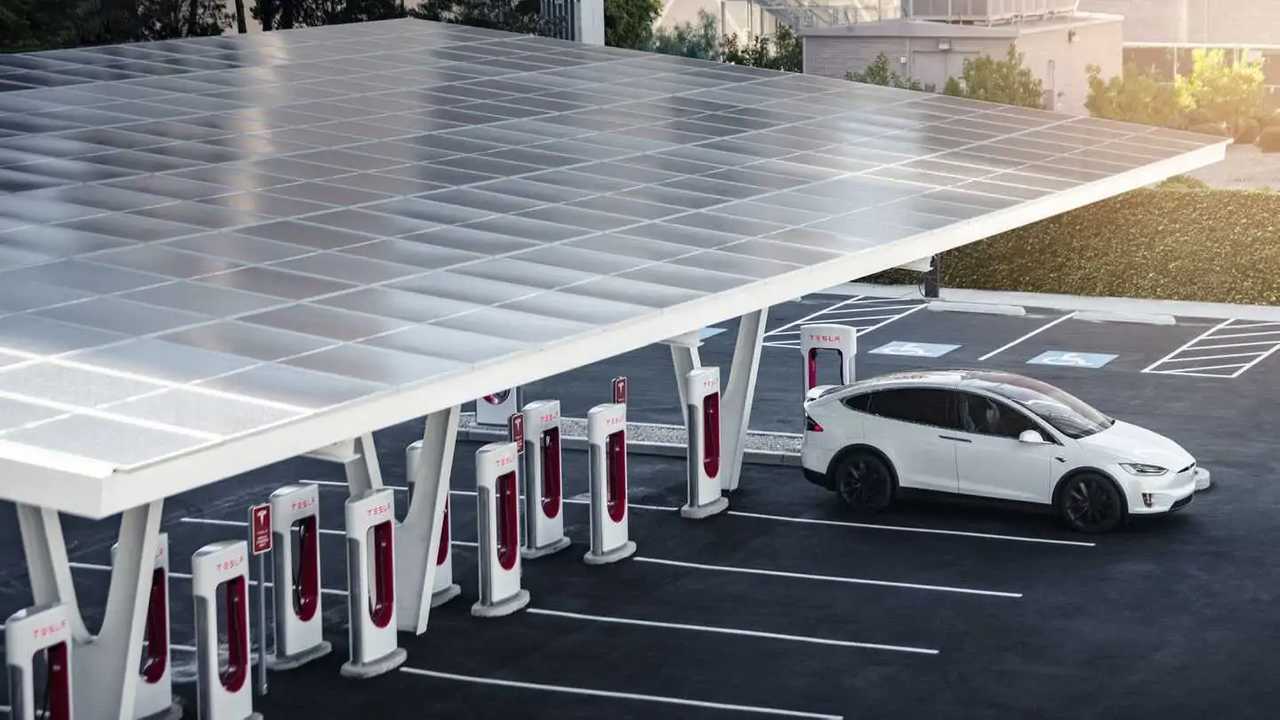

It used to be called range anxiety and charging anxiety. Now, one of the biggest worries of electric car drivers is charging station anxiety. In other words, once you get the hang of zero-emission mobility, managing range and waiting times are no longer a problem, but finding a charging station can be more difficult.
This is confirmed by several surveys conducted in Europe and the US in recent months. According to research conducted by Shell in 2024, 6 out of 10 European motorists would be willing to drive further to improve their charging experience. Manufacturers have recognised this and are trying to implement a number of initiatives to make charging less 'stressful'.
The more stations, the better
There are many aspects of charging that electric car manufacturers are trying to improve. The first is interoperability. Agreements with different charging network operators allow them to offer their customers more alternatives and thus more choice.

Mercedes is also building its own charging network
At the same time, many manufacturers are striving to make the tariffs charged at different charging points more transparent. Mercedes, for example, provides access to more than two million charging points around the world through its 'me Charge' app, highlighting prices, availability and nearby services for each one, so drivers can get accurate information about the station they are going to.
With 'me Charge', Mercedes also offers a range of tariff plans, allowing customers to choose the one that best suits their needs. The ability to tailor the charging plans to suit the driver makes the whole process more manageable.
All information in real time
Other manufacturers are partnering with charging companies to provide a better service. MINI, for example, has signed an agreement with Parkopedia, a company that also works with Volvo, Land Rover, Toyota, Peugeot, Ford and others, to display a range of charging station information on the car's central touchscreen.
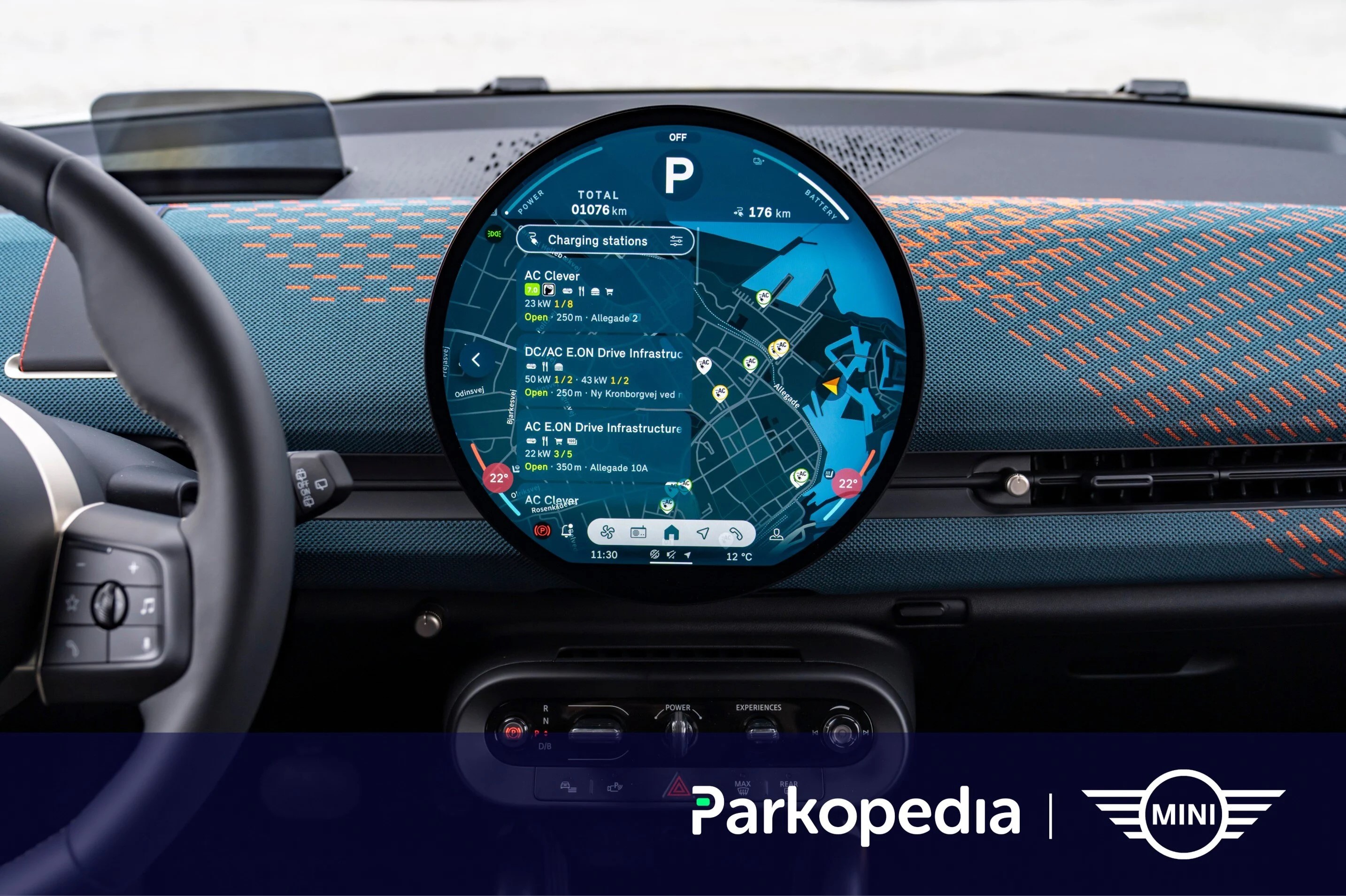
There are also user reviews, lists of nearby services and even photos of the car parks. Parkopedia also checks the technical characteristics of the charging stations in real time, which are sometimes updated as soon as the stations are in operation.
But there is one key fact in all this. According to a report published at the end of 2024 by the European Commission's Alternative Fuels Observatory, the Old Continent's charging network lacks stations, especially ultra-fast ones. A more extensive infrastructure would help alleviate the fear of charging stations.
This is why many are following Tesla's lead, which first built a reliable and extremely widespread charging network (it is the largest in the world) with its Superchargers, and then opened it up to other brands to turn it into a huge source of revenue.
About charging stations and infrastructure:
RECOMMENDED FOR YOU
The GR GT's Shaky Business Case Isn't Stopping Toyota From Making More Sports Cars
The 2027 Ram Power Wagon Finally Adds A Diesel, But It Loses Other Things: Driven
The Next Audi A3 Could Finally Bring Back The Quality That Made Audi Great
Daniel Craig’s 1959 Land Rover With Handwritten Note Hits Auction
Mercedes Boss Felt Like A 'Born-Again Christian' After Driving Electric AMG
Woman Drives A 'Lemon Law' Car. Then A Mechanic Approaches Her At Whole Foods With An Enticing Offer: 'Only Takes Me 15 Minutes'
US–Canada Trade Deal Collapses As Trucks Trigger 50% Tariffs Shock