Home
News
Technology
Recovering valuable materials from electronic waste
In the United States, researchers at Cornell University have developed a method to recover gold and reuse it
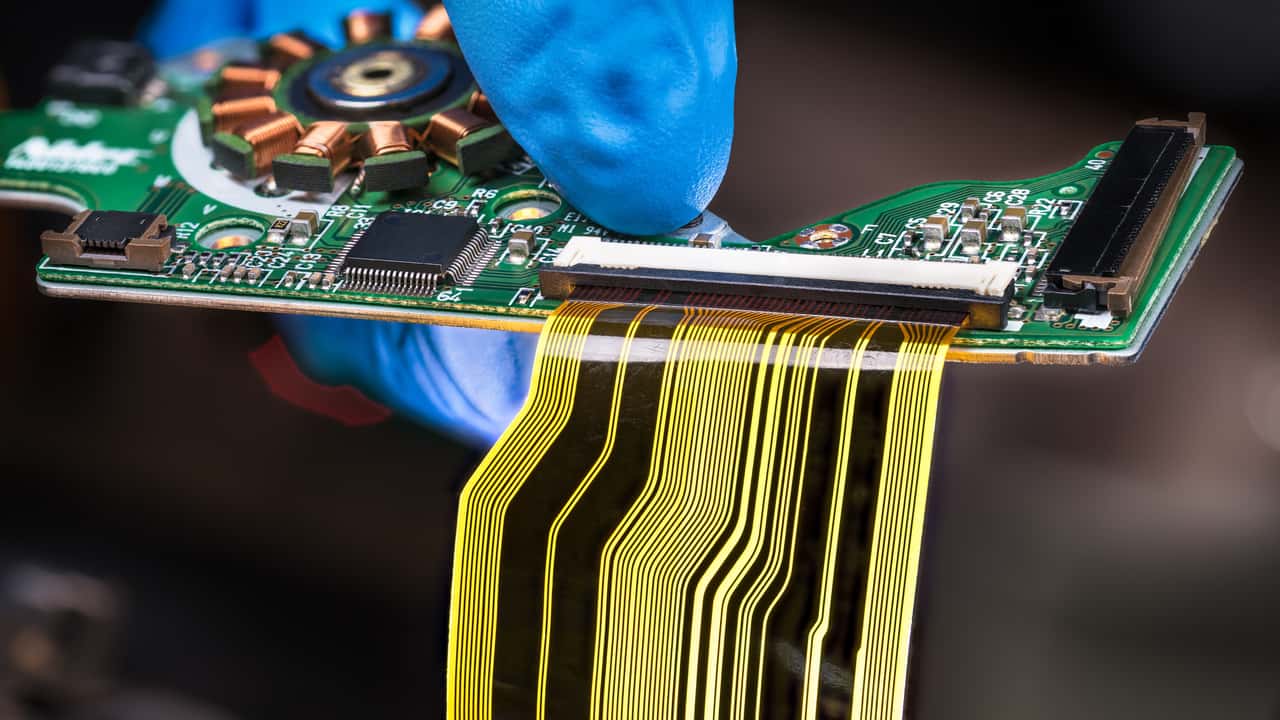
Photo by: Shutterstock

By: Eleonora Lilli
Published by: Brian Potter
Jan 6, 2025 at 4:11am ET
Add Motor1.com as a preferred source in Google
- (https://twitter.com/intent/tweet?url=https%3A%2F%2Fwww.motor1.com%2Fnews%2F746268%2Felectronics-waste-precious-metals-recovery%2F&text=Recovering%20valuable%20materials%20from%20electronic%20waste&via=motor1com)
- copy
Share
Comment
Electronic waste is everywhere. It is a growing environmental problem, but it is also a resource. In the United States, researchers at Cornell University have developed a method to recover gold from discarded electronics and reuse it, reducing greenhouse gas emissions.
Experts estimate that a tonne of e-waste contains at least ten times more gold than a tonne of conventional gold ore. However, the extraction of these metals has always required the use of environmentally harmful chemicals such as cyanide. This is why this new method deserves attention.
A greener alternative
The new approach to gold extraction does not use hazardous chemicals, but instead uses advanced materials known as vinyl bonded organic covalent structures (VCOFs). The researchers were able to selectively capture 99.9% of the gold from the circuit boards of discarded electronic devices, even avoiding contamination with other metals such as nickel or copper.
The environmental benefit is twofold: not only are CO2 emissions reduced, but after the gold is mined, VCOFs allow the recovered precious metal to act as a catalyst in the conversion of carbon dioxide (CO2) into useful organic chemicals.
What do you think?
View
Comments
A sustainable circular economy
Turning discarded equipment into valuable resources means moving towards a sustainable circular economy, but research alone is not enough. While researchers continue to work and develop innovative solutions like this one, there is a need for supportive political intervention.
Resources and investment are needed to raise awareness of the importance of recycling electronic equipment. Will 2025 be a breakthrough year?
Learn more about industrial recycling:
 BMW recycles battery raw materials without chemicals and thermal methods
First factory opens for recycling Mercedes electric car batteries
VW Group to recycle EV batteries in new UK facility
More and more carmakers are recycling metals: here's how and why
We want your opinion!
What would you like to see on Motor1.com?
Take our 3 minute survey.
- The Motor1.com Team
Share this Story
- (https://twitter.com/intent/tweet?url=https%3A%2F%2Fwww.motor1.com%2Fnews%2F746268%2Felectronics-waste-precious-metals-recovery%2F&text=Recovering%20valuable%20materials%20from%20electronic%20waste&via=motor1com)
- copy
GO TO COMMENTS
(
)
Got a tip for us? Email: tips@motor1.com
View all comments ( )
Popular
The Rotary Engine Should Be Everywhere. Why Isn't It?
The 2027 BMW X5 Is Hugely Improved Where It Matters Most: Driven
Toyota's Next Mid-Engined Coupe Is Going Racing This Weekend
Alfa Romeo Has Had It With Huge Screens Inside Cars, Says They'll Inevitably Become Obsolete
Subaru Teases A New Manual WRX, But Only For Japan
latest articles
- Porsche Builds A Rare 911 GT3 To Celebrate 75 Years In Britain Oct 23 - Special Editions -
- Mechanic Asks To Do Pre-Purchase Inspection On Ford. Then The Salesman Says Something Shocking Oct 23 - Trending -
- Volvo Blames 'A Very Tough Environment' As It Cuts Another 2,500 Jobs Oct 23 - Corporate / Financial -
- 2027 Subaru Outback Base Trim Returns, Lowering Price Oct 23 - Pricing -
- Alfa Romeo Has Had It With Huge Screens Inside Cars, Says They'll Inevitably Become Obsolete Oct 23 - Technology -
- Audi Q9 Debuts World-First Curved OLED Taillights Oct 23 - Technology -
- Man Lets The Dealership Think He Wants To Trade In His Car. Then He Plays Their Service Department To Score A Deal Oct 23 - Trending -
RECOMMENDED FOR YOU
Audi Is The First To Offer Spotify As A Native App Without Your Phone
The New Lexus LFA Inches Closer To Production With Fresh Spy Photos
GM Is Turning OnStar Into An AI Assistant For Your Car
Remember Aston Martin's Weird Little City Car? There's A Reason It Existed
Mercedes Isn't Sold On Extended-Range EVs: 'Would You Really Switch?'
The BMW iX5 Makes A Strong Case Against The Gas X5: Driven
Tesla Flips The Roadster Upside Down In Crazy Flying Demo