Home
Features
Motor101
When Did Cars Get Power Windows?
Power windows first appeared in 1941, but it took decades for this once-expensive luxury feature to become standard in everyday cars.

Dan Mihalascu 
By: Dan Mihalascu
Nov 29, at 12:00pm ET
Add Motor1.com as a preferred source in Google
- (https://twitter.com/intent/tweet?url=https%3A%2F%2Fwww.motor1.com%2Ffeatures%2F816709%2Fwhen-did-cars-get-power-windows-history%2F&text=When%20Did%20Cars%20Get%20Power%20Windows%3F&via=motor1com)
- copy
Share
Comment
Power windows are one of those car features most drivers take for granted. With the push of a button, you can open or close a window without reaching for a hand crank, but this seemingly simple convenience was once considered a major luxury. Today, it's difficult to imagine buying a modern car without electric windows.
The technology has been around for considerably longer than many motorists might expect. The first widely recognized production power windows appeared in 1941, when Packard introduced a hydraulic-electric system in its luxury cars. However, the technology didn't become fully electric until the early 1950s, and it took several more decades before power windows became commonplace across the industry.
When Were Power Windows First Introduced?
Power windows first appeared in production cars in the 1941 model year, thanks to American luxury automaker Packard. The company introduced its Hydro-Electric system on the Packard 180, allowing occupants to raise and lower the windows using switches rather than traditional hand cranks.
Interestingly, these early power windows weren't entirely electric in the way we're familiar with today. Instead, an electrically operated hydraulic pump generated pressure that moved cylinders inside the doors, raising and lowering the glass.
The system was developed from technology already being used to operate convertible tops and power seats. It was an impressive engineering achievement for its time, although its complexity and cost meant it was reserved for expensive vehicles.
Ford quickly followed with a similar system on select 1941 Lincoln Custom models, including limousines and seven-passenger sedans. Power windows were still a rare luxury, but the idea had officially arrived in the automotive world.
When Did Power Windows Become Fully Electric?
Although Packard pioneered power-operated windows, its hydraulic system was complicated and expensive to maintain. It relied on pumps, fluid lines, and cylinders, which could develop leaks and required considerable space inside the vehicle.
The next major breakthrough arrived in 1951, when Chrysler introduced fully electric power windows in the Imperial. Instead of relying on hydraulic pressure, the system used individual electric motors to move the window regulators.
This was a significant improvement because electric motors were easier to package and eliminated the need for an extensive hydraulic network. Ford, General Motors, and Chevrolet followed with their own electric window systems during the 1950s, helping the technology become more practical and accessible.
When Did Power Windows Become Common In Cars?
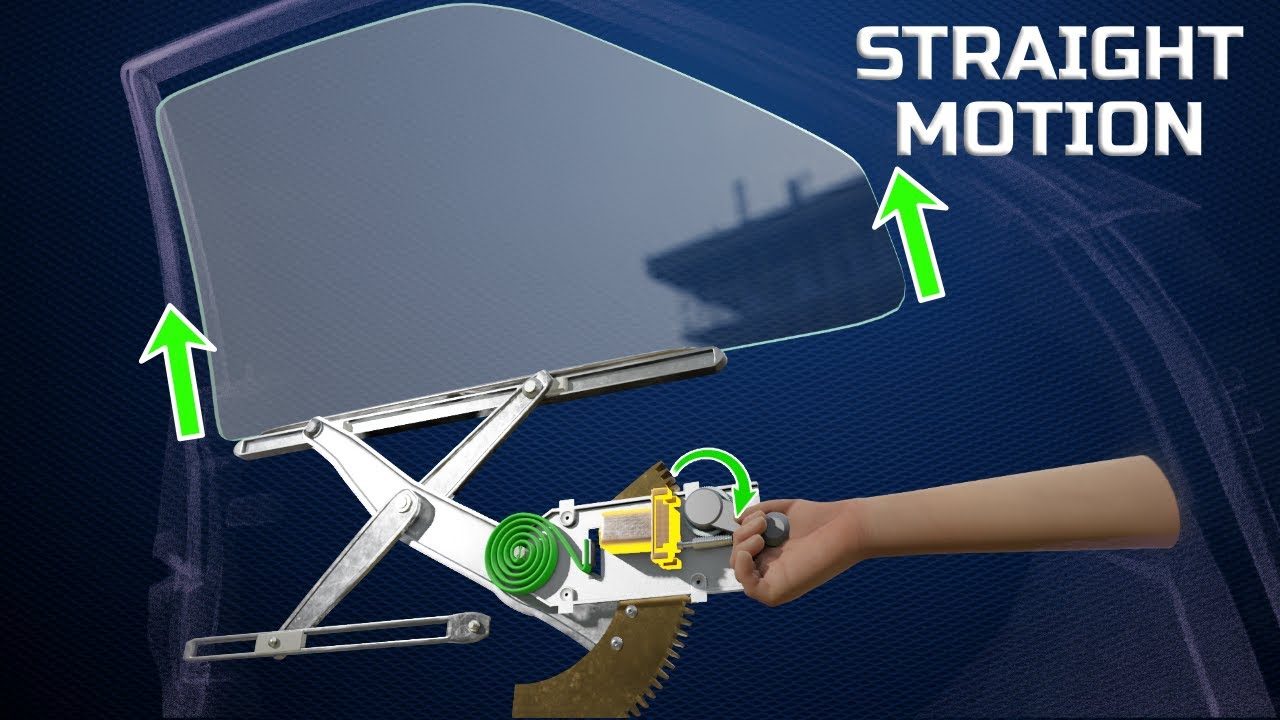
For several decades, power windows remained primarily associated with luxury vehicles. Automakers initially offered them on expensive models because the technology added manufacturing costs and was considered a premium convenience.
Cadillac helped push the feature further during the 1960s by offering power windows as standard equipment on its Fleetwood line. Other manufacturers gradually followed, introducing electric windows on increasingly affordable models.
By the 1970s and 1980s, power windows had become much more common, particularly in midrange and upscale vehicles. However, manual window cranks remained available on many inexpensive cars, basic trim levels, and commercial vehicles.
The transition wasn't immediate. Some manufacturers continued offering hand-operated windows well into the 2000s, particularly on entry-level models where keeping prices down was more important than adding convenience features.
How Did Power Windows Evolve Over the Years?
Modern power windows are considerably more sophisticated than the hydraulic systems introduced by Packard. The technology has evolved through several important developments:
- 1941: Packard introduces its Hydro-Electric power window system on the 180 series.
- 1951: Chrysler introduces fully electric power windows in the Imperial.
- 1960s: Cadillac and other luxury manufacturers expand the availability of electric windows.
- 1970s–1980s: Power windows become increasingly common in mainstream passenger cars.
- 1990s–2000s: One-touch operation, automatic window closing, and anti-pinch protection become increasingly available.
- Today: Power windows are standard equipment on the overwhelming majority of new passenger cars, with electronic controls and safety features integrated into the door systems.
One of the biggest improvements has been the introduction of anti-pinch technology, which can detect resistance when a window is closing and automatically reverse its movement. This helps prevent injuries, particularly involving children.
What Do Drivers And Passengers Think About Power Windows?
Power windows might be standard equipment today, but Reddit discussions show that not everyone prefers them. In a thread on r/cars, users discussed how manual window cranks have nearly disappeared, sharing examples of relatively modern vehicles that still offered them.
Others have a more nostalgic attachment to traditional window controls. In discussions on r/regularcarreviews and r/MitsubishiEvolution, enthusiasts debated the simplicity, reliability, and potential weight savings of manual windows compared with electric alternatives.
Not everyone considers power windows an upgrade, either. In a discussion on r/The10thDentist, users complained about electrical failures and expensive repairs, arguing that traditional hand cranks were simpler and easier to maintain. It shows that even a feature that's become almost universal in modern cars still has its critics.
Are Manual Window Cranks Still Available In Modern Cars?
Although power windows dominate the automotive market, manual window cranks haven't completely disappeared. Some manufacturers have continued using them on basic commercial vehicles and entry-level models to reduce costs and simplify equipment.
One notable example is the Jeep Wrangler and Gladiator, which retained manually operated windows on certain versions until the 2025 model year. Interestingly, the possibility of bringing crank-operated windows back has also resurfaced with newer budget-focused vehicle projects, such as the all-electric Slate Truck.
What do you think?
View
Comments
There are some practical advantages to manual windows. They are mechanically simpler, don't depend on electrical motors, and can be cheaper to repair. However, most modern buyers prefer the convenience of electric operation.
Power windows have come a long way since Packard introduced its hydraulic-electric system more than 80 years ago. What was once an expensive luxury feature is now something most motorists expect, even in relatively inexpensive cars. It's a reminder that some of the automotive features we barely notice today started as remarkable engineering innovations reserved for the wealthiest buyers.
More From Motor101
 Your Engine Can't Do Its Job Without A Transmission
All-Season Vs All-Weather Tires: What’s The Difference?
How Does A Turbocharger Actually Make More Power?
No, BMW's Logo Isn't Actually An Airplane Propeller
We want your opinion!
What would you like to see on Motor1.com?
Take our 3 minute survey.
- The Motor1.com Team
Share this Story
- (https://twitter.com/intent/tweet?url=https%3A%2F%2Fwww.motor1.com%2Ffeatures%2F816709%2Fwhen-did-cars-get-power-windows-history%2F&text=When%20Did%20Cars%20Get%20Power%20Windows%3F&via=motor1com)
- copy
GO TO COMMENTS
(
)
Got a tip for us? Email: tips@motor1.com
View all comments ( )
Popular
12 Underrated Performance Cars That Nobody Bought
The On-Again-Off-Again TVR Griffith Is Back
This Massive Off-Road Camper Has a Washing Machine. And Two Kitchens
What Happens To Concept Cars After The Auto Show Is Over?
BBC Wanted Richard Hammond Back On Top Gear. He Refused
Latest Stories
- When Did Cars Get Power Windows? Nov 29 - Motor101 -
- McLaren Sues Gordon Murray Over Copied Car Designs Nov 29 - Design -
- He Bought an $800 Toyota, Then Drove It 2,600 Miles With an ATV on the Roof Nov 29 - Aftermarket / Tuning -
- Your Car's Front And Rear Tires May Need Different Pressure. Here's Why Nov 28 - Motor101 -
- Where Did BMW's Iconic Kidney Grille Come From? Nov 28 - Motor101 -
- A Car Dealer Spent 40 Years Collecting Muscle Cars. Now He's Ready To Sell Nov 28 - Classics -
- Michelin's Winter Tires Were Put To The Test. The Results Reveal Some Surprising Differences Nov 28 - Tires -
RECOMMENDED FOR YOU
Your Car's Front And Rear Tires May Need Different Pressure. Here's Why
McLaren Sues Gordon Murray Over Copied Car Designs
Where Did BMW's Iconic Kidney Grille Come From?
He Bought an $800 Toyota, Then Drove It 2,600 Miles With an ATV on the Roof
Android Auto Keeps Disconnecting? Here's What Might Be Wrong
A Car Dealer Spent 40 Years Collecting Muscle Cars. Now He's Ready To Sell
What Happens To Concept Cars After The Auto Show Is Over? Sadly, Not All Of Them Survive