Home
Features
Motor101
Running Out Of Gas Once Probably Won't Hurt Your Car. Making It A Habit Might
Running your tank completely dry might do more than leave you stranded. Here's what happens under the hood when you run out of gas.
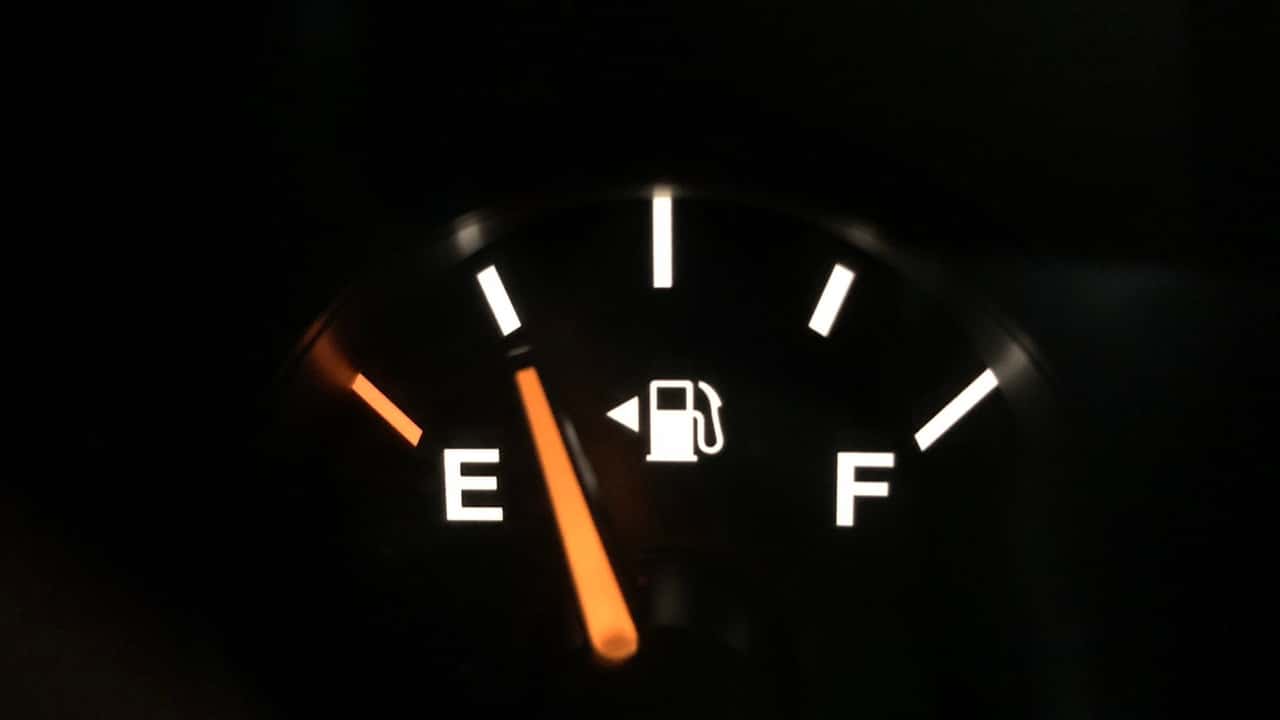
Photo by: Getty Images
Dan Mihalascu 
By: Dan Mihalascu
Nov 18, at 9:26pm ET
Add Motor1.com as a preferred source in Google
- (https://twitter.com/intent/tweet?url=https%3A%2F%2Fwww.motor1.com%2Ffeatures%2F815825%2Fis-it-bad-to-let-your-car-run-out-of-gas%2F&text=Running%20Out%20Of%20Gas%20Once%20Probably%20Won%27t%20Hurt%20Your%20Car.%20Making%20It%20A%20Habit%20Might&via=motor1com)
- copy
Share
Comment
We've all been there. The fuel warning light comes on, the dashboard says you have just a few miles of range left, and you convince yourself there's probably enough gas to make it to the next station. Sometimes that gamble pays off. Other times, you end up stranded on the side of the road, wondering whether you just did something terrible to your car.
But beyond the inconvenience, is running out of gas actually harmful to your vehicle? The short answer is yes, it can be, although the consequences depend on the type of car you drive and how often it happens. Modern fuel systems are designed to operate with a certain amount of gasoline in the tank, and repeatedly pushing your car until the engine stops is not exactly a good maintenance strategy.
Your Fuel Pump Needs Gas To Stay Cool
One of the biggest reasons you shouldn't regularly run your car's tank completely dry is the fuel pump. In most modern gasoline-powered vehicles, the electric fuel pump sits inside the fuel tank, where the surrounding gasoline helps cool and lubricate it.
When the tank gets extremely low, the pump can become more exposed, particularly when fuel sloshes away from it during cornering, braking, or driving on an incline. Running completely out of gas can also cause the pump to operate without the fuel it needs to function properly, as Delphi Technologies points out.
That doesn't mean your fuel pump will immediately fail the first time you run out of gas. However, repeatedly allowing the tank to run dry can increase wear and potentially shorten its service life. Considering that replacing a fuel pump can be an expensive repair, it's an unnecessary risk.
Running Out Of Gas Can Cause Other Problems
The fuel pump is not the only component that can be affected. When a vehicle runs out of gasoline, the engine stops receiving the fuel it needs for combustion. Depending on the vehicle, restarting it afterward may require more than simply pouring a few gallons into the tank. Some potential issues include:
- Fuel system air pockets: Certain fuel systems may need to be primed before the engine will restart properly.
- Debris entering the fuel system: Sediment and contaminants can accumulate at the bottom of a tank, although modern fuel pickups and filters are designed to help prevent them from reaching the engine.
- Catalytic converter stress: If an engine misfires or sends unburned fuel into the exhaust during repeated restart attempts, the catalytic converter could potentially be damaged.
- Diesel fuel system problems: Running a diesel completely dry can introduce air into the fuel system, sometimes requiring a more involved bleeding or priming procedure before the engine will start again.
The good news is that a single incident doesn't automatically mean your car needs repairs. In many cases, adding fuel and following the manufacturer's restarting procedure is enough.
Your Car Won't Necessarily Restart Immediately
If you've run out of gas, don't assume that adding fuel will make the engine fire up instantly. Some vehicles may restart normally after a few attempts, while others require the fuel system to restore pressure before the engine can run again.
Diesel vehicles can be particularly troublesome in this situation. Many modern diesel engines use high-pressure fuel injection systems that are sensitive to air entering the fuel lines. Depending on the design, bleeding or priming the system may be necessary.
Gasoline-powered vehicles generally have an easier time recovering from an empty tank, but repeatedly cranking the starter is not a good idea. It can drain the battery and put unnecessary strain on the starter motor. Check your owner's manual for the correct procedure, and seek assistance if the engine refuses to start.
Is Driving With The Fuel Light On Just As Bad?
Not necessarily. The fuel warning light is designed to give you advance notice that your tank is getting low, not to indicate that your car is already running on fumes. Most manufacturers reserve some fuel after the warning appears, although the amount varies considerably between vehicles.
However, consistently driving with very little gasoline in the tank is not ideal. Fuel can move away from the pump pickup during hard cornering or on steep roads, potentially causing temporary fuel starvation even when the tank is not completely empty.
There's also the practical problem of inaccurate range estimates, as AAA testing has revealed. Your dashboard's remaining-range calculation is just an estimate based on recent fuel consumption and other factors. Traffic, hills, weather, and driving style can all affect how far you actually get.
Drivers Share Their Experiences
Running out of gas is more common than you might think, and Reddit has plenty of drivers sharing stories about getting stranded with an empty tank. In one r/cars discussion, drivers debated whether running out of fuel could actually kill a fuel pump. The general consensus was that one incident is unlikely to cause immediate failure, but repeatedly running low can accelerate wear.
Other drivers have shared less fortunate experiences. In an r/Cartalk thread, a Kia Carnival owner described struggling to restart the minivan even after adding several gallons of gasoline. Commenters suggested possible fuel pump damage or problems with the fuel system.
There's also the temptation to see just how far a car can go after the range indicator reaches zero. In an r/cars discussion, drivers compared how much reserve fuel their vehicles appeared to have left. While some reported traveling several more miles, the experiences highlight why relying on the remaining-range estimate is a gamble rather than a sensible refueling strategy.
What Should You Do If Your Car Runs Out Of Gas?
If your engine suddenly stops because you've run out of fuel, the first priority is getting yourself and your vehicle somewhere safe. Losing engine power can also mean losing power assistance for the steering and brakes, making the car harder to control.
Once you're safely stopped, switch on your hazard lights and arrange for fuel or roadside assistance. Don't attempt to walk along a busy highway carrying a fuel container unless it's safe and legally permitted.
What do you think?
View
Comments
After adding the recommended fuel, follow the restarting instructions in your owner's manual. If the engine doesn't start after a reasonable attempt, avoid repeatedly cranking it and contact a mechanic or roadside assistance provider.
Ultimately, running out of gas once probably won't spell disaster for your car. But repeatedly treating the fuel warning light like a countdown challenge can put unnecessary stress on the fuel system and leave you with a repair bill that could have been avoided. The simplest solution is also the cheapest: refuel before the tank gets dangerously low.
More From Motor101
 Cupholders In Cars Weren't Always A Thing
As Hybrid Sales Climb, Here's What Drivers Should Know About Their Gas Engines
Your Car Has A Redline. What Happens If You Exceed It?
What Is A Solid-State Battery, And Why Is Everyone Talking About It?
We want your opinion!
What would you like to see on Motor1.com?
Take our 3 minute survey.
- The Motor1.com Team
Share this Story
- (https://twitter.com/intent/tweet?url=https%3A%2F%2Fwww.motor1.com%2Ffeatures%2F815825%2Fis-it-bad-to-let-your-car-run-out-of-gas%2F&text=Running%20Out%20Of%20Gas%20Once%20Probably%20Won%27t%20Hurt%20Your%20Car.%20Making%20It%20A%20Habit%20Might&via=motor1com)
- copy
GO TO COMMENTS
(
)
Got a tip for us? Email: tips@motor1.com
View all comments ( )
Popular
12 Cars That Should Easily Make It To 250,000 Miles
Cadillac XT6 Is Returning, And It Won't Be An EV. Here's Everything We Know
Nissan Reveals One Key Design Detail About The Next GT-R
Toyota's New Small Truck Is A Corolla Cross With A Bed
Toyota's Tiny Pickup Could Come To America As A $25,000 Import
Latest Stories
- Running Out Of Gas Once Probably Won't Hurt Your Car. Making It A Habit Might Nov 18 - Motor101 -
- Mercedes Admits It Went Too Far With Screens. But Digital Controls 'Still Feel Right' Nov 18 - Technology -
- America's Speed Limits Make No Sense Nov 18 - Motor101 -
- Toyota's Tiny Pickup Could Come To America As A $25,000 Import Nov 18 - Official -
- Cadillac XT6 Is Returning, And It Won't Be An EV. Here's Everything We Know Nov 18 - Everything We Know -
- Toyota's New Small Truck Is A Corolla Cross With A Bed Nov 18 - Official -
- What Actually Happens When You Press Your Car's Brake Pedal? Nov 18 - Motor101 -
RECOMMENDED FOR YOU
America's Speed Limits Make No Sense
Mercedes Admits It Went Too Far With Screens. But Digital Controls 'Still Feel Right'
What Actually Happens When You Press Your Car's Brake Pedal?
Toyota's Tiny Pickup Could Come To America As A $25,000 Import
Cupholders In Cars Weren't Always A Thing
Cadillac XT6 Is Returning, And It Won't Be An EV. Here's Everything We Know
As Hybrid Sales Climb, Here's What Drivers Should Know About Their Gas Engines