Home
Ferrari
Luce
News
Ferrari's First EV Was So Quick, It Needed NASA's Help
Ferrari didn't want the Luce's acceleration to disturb the passengers, so it went to the experts.
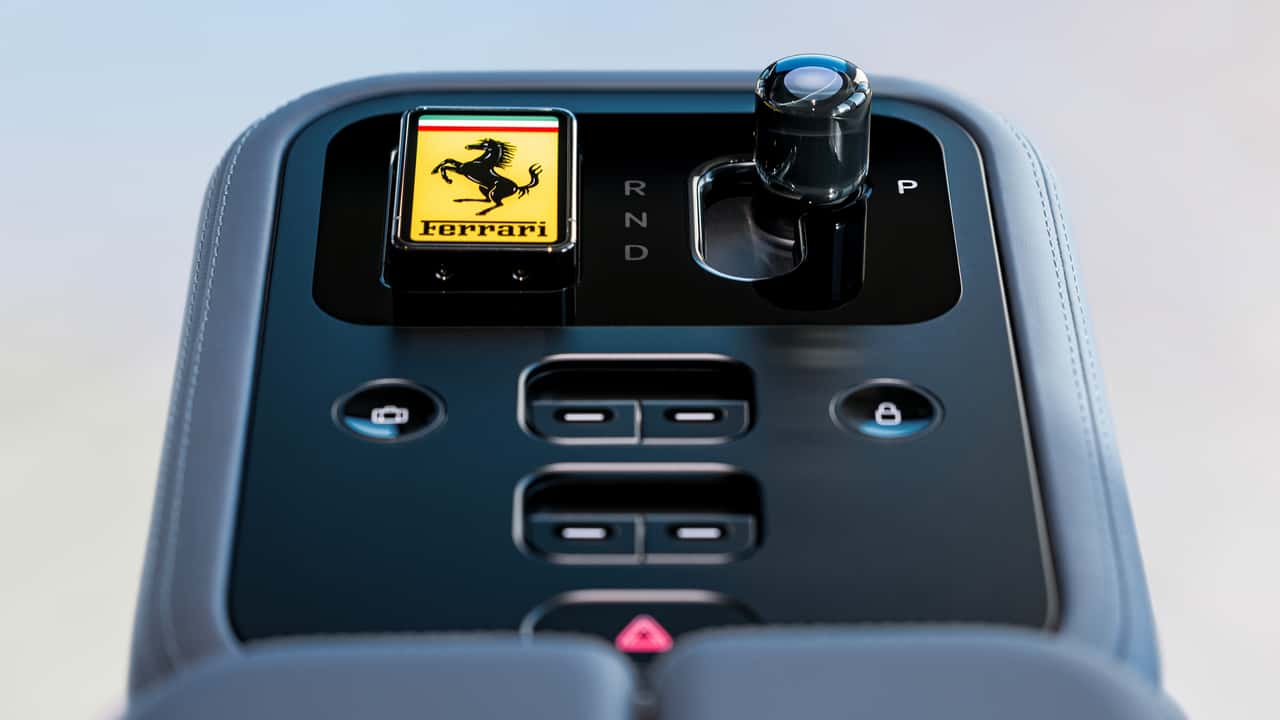
Photo by: Ferrari
Anthony Alaniz 
By: Anthony Alaniz
Apr 10, at 3:00pm ET
Add Motor1.com as a preferred source in Google
- (https://twitter.com/intent/tweet?url=https%3A%2F%2Fwww.motor1.com%2Fnews%2F792657%2Fferrari-luce-ev-acceleration-nasa%2F&text=Ferrari%27s%20First%20EV%20Was%20So%20Quick%2C%20It%20Needed%20NASA%27s%20Help&via=motor1com)
- copy
Share
Comment
THE
- Ferrari consulted medical experts and NASA about the car’s acceleration.
- The automaker did not want to disturb the passengers.
- The Luce will sprint from zero to 62 miles per hour in 2.5 seconds.
Ferrari is readying its first electric vehicle and needed some help developing it. It collaborated with LoveFrom, the creative collective founded by Sir Jony Ive, Apple’s former design chief, to design the cabin. The automaker also had to reach out to NASA to ensure the EV’s acceleration didn’t disturb the passengers.
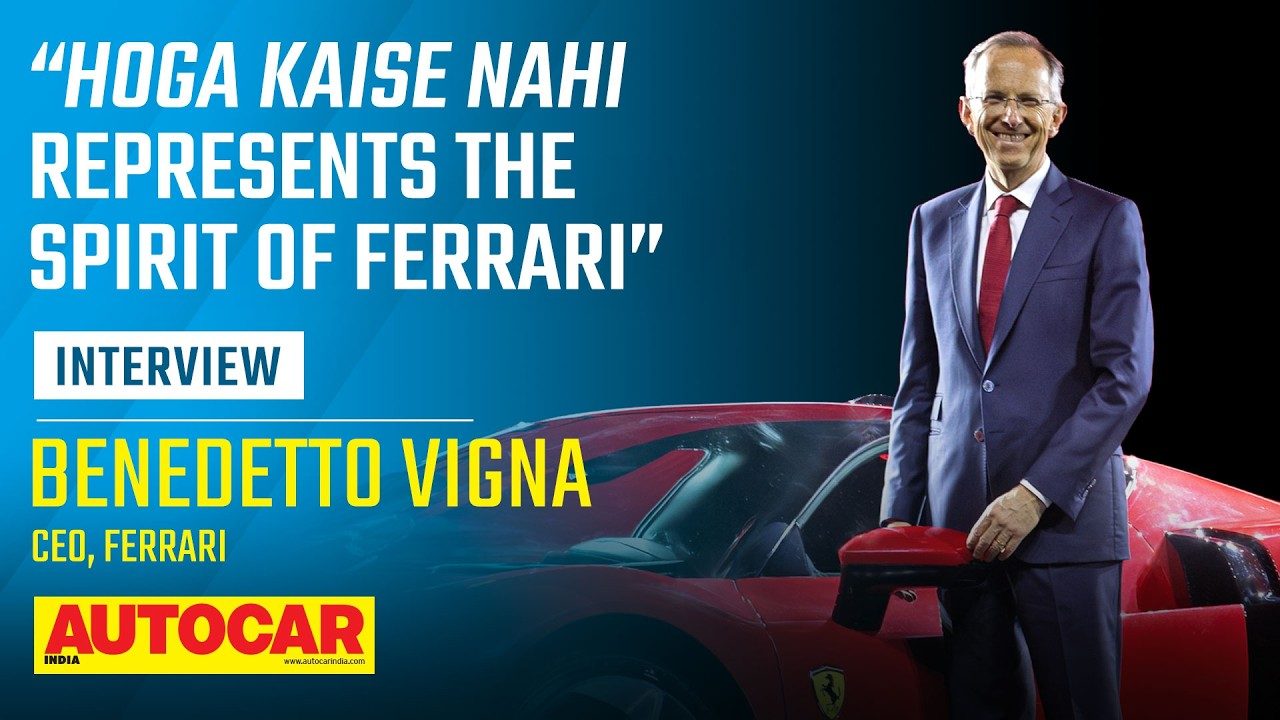
In an interview with Autocar India, Ferrari CEO Benedetto Vigna told the publication that EVs can accelerate at such a powerful rate that "sometimes it’s disturbing our brain," so the automaker reached out to experts. It conducted medical studies in addition to working with NASA.
According to Vigna, the automaker wanted to find out, "What is the level of acceleration that is disturbing to people?" Too much acceleration isn’t necessarily a good thing, and he added that it just makes you wait "for the time to stop the acceleration."
Despite consulting NASA and other medical experts, the Ferrari Luce will be quick.
Gallery: Ferrari Luce 2026: The Interior

21
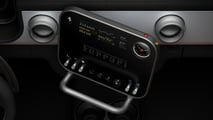
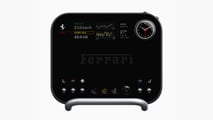
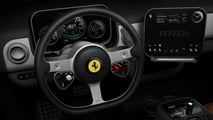
Source: Ferrari
Luce Performance Details
Ferrari’s slow rollout of its first EV has already revealed some preliminary information about the model. Back in October, the automaker claimed the EV would make over 986 horsepower and sprint from zero to 62 miles per hour in 2.5 seconds with a top speed of 192 mph.
It will have four electric motors and a 122.0-kilowatt-hour battery. It will have independent rear-wheel steering and the active suspension system from the Purosangue and F80.
What do you think?
View
Comments
We have already seen the interior, which has physical buttons and switches. We expect Luce to debut sometime this year.
Motor1’s Take: Electric vehicles are known for their quick acceleration. It doesn't sound like Ferrari is afraid of being too quick, but instead, wants to offer an engaging driving experience that goes beyond pure power. We will have to see if NASA's assistance helped or hindered the vehicle when it goes on sale.
Catch The Latest Ferrari News:
Ferrari Boss: Touch Buttons Cost Half As Much As Physical Controls
Ferrari Will Replace Your Touch-Capacitive Steering Wheel Controls With Real Buttons
Ferrari Amalfi Spider Revealed: 631 Horsepower And No Roof
Ferrari Is Cooking Up A Hotter V12 SUV With A Meaner Purosangue

Stay informed with our newsletter every weekday
back
Subscribe For more info, read our Privacy Policy & Terms of Use.
Source: Autocar India / YouTube via Drive.com.au
We want your opinion!
What would you like to see on Motor1.com?
Take our 3 minute survey.
- The Motor1.com Team
Share this Story
- (https://twitter.com/intent/tweet?url=https%3A%2F%2Fwww.motor1.com%2Fnews%2F792657%2Fferrari-luce-ev-acceleration-nasa%2F&text=Ferrari%27s%20First%20EV%20Was%20So%20Quick%2C%20It%20Needed%20NASA%27s%20Help&via=motor1com)
- copy
GO TO COMMENTS
(
)
Got a tip for us? Email: tips@motor1.com
View all comments ( )
Popular
12 Cars With Names That Make Absolutely No Sense
BMW Kept This Hatchback A Secret For Decades
Bugatti Restores One-Off Veyron With A Mirror-Like Aluminum Body
The Gas BMW M3 Isn't Dead: Next-Gen Prototype Roars
latest articles
- Photos: Porsche's Mission S Concept Takes Over New York City Oct 20 - Design -
- The 2027 Honda Passport TrailSport Looks Noticeably Taller Next To Last Year's Model Oct 20 - Off-Road -
- 12 Cars With Names That Make Absolutely No Sense Oct 20 - Lists -
- The Ford Ranger Is Getting A Bigger V6 For 2027: Report Oct 20 - Rumors -
- BMW Already Has A Deal On The New i3. But It's Not Cheap Oct 20 - Pricing -
- Remember The Ford Flex? This Weird SUV Is Now A Great Used Buy Oct 20 - Why Buy? -
- Mercedes Isn't Sold On Extended-Range EVs: 'Would You Really Switch?' Oct 20 - Interview -
RECOMMENDED FOR YOU
Jeff Bezos Gave Ferrari The Push It Needed To Build The Luce EV
12 Cars With Names That Make Absolutely No Sense
Man Buys Ferrari. Then His Fiance Takes It For A Spin: 'I Don't Know If He's Gonna Be Mad...'
The Ford Ranger Is Getting A Bigger V6 For 2027: Report
Ferrari F50 With 106 Miles Heading For A $20 Million Auction
BMW Already Has A Deal On The New i3. But It's Not Cheap
Daytona SP3 Values Explode With A $26 Million Charity Sale