Home
Features
Motor101
These Defensive Driving Habits Could Save You From A Crash
Defensive driving helps you foresee dangers, avoid crashes, and stay safer on the road with simple habits every driver should master.
Photo by: Mini
Dan Mihalascu 
By: Dan Mihalascu
Oct 25, at 9:00am ET
Add Motor1.com as a preferred source in Google
- (https://twitter.com/intent/tweet?url=https%3A%2F%2Fwww.motor1.com%2Ffeatures%2F812923%2Fwhat-defensive-driving-is-and-why-you-should-master-it%2F&text=These%20Defensive%20Driving%20Habits%20Could%20Save%20You%20From%20A%20Crash&via=motor1com)
- copy
Share
Comment
Whether you drive through busy city streets every day or spend hours on the highway, developing defensive driving habits can make a meaningful difference in how safely you get from one place to another.
The reality is that you cannot control what everyone else does behind the wheel. Another driver might brake unexpectedly, change lanes without signaling, or misjudge the distance between vehicles. What you can control is how prepared you are to respond.
What Is Defensive Driving?
Defensive driving is a driving approach built around awareness, anticipation, and risk management. Rather than reacting only when a dangerous situation develops, defensive drivers actively look for potential problems and adjust their behavior to reduce the chances of a collision.
That means paying attention to more than the vehicle immediately ahead. You should monitor traffic farther down the road, check your mirrors regularly, watch for pedestrians and cyclists, and remain alert to vehicles approaching from side streets or entering your lane.
A key part of this approach is recognizing that other road users will not always behave as expected. Even if you have the right of way, another driver might fail to yield. Even if the road appears clear, a pedestrian could step into a crossing. Defensive driving means preparing for these possibilities instead of assuming everyone will make the right decision.
It also involves understanding your own limitations. Fatigue, distraction, poor visibility, and slippery surfaces can affect your ability to react. A defensive driver accounts for these factors and adjusts accordingly.
Why Is Defensive Driving So Important?
Defensive driving can help reduce the risk of collisions by giving you more opportunities to recognize hazards and respond safely. One of its biggest advantages is time: maintaining a suitable following distance and looking farther ahead can help you identify trouble before you need to make an emergency maneuver.
It can also help reduce the likelihood of becoming involved in a collision caused by another driver's mistake. If someone brakes suddenly in front of you, having enough space to slow down can be much safer than following too closely. If a vehicle begins drifting into your lane, noticing it early allows you more time to assess your options.
These habits become particularly important in challenging conditions. Rain, snow, fog, darkness, and glare can reduce visibility or traction, making it harder to judge distances and stop safely. Defensive drivers respond by slowing down when appropriate, increasing following distances, and avoiding sudden inputs that could cause a loss of control.
There is also a psychological benefit. Defensive driving encourages patience and discourages aggressive responses to other motorists. Rather than competing with an impatient driver or reacting emotionally to a mistake, you focus on maintaining a safe distance and avoiding unnecessary conflict.
The Defensive Driving Habits Every Motorist Should Master
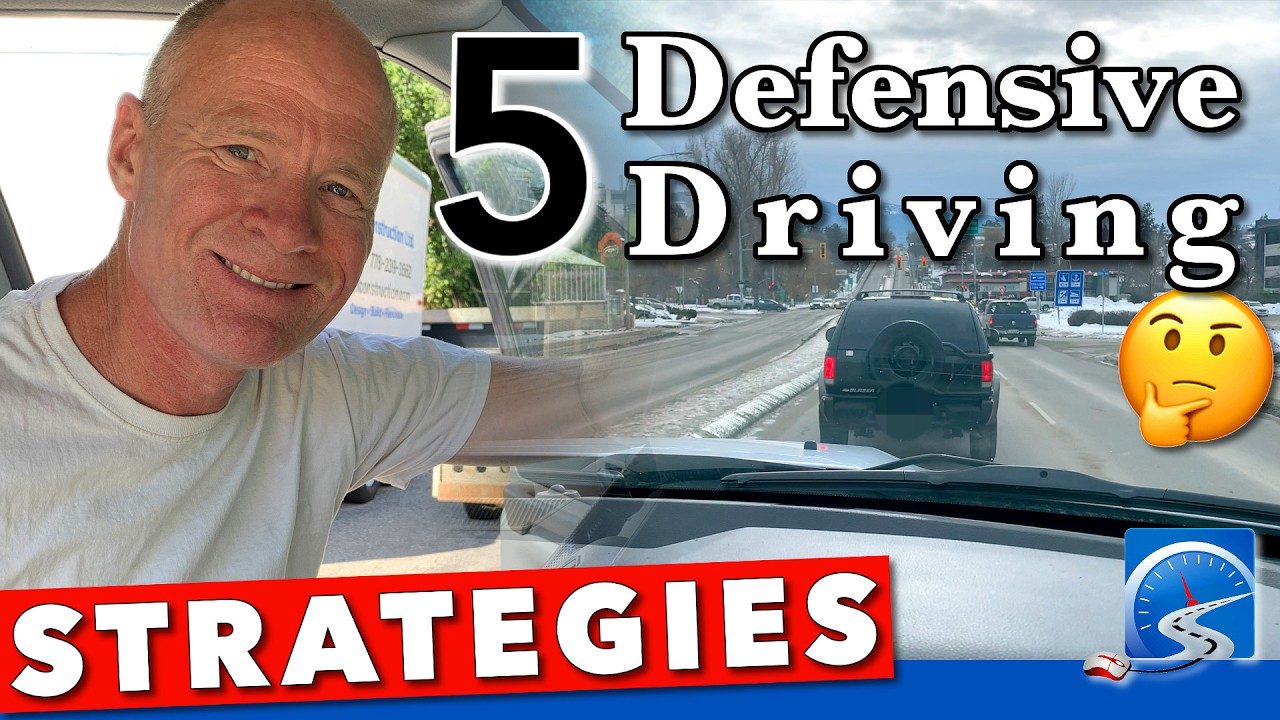
You do not need an expensive vehicle or advanced driver-assistance technology to become a more defensive driver. The fundamentals are practical habits that can be applied every time you get behind the wheel.
- Maintain a safe following distance. A gap of at least three seconds is a useful starting point in good conditions. Increase it when roads are wet, visibility is poor, or traffic is unpredictable.
- Look farther down the road. Watch for brake lights, changing traffic signals, roadworks, and vehicles entering the roadway so you can respond before a situation becomes urgent.
- Check your blind spots. Mirrors do not reveal everything around your vehicle. Check over your shoulder when appropriate before changing lanes or merging.
- Adjust your speed to conditions. The posted speed limit does not guarantee that driving at that speed is safe in heavy rain, snow, fog, or congested traffic.
- Minimize distractions. Set your navigation and adjust your controls before moving. Keep your attention on driving and avoid handling your phone.
- Make your intentions clear. Signal before turning or changing lanes, avoid abrupt maneuvers, and give other drivers time to understand what you plan to do.
- Leave yourself room to react. Avoid lingering unnecessarily in another vehicle's blind spot and remain aware of surrounding traffic, without making sudden or unsafe evasive movements.
The important thing is consistency. Checking mirrors once in a while or leaving a large gap only when traffic gets heavy is not enough. Defensive driving works best when these actions become part of your routine.
Does Defensive Driving Mean You Should Always Drive Slowly?
Not at all. Defensive driving is often misunderstood as driving excessively slowly, avoiding every maneuver, or allowing other vehicles to dictate your decisions. In reality, it is about choosing a speed and driving strategy that suit the conditions while leaving yourself enough time and space to respond to hazards.
A defensive driver can merge onto a highway, overtake another vehicle, or navigate busy traffic confidently. The difference is that these actions are planned carefully. Before overtaking, for example, you need adequate visibility, sufficient space, and a clear understanding of approaching traffic. Before merging, you should assess the available gap and match the speed of traffic where appropriate.
Predictability also matters. Driving far below the reasonable speed of surrounding traffic without a good reason can create confusion and increase the risk of dangerous interactions. The goal is not to avoid every possible risk by refusing to move; it is to make sensible, lawful decisions without exposing yourself or others to unnecessary danger.
This balance becomes especially important when road conditions change. If visibility suddenly deteriorates or the pavement becomes slippery, reducing speed is sensible. If conditions are clear and traffic is flowing normally, maintaining an appropriate speed while remaining alert is equally important.
What Drivers Say About Defensive Driving
Reddit discussions highlight one of defensive driving’s most important principles: never assume other motorists will behave predictably. In an r/driving discussion about defensive driving habits, users recommended watching mirrors, anticipating other drivers’ moves, and slowing down when necessary to avoid a potential collision.
Keeping a safe following distance is another recurring theme. In another thread about the benefits of leaving more space between vehicles, drivers discussed how that provides more time to react and encourages a calmer driving style. Another discussion about tailgating explored why adjusting speed gently and creating more space ahead can help manage the risk posed by a driver following too closely.
These firsthand experiences reinforce a simple lesson: defensive driving is about anticipation, patience, and preserving room to react. The comments also offer practical examples of how these habits can be applied on everyday journeys.
Can a Defensive Driving Course Make You a Better Driver?
A defensive driving course can help turn general safety advice into practical skills. Depending on the program, drivers may learn hazard recognition, safe following distances, collision avoidance principles, and strategies for dealing with aggressive or unpredictable motorists.
New drivers can benefit from developing these habits early, while experienced motorists may discover that years behind the wheel have made them less attentive to certain risks. A structured course can provide a useful refresher and highlight unsafe routines that might otherwise go unnoticed.
What do you think?
View
Comments
The quality and content of courses vary, so look for training offered by a recognized driving school or road-safety organization. Some programs include supervised practical exercises, while others focus on classroom instruction or online learning. Licensing requirements, certification, and potential insurance discounts also depend on the jurisdiction and provider.
Obviously, a course is only part of the process. Defensive driving means resisting distractions, allowing extra space, anticipating the actions of others, and recognizing when fatigue or difficult conditions make driving more dangerous. Ultimately, defensive driving is not about assuming everyone else will make a mistake; it is about being ready if they do.
More From Motor101
 The Rotary Engine Should Be Everywhere. Why Isn't It?
Turning Off Your Car's A/C Can Save Gas, But There's A Catch
Every Rolls-Royce Has A Hidden Feature Most People Don't Know About
The Michelin Man Has A Strange History. And His Original Design Was Terrifying
We want your opinion!
What would you like to see on Motor1.com?
Take our 3 minute survey.
- The Motor1.com Team
Share this Story
- (https://twitter.com/intent/tweet?url=https%3A%2F%2Fwww.motor1.com%2Ffeatures%2F812923%2Fwhat-defensive-driving-is-and-why-you-should-master-it%2F&text=These%20Defensive%20Driving%20Habits%20Could%20Save%20You%20From%20A%20Crash&via=motor1com)
- copy
GO TO COMMENTS
(
)
Got a tip for us? Email: tips@motor1.com
View all comments ( )
Popular
Audi Is Spending $4 Billion On A New US Factory For Big SUVs
Toyota's Next Mid-Engined Coupe Is Going Racing This Weekend
Alfa Romeo Has Had It With Huge Screens
Subaru Teases A New Manual WRX, But Only For Japan
latest articles
- These Defensive Driving Habits Could Save You From A Crash Oct 25 - Motor101 -
- Nissan Driver Gets An Oil Change. Then The Mechanic Sends Him Something Unexpected: 'I'm Upset That This Isn't Required By Law' Oct 25 - Trending -
- How Do Automatic High Beams Know When To Turn On And Off? Oct 25 - Motor101 -
- ‘Gave You The Midas Touch’: Man Takes Volkswagen To Midas For An Oil Change. He's In Shock When They're Done Oct 25 - Trending -
- Audi Is Spending $4 Billion On A New US Factory For Big SUVs Oct 25 - Manufacturing / Production -
- Man Buys 10-Year-Old Mercedes With Only 31,000 Miles. Then He Spots Something Fishy On The Tires Oct 24 - Trending -
- 'I Didn't Sign Up To...': Mechanic Asks Why People Leave The Job. They Don't Hold Back—But Can The Industry Be Fixed? Oct 24 - Trending -
RECOMMENDED FOR YOU
How Do Automatic High Beams Know When To Turn On And Off?
Nissan Driver Gets An Oil Change. Then The Mechanic Sends Him Something Unexpected: 'I'm Upset That This Isn't Required By Law'
The Story Behind Little Trees Is Even Stranger Than You Think
‘Gave You The Midas Touch’: Man Takes Volkswagen To Midas For An Oil Change. He's In Shock When They're Done
NASCAR's Coolest Stock Cars Were Too Good At Their Jobs
Audi Is Spending $4 Billion On A New US Factory For Big SUVs
How A Tire Company Created The World's Most Famous Blimp