Home
Features
Motor101
How Red Became Synonymous With Ferrari
Ferrari red is more than a color. Discover how Italian racing heritage, Formula 1 victories, and iconic supercars made it world-famous.
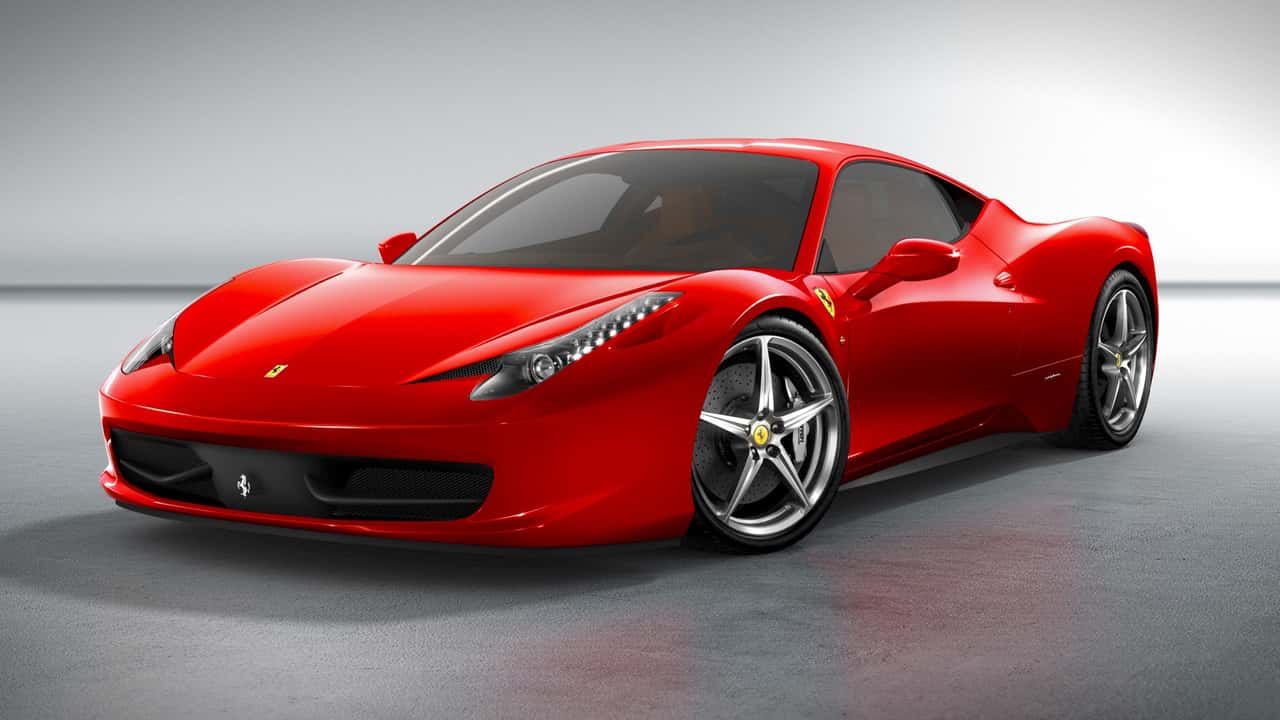
Photo by: Ferrari
Dan Mihalascu 
By: Dan Mihalascu
Oct 14, at 7:00am ET
Add Motor1.com as a preferred source in Google
- (https://twitter.com/intent/tweet?url=https%3A%2F%2Fwww.motor1.com%2Ffeatures%2F811795%2Fwhy-is-ferrari-red-so-famous%2F&text=How%20Red%20Became%20Synonymous%20With%20Ferrari&via=motor1com)
- copy
Share
Comment
Few colors in the automotive world are as recognizable as Ferrari red—or, Rosso Corsa. The shade has become synonymous with Italian supercars, racing victories, and the thrill of driving. Even people who know little about cars can often identify a red Ferrari at a glance, making it one of the most powerful visual identities in the automotive industry.
But Ferrari red wasn't originally chosen simply because it looked good.
Its story begins with the early days of international motorsport, when racing colors helped identify where a car came from. Over time, decades of competition, iconic road cars, and carefully cultivated branding turned that color into a global symbol of speed, performance, and prestige.
Ferrari Red Began With Racing
Ferrari's association with red dates back to the early days of international motor racing. In the early 20th century, cars competing in international events were assigned national racing colors. Italian entries were traditionally painted red, while British cars became associated with green, French cars with blue, and German cars with silver or white.
The Italian shade became known as Rosso Corsa, which translates to “racing red.” It wasn't created exclusively for Ferrari. Instead, it represented Italy in competition, appearing on cars from several Italian manufacturers before Ferrari became one of the most famous names in motorsport.
When Enzo Ferrari established Scuderia Ferrari in 1929 and later launched his own car company in 1947, red was already deeply connected to Italian racing. Ferrari's success on the track helped cement the relationship, turning a national motorsport color into a defining feature of the brand.
Formula 1 Made The Color Iconic
Ferrari's long history in Formula 1 helped transform red from a racing convention into an international symbol. The Scuderia has competed in the championship since its inaugural season in 1950, building a reputation through legendary drivers, dramatic victories, and championship-winning cars.
As television brought racing into homes around the world, Ferrari's red cars became instantly recognizable. From the era of Niki Lauda and Gilles Villeneuve to Michael Schumacher's championship dominance and the modern grid, the color has remained a visual constant through generations of racing fans.
That consistency matters. While sponsorships, regulations, and car designs have changed, Ferrari's red livery has remained central to its identity. Fans don't need to read a team name or spot a logo to recognize a Ferrari charging down a straight.
Ferrari Red Is More Than One Shade
Although people often speak about Ferrari red as if it were a single color, Ferrari has offered multiple red finishes over the years. The traditional Rosso Corsa remains the best-known, but other shades give buyers different ways to express the brand's character. Some examples include:
- Rosso Corsa: The classic racing red most closely associated with Ferrari's motorsport heritage.
- Rosso Scuderia: A brighter red that became familiar through Ferrari's Formula 1 cars.
- Rosso Dino: A distinctive shade with a different character from the traditional racing red.
- Rosso Fiorano: A deeper, more understated red offered on selected Ferrari models.
The exact appearance of a red Ferrari can vary depending on the paint finish, lighting, and the shape of the bodywork. Metallic and special-order finishes can add even more variation, meaning two red Ferraris parked beside each other may look surprisingly different.
Ferrari's range of colors also shows that the company is not limited to red. Buyers can choose from yellows, blues, blacks, silvers, and an extensive selection of special finishes. Red remains iconic, but it is a choice rather than a requirement.
Red Became Part Of Ferrari's Brand Identity
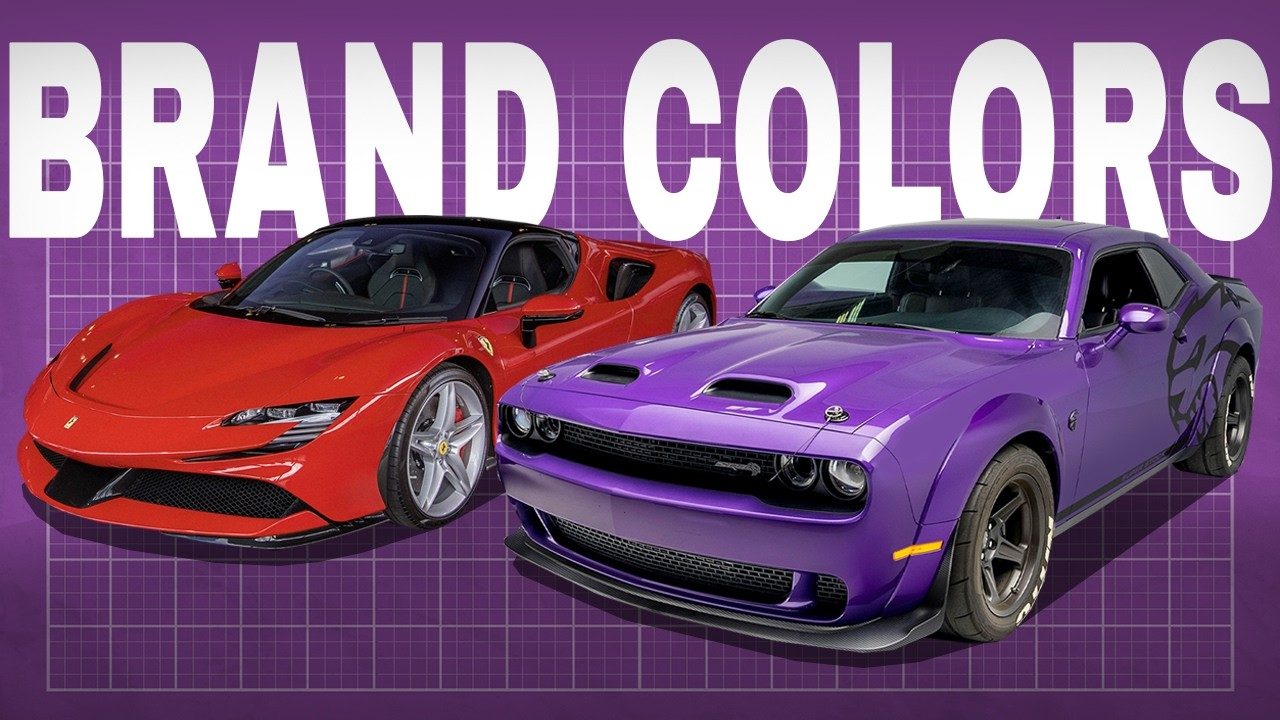
Ferrari's racing success gave the color its history, but the company's road cars made it a lifestyle symbol. A red Ferrari is a familiar sight in films, music videos, advertisements, and popular culture, where it often represents wealth, excitement, and exclusivity.
The shape of a Ferrari helps, too. Sculpted bodywork, dramatic proportions, and the company's famous prancing-horse emblem combine with red paint to create a look that is recognizable even from a distance. Over decades, the association has become so strong that the color itself can evoke Ferrari before a viewer notices the model.
Red also works especially well with Ferrari's public image. It suggests energy and motion, qualities that suit a company built around performance and racing. But its meaning is ultimately cultural: generations of fans have learned to associate that particular red with some of the world's most desirable cars.
What Do Fans Think About Ferrari Red?
Reddit discussions show that Ferrari red is more than a paint choice for enthusiasts. In this r/Ferrari thread about why most Ferraris are red, users point to Italy’s historic national racing color, while agreeing that red simply suits the cars.
But tradition doesn’t mean everyone prefers it: in a discussion about choosing between Rosso Corsa and Azzurro California, some enthusiasts describe red as iconic but predictable, making blue an appealing alternative.
Ferrari fans also debate how the signature shade has changed over time. In this thread about Ferrari’s different reds, commenters discuss the shift between deeper and brighter tones, with some preferring the darker look while acknowledging that bright red has become iconic. Even as fans increasingly appreciate other colors, Ferrari red remains the classic choice: an iconic mix of racing heritage and personal taste.
Why Doesn't Every Ferrari Buyer Choose Red?
Despite its reputation, red is not the automatic choice for every Ferrari customer. Some buyers prefer more understated colors, while others want a distinctive specification that stands apart from the traditional image.
Ferrari's extensive personalization options allow customers to choose paint finishes that reflect their tastes. A yellow Ferrari can reference the brand's emblem and Modena heritage—it was also Enzo Ferrari's favorite color—while blue, green, gray, or black can give the same model a very different personality.
What do you think?
View
Comments
Rarity can also be part of the appeal. For buyers who want their car to feel unique, choosing a less common color may be more attractive than selecting the shade most people immediately associate with Ferrari.
Still, red remains a powerful default in the public imagination. It connects modern road cars to the company's racing roots and offers an instant visual link to Ferrari's history. Today, a red Ferrari is not just a red sports car; it's a rolling symbol of Italian motorsport heritage and one of the most recognizable identities in the car world.
More From Motor101
 Premium Gas Isn’t Always Better For Your Car. Here’s What It Actually Does
How Do Traffic Lights Know When Cars Are Waiting?
Cold-Air Intakes Promise More Power. But Do They Really?
Red Fire Trucks Have A Surprising History Most People Don’t Know
We want your opinion!
What would you like to see on Motor1.com?
Take our 3 minute survey.
- The Motor1.com Team
Share this Story
- (https://twitter.com/intent/tweet?url=https%3A%2F%2Fwww.motor1.com%2Ffeatures%2F811795%2Fwhy-is-ferrari-red-so-famous%2F&text=How%20Red%20Became%20Synonymous%20With%20Ferrari&via=motor1com)
- copy
GO TO COMMENTS
(
)
Got a tip for us? Email: tips@motor1.com
View all comments ( )
Popular
Bugatti Restores One-Off Veyron With A Mirror-Like Aluminum Body
BMW Kept This Hatchback A Secret For Decades
Skoda Wants You To 3D Print Pieces Of Your Car At Home
The Gas BMW M3 Isn't Dead: Next-Gen Prototype Roars
latest articles
- BMW Already Has A Deal On The New i3. But It's Not Cheap Oct 20 - Pricing -
- Remember The Ford Flex? This Weird SUV Is Now A Great Used Buy Oct 20 - Why Buy? -
- Mercedes Isn't Sold On Extended-Range EVs: 'Would You Really Switch?' Oct 20 - Interview -
- Cadillac Driver Is Fed Up With Auto Stop. Then She Buys A $9 Item On Amazon To Disable It Oct 20 - Trending -
- Bugatti Restores One-Off Veyron With A Mirror-Like Aluminum Body Oct 20 - Supercars -
- Lexus NX Goes Hybrid Only For 2027 Oct 20 - Official -
- Who Were The Pep Boys, Anyway? Oct 20 - Motor101 -
RECOMMENDED FOR YOU
Who Were The Pep Boys, Anyway?
BMW Already Has A Deal On The New i3. But It's Not Cheap
Remember When Saab Put The Ignition Key Between The Front Seats?
Remember The Ford Flex? This Weird SUV Is Now A Great Used Buy
This German City Exists Because Of Volkswagen
Mercedes Isn't Sold On Extended-Range EVs: 'Would You Really Switch?'
What Makes Chinese Cars So Popular?