Home
Lexus
IS
Features
Why Do Modern Cars Have Those Giant Plastic Engine Covers?
That big piece of plastic is not always there for looks. Here's what it actually does and why some engines don't need one.
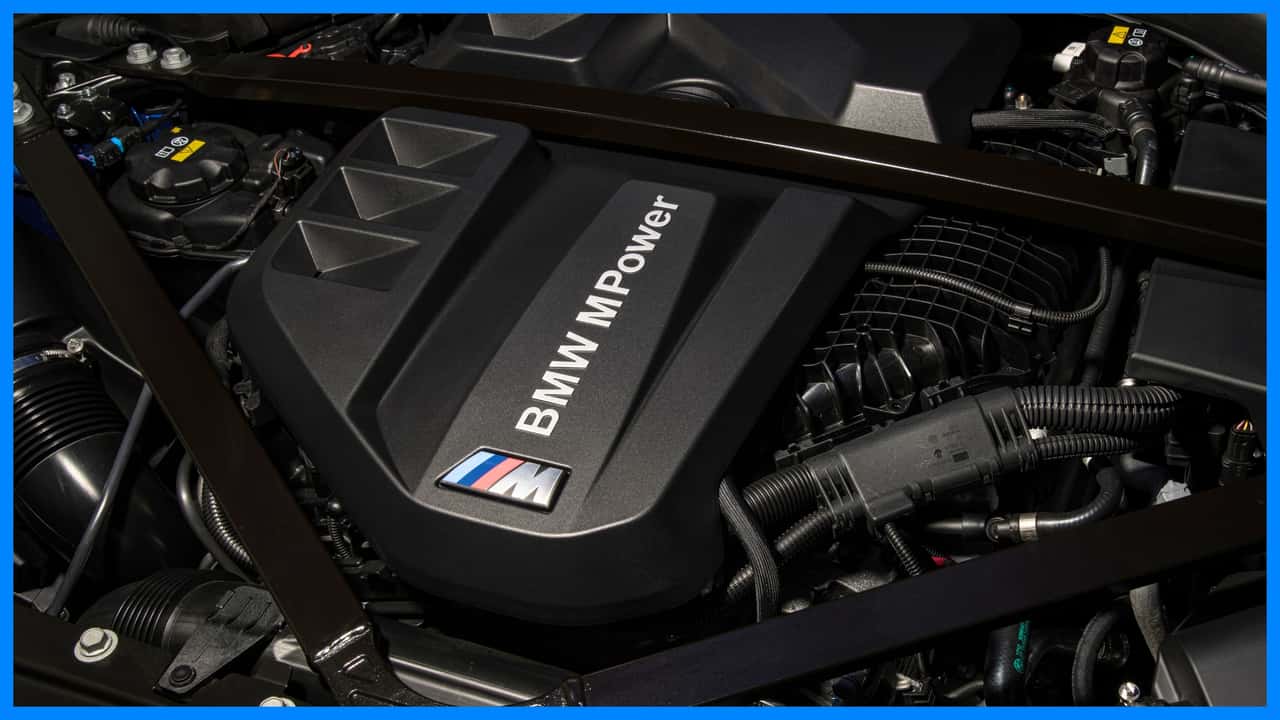
Photo by: BMW
Dan Mihalascu 
By: Dan Mihalascu
Sep 21, at 3:00pm ET
Add Motor1.com as a preferred source in Google
- (https://twitter.com/intent/tweet?url=https%3A%2F%2Fwww.motor1.com%2Ffeatures%2F808946%2Fwhy-cars-have-plastic-engine-covers%2F&text=Why%20Do%20Modern%20Cars%20Have%20Those%20Giant%20Plastic%20Engine%20Covers%3F&via=motor1com)
- copy
Share
Comment
Pop the hood on any modern car, and there's a good chance you won't actually see much of the engine. Instead, you'll find a large molded piece of plastic sitting on top of it, sometimes complete with a giant manufacturer logo.
At first glance, it looks like automotive decoration. After all, engines spent decades sitting there completely exposed. So why do modern cars suddenly need a plastic lid, other than to make the engine bay look cleaner? The answer is more interesting than you might think.
The Biggest Reason Is Probably Noise
Modern engines can be surprisingly noisy. Direct fuel injection, high-pressure fuel pumps, turbochargers, timing components, and valvetrains all create mechanical sounds that can make their way through the engine bay and into the cabin.
An engine cover can help absorb or deflect some of that noise, particularly when it has a layer of foam or other acoustic material underneath. BASF specifically describes engine-cover materials as solutions for absorbing engine-compartment noise and reducing vibration. That's one reason some manufacturers call these parts acoustic covers rather than simply engine covers.
The effect can be especially noticeable on diesel engines and some direct-injection gasoline engines, where injector and valvetrain noise can be quite pronounced. A quieter engine doesn't necessarily mean the engine itself is mechanically different—it can simply mean you're hearing less of it.
It's Also A Way To Keep The Engine Bay Under Control
Today's engine compartments are packed. There are wiring harnesses, sensors, hoses, ignition components, fuel-system hardware, intake plumbing, and countless other parts squeezed into relatively small spaces.
A molded cover can shield some of those components from dirt, dust, and accidental contact while giving engineers another way to organize wiring and hoses.
Some covers also play a role in managing heat. Depending on the design, they can provide thermal insulation, influence airflow, or help keep heat away from particularly sensitive components.
That doesn't mean every plastic cover is a heat shield. Components exposed to extreme temperatures—such as turbochargers and exhaust hardware—typically require purpose-built heat shielding. The important point is that an engine cover's thermal function is vehicle-specific, rather than a universal feature.
Not Every Engine Cover Does The Same Thing
This is where the answer gets interesting because an engine cover's exact purpose depends on the engine and how the cover was designed.
- Acoustic covers can use foam or specialized materials to reduce mechanical noise
- Decorative covers primarily clean up the appearance of the engine bay and may provide limited protection
- Functional covers can incorporate wiring guides, air ducts, insulation, or other components
- Thermal-management covers can help control where heat travels around the engine compartment
- Specialized designs can combine several of these jobs into one molded component
That's why removing the cover from one car might make little practical difference while removing it from another could noticeably increase engine noise or interfere with the way certain components are protected or routed.
Basically, there's no universal rule that says every plastic engine cover is essential or that every one is useless.
Yes, Sometimes It Really Is About Looks
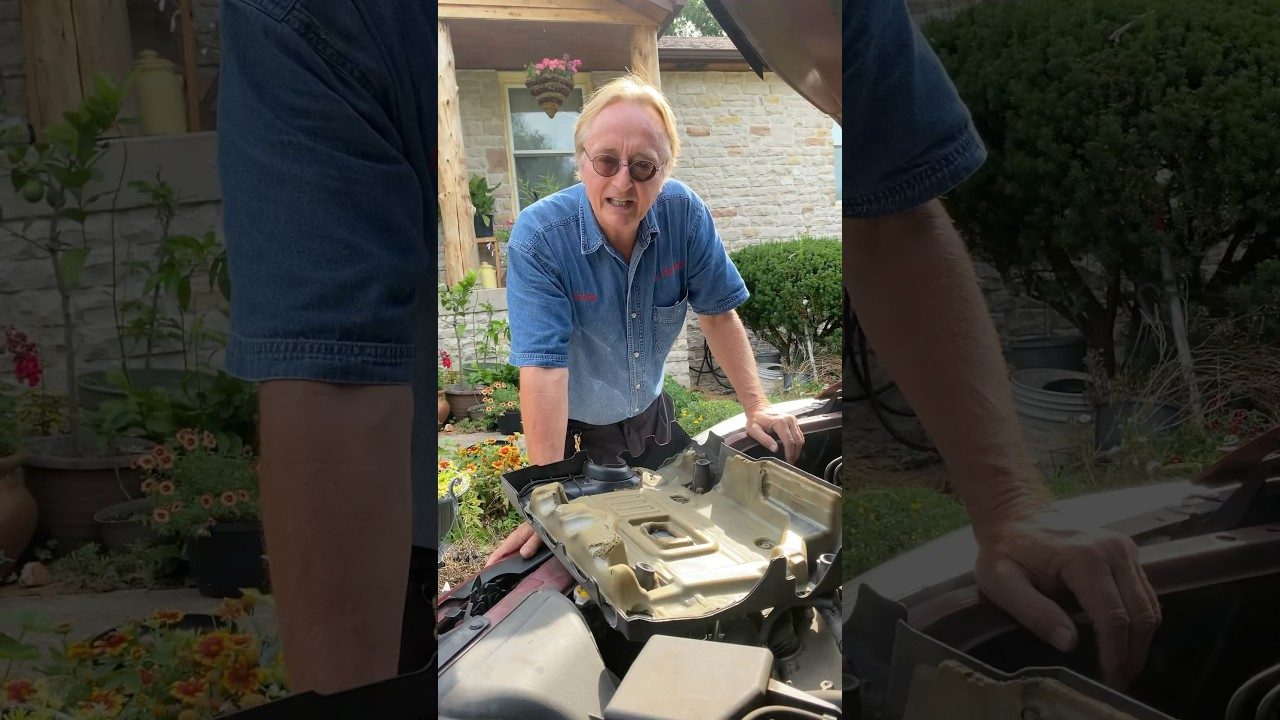
Let's be honest: aesthetics are part of the equation. A modern engine bay can be an intimidating collection of hoses, wires, metal components, plastic tanks, and electrical hardware. A molded cover hides much of that visual clutter and gives the manufacturer a clean surface for a logo or engine designation.
That's particularly useful on a new car sitting in a showroom. Open the hood and the manufacturer can present something that looks organized rather than a collection of components designed purely around packaging.
But that doesn't mean the cover is only cosmetic. BASF, which supplies automotive materials, specifically highlights acoustic performance, heat resistance, appearance, and even pedestrian-protection potential among the considerations involved in modern engine-cover design.
In other words, the fact that an engine cover looks good doesn't mean engineers didn't give it a purpose.
Drivers Have Debated Engine Covers For Years
A 2024 r/cars thread asked why some newer vehicles are showing up without plastic engine covers. The discussion quickly turned to what the covers actually do, with commenters pointing to noise reduction, weight, cost, and aesthetics as possible reasons manufacturers are adding or removing them.
Another r/cars discussion from 2021 asked why modern engines have such large plastic covers. One of the most upvoted answers was simple: sound insulation. Other commenters noted that some covers also incorporate air-intake components or other functional hardware, depending on the engine.
The question of whether covers trap too much heat also comes up frequently. In a 2020 r/cars thread, owners debated whether covers help engines warm up or simply provide acoustic insulation. The consensus in the discussion was that their purpose varies by vehicle rather than having one universal function.
More recently, a 2024 r/MechanicAdvice post about a thick foam engine cover prompted a similar discussion. One response specifically said the cover primarily helps reduce the noise from high-pressure fuel injectors, illustrating why removing one can make an engine noticeably louder even if it continues to run normally.
The conclusion? Depending on the car, the plastic engine cover can serve acoustic, protective, thermal, packaging, or aesthetic purposes.
Do You Actually Need To Keep It?
Usually, the engine is not going to stop working simply because its plastic cover is missing. But that doesn't necessarily mean removing it is a free modification.
Depending on the vehicle, the cover can contribute to noise reduction, protect or organize components, and form part of the manufacturer's intended thermal or acoustic design. Some covers also make routine service slightly less convenient because they have to be removed before technicians can reach certain components.
What do you think?
View
Comments
The bigger takeaway is that there is no universal purpose for the plastic thing sitting on top of your engine. On one car, it might be little more than a cosmetic panel. On another, it could be an important acoustic component with insulation underneath. And on some engines, it can do several jobs at once.
So there you have it: that giant piece of plastic where you expected to see an engine is not there just to hide the good stuff. There's a decent chance the engineers put it there for reasons you can't see.
More From Motor101
 Why EVs Lose So Much Range In Cold Weather
The Only State That Still Won’t Let You Pump Your Own Gas, For Some Reason
How Does CarMax Determine Your Trade-In Value?
The Old-School Way Of Starting Your Manual Transmission Car If The Battery Is Dead
We want your opinion!
What would you like to see on Motor1.com?
Take our 3 minute survey.
- The Motor1.com Team
Share this Story
- (https://twitter.com/intent/tweet?url=https%3A%2F%2Fwww.motor1.com%2Ffeatures%2F808946%2Fwhy-cars-have-plastic-engine-covers%2F&text=Why%20Do%20Modern%20Cars%20Have%20Those%20Giant%20Plastic%20Engine%20Covers%3F&via=motor1com)
- copy
GO TO COMMENTS
(
)
Got a tip for us? Email: tips@motor1.com
View all comments ( )
Popular
Bugatti Restores One-Off Veyron With A Mirror-Like Aluminum Body
BMW Kept This Hatchback A Secret For Decades
Skoda Wants You To 3D Print Pieces Of Your Car At Home
The Gas BMW M3 Isn't Dead: Next-Gen Prototype Roars
latest articles
- BMW Already Has A Deal On The New i3. But It's Not Cheap Oct 20 - Pricing -
- Remember The Ford Flex? This Weird SUV Is Now A Great Used Buy Oct 20 - Why Buy? -
- Mercedes Isn't Sold On Extended-Range EVs: 'Would You Really Switch?' Oct 20 - Interview -
- Cadillac Driver Is Fed Up With Auto Stop. Then She Buys A $9 Item On Amazon To Disable It Oct 20 - Trending -
- Bugatti Restores One-Off Veyron With A Mirror-Like Aluminum Body Oct 20 - Supercars -
- Lexus NX Goes Hybrid Only For 2027 Oct 20 - Official -
- Who Were The Pep Boys, Anyway? Oct 20 - Motor101 -
RECOMMENDED FOR YOU
Woman Goes To Discount Tire. Then A Worker Goes ‘Above And Beyond’ And Does Something Shocking
Mercedes Isn't Sold On Extended-Range EVs: 'Would You Really Switch?'
'We Noticed From The Carfax': Woman’s Jiffy Lube Oil Change Turns Disastrous. Corporate Still Hasn’t Called Back
Cadillac Driver Is Fed Up With Auto Stop. Then She Buys A $9 Item On Amazon To Disable It
Woman Buys From CarMax. Then She Goes Through Their Service Department
Bugatti Restores One-Off Veyron With A Mirror-Like Aluminum Body
Woman Goes To Racetrac For Gas. Then She Calls Her Husband Because She Sees 6 Fuel Choices