Home
News
Safety
MOT fallout: UK drivers delay repairs, opt for DIY solutions
A new survey shines more light on what most drivers in the UK do when MOT time approaches.
Angel Sergeev 
By: Angel Sergeev
Apr 15, 2024 at 4:59am ET
Add Motor1.com as a preferred source in Google
- (https://twitter.com/intent/tweet?url=https%3A%2F%2Fwww.motor1.com%2Fnews%2F716045%2Febay-uk-mot-drivers-survey%2F&text=MOT%20fallout%3A%20UK%20drivers%20delay%20repairs%2C%20opt%20for%20DIY%20solutions&via=motor1com)
- copy
Share
Comment
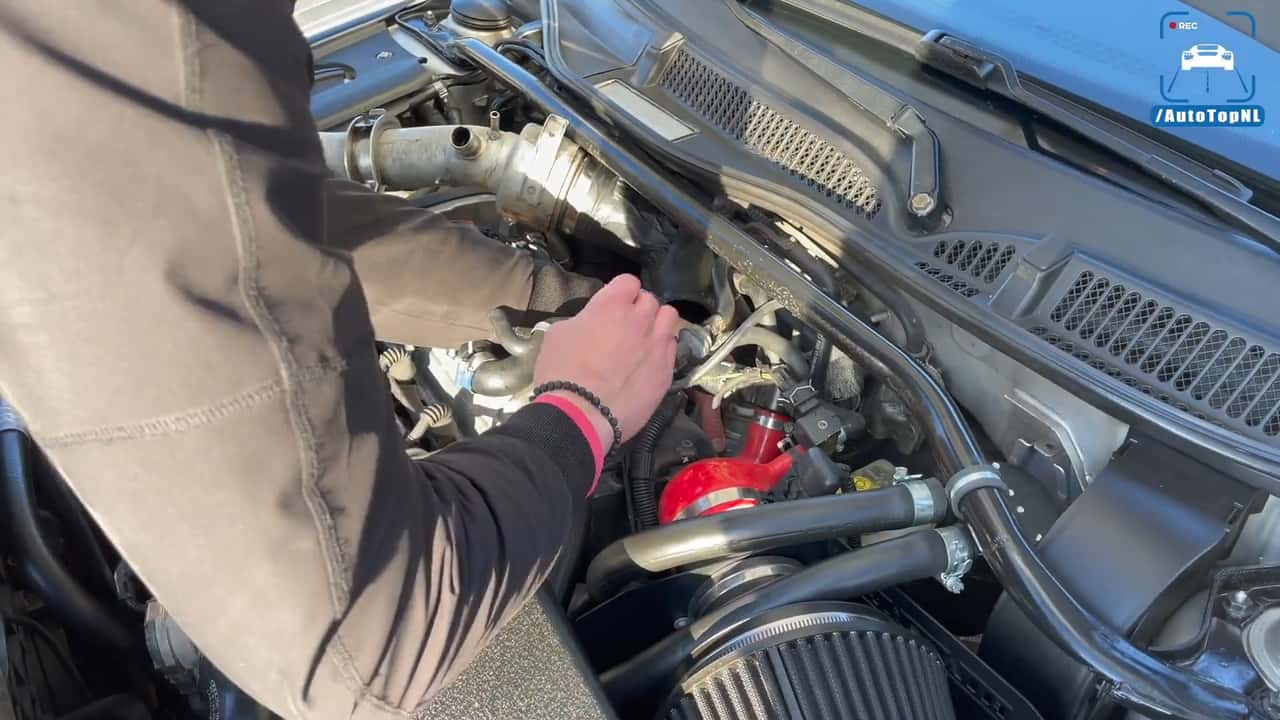
A recent study conducted by eBay UK has unveiled a significant trend among UK motorists: an increasing preference for handling minor car issues themselves rather than shelling out for professional services. The research, which surveyed a broad spectrum of drivers, indicates that over a third (35 per cent) of respondents opt to tackle these problems independently.
The revelation comes in the wake of March, the busiest month for MOT tests, during which many vehicle owners confront the task of addressing advisory notices. Among the primary motivations cited for taking the DIY route, saving money emerges as a key factor. However, a notable portion of drivers also admit to avoiding addressing issues altogether.
“According to eBay research, 45 per cent of motorists dread the prospect of an MOT more than going to the dentist (34 per cent) and this anxiety is caused by fear of the unknown. What’s the garage going to find and how much is it going to cost to put it right – those are the biggest fears,” Arjang Salehi, vehicle parts and accessories lead at eBay, comments.
New MOT rules were discussed:
 Three in four UK drivers oppose proposed switch from annual MOT
Drivers largely in favour of retaining current MOT rules, study shows
According to the findings, 34 per cent of motorists postponed addressing MOT advisories last year, attributing their reluctance to the escalating costs of living. Another 33 per cent cited financial constraints as the primary hurdle in undertaking necessary repairs.
Furthermore, a striking revelation from the study is that 10 per cent of respondents perceive advisory notices as inconsequential, leading nearly a quarter (22 per cent) to postpone repairs for extended periods.
What do you think?
View
Comments
Analysis of MOT failure data indicates that common issues such as inoperative lamps, reflectors, and electrical equipment (23 per cent) top the list, closely followed by suspension (18 per cent), brake problems (14 per cent), and defective tyres (13 per cent). Alarmingly, many of these issues could be easily rectified, underscoring the importance of proactive maintenance.
Top 10 reasons for MOT failure
- Lamps, reflectors and electrical equipment – 23%
- Suspension – 18%
- Brakes – 14%
- Tyres – 13%
- Visibility – 10%
- Body, chassis, structure – 7%
- Noise, emissions and leaks – 6%
- Steering – 4%
- Seat belts and supplementary restraint systems – 2%
- Identification of the vehicle – 0.75%
Source: eBay UK
We want your opinion!
What would you like to see on Motor1.com?
Take our 3 minute survey.
- The Motor1.com Team
Share this Story
- (https://twitter.com/intent/tweet?url=https%3A%2F%2Fwww.motor1.com%2Fnews%2F716045%2Febay-uk-mot-drivers-survey%2F&text=MOT%20fallout%3A%20UK%20drivers%20delay%20repairs%2C%20opt%20for%20DIY%20solutions&via=motor1com)
- copy
GO TO COMMENTS
(
)
Got a tip for us? Email: tips@motor1.com
View all comments ( )
Popular
12 Cars With Names That Make Absolutely No Sense
BMW Kept This Hatchback A Secret For Decades
Bugatti Restores One-Off Veyron With A Mirror-Like Aluminum Body
The Gas BMW M3 Isn't Dead: Next-Gen Prototype Roars
latest articles
- Driver Goes Through Car Wash With Full Truck Bed—Then He Learns The Hard Way Why You Shouldn't Do That Oct 20 - Trending -
- Every Rolls-Royce Has A Hidden Feature Most People Don't Know About Oct 20 - Motor101 -
- Subaru Built A 510-HP Electric Wagon Without Toyota's Help Oct 20 - Official -
- The Strange Reason The Golf GTI Had A Golf Ball Shifter Oct 20 - Motor101 -
- Photos: Porsche's Mission S Concept Takes Over New York City Oct 20 - Design -
- The 2027 Honda Passport TrailSport Looks Noticeably Taller Next To Last Year's Model Oct 20 - Off-Road -
- 12 Cars With Names That Make Absolutely No Sense Oct 20 - Lists -
RECOMMENDED FOR YOU
Animals Are Involved In More Than 350,000 Crashes A Year In The US
Driver Goes Through Car Wash With Full Truck Bed—Then He Learns The Hard Way Why You Shouldn't Do That
China Could Fully Stop Production Of Cars With Hidden Door Handles
Every Rolls-Royce Has A Hidden Feature Most People Don't Know About
Audi Q7 Earns A Perfect 100 Percent Euro NCAP Post-Crash Score
Subaru Built A 510-HP Electric Wagon Without Toyota's Help
Range Rover Sport Recalled Over Rear Subframes That Can Crack