Home
Features
Motor101
Are You Wasting Money Buying Original Parts For Your Car?
Cheaper doesn't always mean worse. From fitment to durability, here's what drivers should know before choosing replacement components.
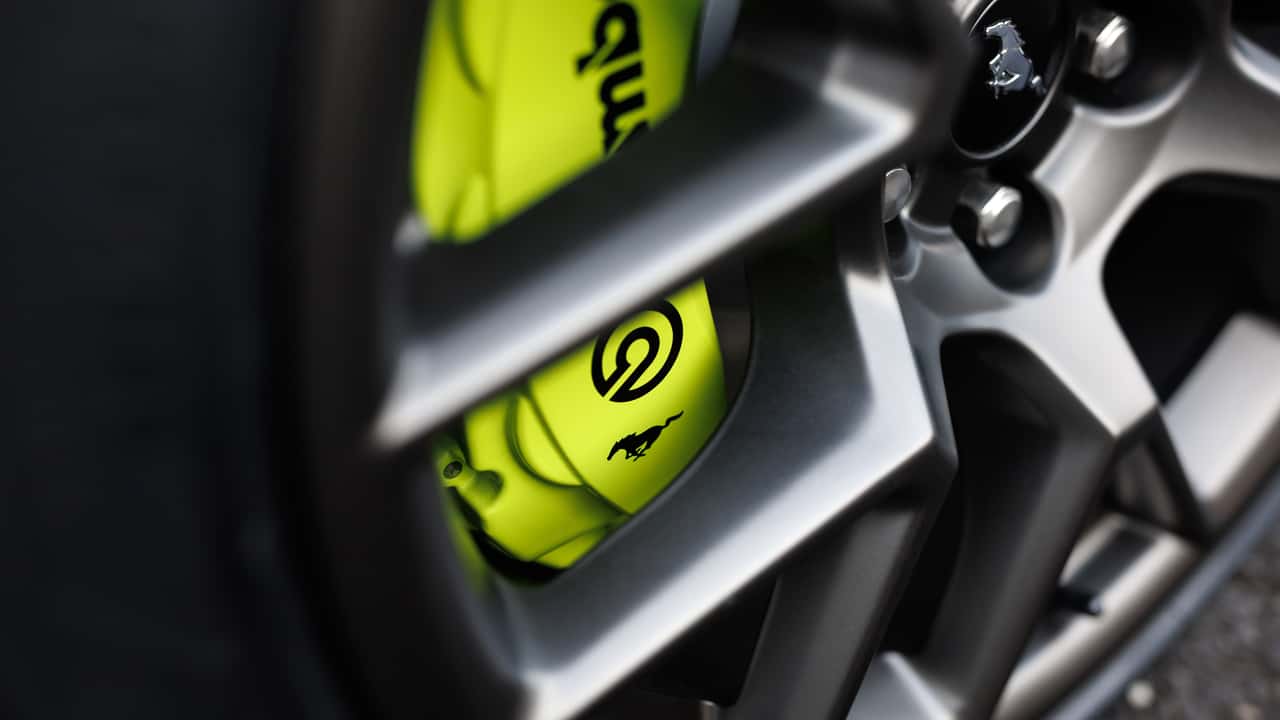
Photo by: Ford
Dan Mihalascu 
By: Dan Mihalascu
Nov 14, at 3:00pm ET
Add Motor1.com as a preferred source in Google
- (https://twitter.com/intent/tweet?url=https%3A%2F%2Fwww.motor1.com%2Ffeatures%2F814811%2Foem-vs-aftermarket-car-parts-differences%2F&text=Are%20You%20Wasting%20Money%20Buying%20Original%20Parts%20For%20Your%20Car%3F&via=motor1com)
- copy
Share
Comment
When your car needs a replacement part, you might be surprised by how many options are available. A dealership may recommend an original equipment manufacturer (OEM) component, while an independent repair shop could offer an aftermarket alternative at a considerably lower price. Both promise to get your vehicle back on the road, but are they really the same?
The difference goes beyond the logo on the packaging. Price, manufacturing standards, fitment, warranty coverage, and even safety can vary depending on which part you choose. While OEM components are often considered the safer bet, aftermarket parts aren't necessarily inferior. Here's what drivers should know before deciding which replacement parts deserve a place in their cars.
What Exactly Are OEM Car Parts?
OEM stands for Original Equipment Manufacturer. In the automotive world, the term generally refers to replacement components supplied through the vehicle manufacturer's parts network and designed to meet the automaker's specifications.
These parts are intended for a particular vehicle or application, making compatibility and installation relatively straightforward. They are often sold through authorized dealerships and carry the automaker's branding, although the actual manufacturing may be handled by an outside supplier.
That's an important distinction. Automakers rarely manufacture every component themselves. Companies such as Bosch, Denso, ZF and other parts suppliers produce parts for multiple vehicle manufacturers, and some of these companies also sell replacement components under their own brands.
OEM parts typically cost more than aftermarket alternatives, but they offer a degree of predictability. Drivers know they're purchasing a component intended to meet the vehicle manufacturer's requirements, which can be particularly reassuring when replacing complicated or safety-critical equipment.
How Are Aftermarket Car Parts Different?
Aftermarket parts are replacement components manufactured by companies outside the vehicle manufacturer's original parts network. They're designed to fit specific vehicles, but they aren't necessarily produced to the exact same specifications as factory-supplied components.
One of their biggest advantages is price. With multiple manufacturers competing for customers, aftermarket parts are often considerably cheaper than their OEM counterparts. They can also be easier to find, especially for older vehicles or models whose original parts are becoming difficult to source.
However, quality varies significantly between brands. Some aftermarket manufacturers produce components that match or even exceed original specifications, while cheaper alternatives may use different materials, have inconsistent fitment, or wear out sooner.
There are also aftermarket parts designed specifically to improve performance. Upgraded brake pads, suspension components, exhaust systems, and air intakes can offer characteristics that differ from the original factory setup. In those cases, aftermarket doesn't necessarily mean a compromise. It can mean getting something better suited to your driving preferences.
Are OEM Parts Actually Better Than Aftermarket Alternatives?
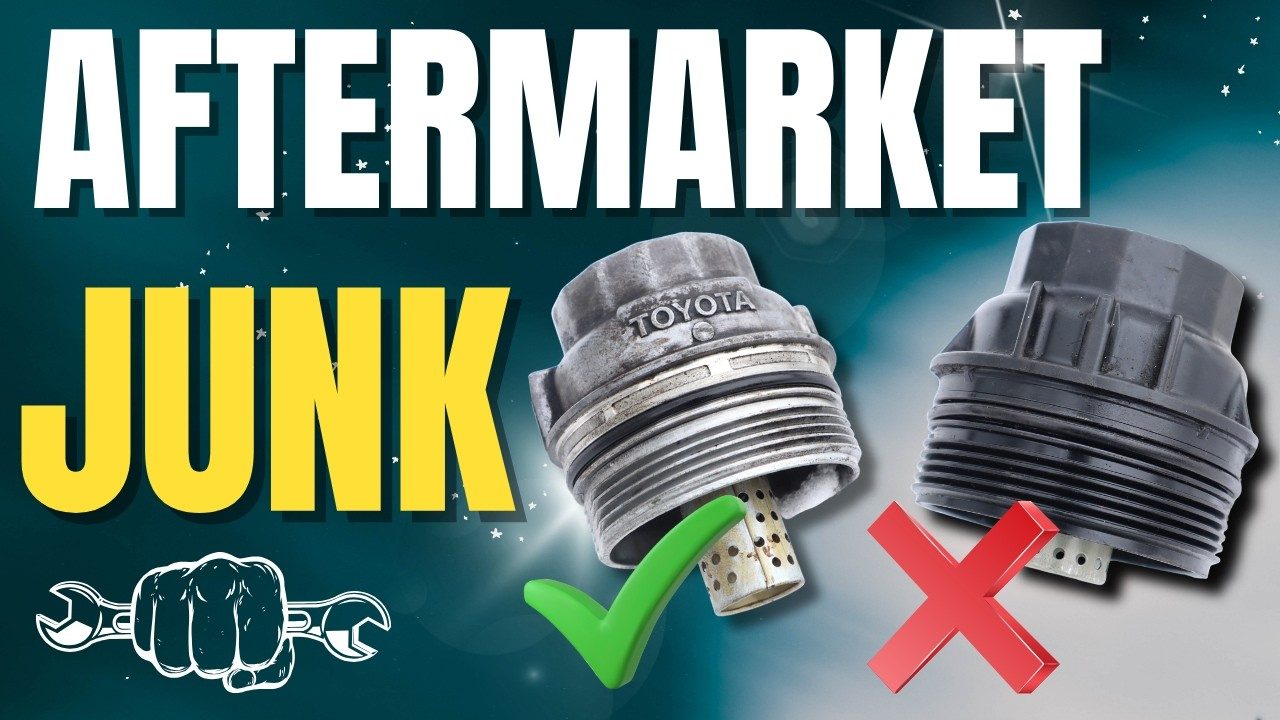
Not always. While OEM parts offer the advantage of manufacturer-approved specifications and predictable compatibility, that doesn't automatically make every aftermarket alternative inferior.
According to automotive guidance published by Edmunds, some aftermarket components are manufactured by the same suppliers that produce original equipment parts. Others are engineered independently and may even address weaknesses in the original design.
The important factor is the manufacturer behind the component, not simply whether the packaging carries an automaker's logo. For example, an established aftermarket company specializing in braking systems may offer a replacement pad designed for better stopping performance or reduced brake dust. On the other hand, an inexpensive, unbranded replacement could compromise durability or fitment.
The same applies to body panels and collision-repair components. A replacement bumper cover might look identical to the original, but that doesn't necessarily mean it has undergone the same testing or meets the same performance requirements. Ultimately, drivers should compare individual parts rather than assuming OEM is always superior or aftermarket is always the cheaper compromise.
Which Parts Should You Buy OEM, And When Is Aftermarket Fine?
The decision largely depends on the component being replaced, the vehicle's age, and how much you're willing to spend. For routine maintenance, reputable aftermarket manufacturers can offer excellent value.
For complicated electronic systems or components directly involved in crash protection, sticking with manufacturer-approved parts is often the more sensible approach. Before choosing a replacement, consider the following:
- Engine and transmission components: OEM or reputable original-equipment suppliers are generally preferable for complicated components where precise compatibility matters.
- Brakes and suspension: Established aftermarket brands can offer excellent replacements, but quality, specifications, and vehicle compatibility should always be checked.
- Body panels and bumpers: Look for certified replacement components, particularly when repairs involve structural areas or crash-energy management.
- Filters and spark plugs: Reputable aftermarket manufacturers can offer dependable alternatives without necessarily sacrificing performance.
- Airbags and safety electronics: Prioritize genuine or explicitly approved components. Cheap, unverified replacements aren't worth the risk.
One useful thing to remember is that aftermarket doesn't automatically mean uncertified. In the US, the Certified Automotive Parts Association (CAPA) operates an independent certification program that tests replacement parts for characteristics including fit, finish, material properties, and corrosion resistance.
What Do Drivers Say About OEM Vs. Aftermarket Parts?
Reddit drivers seem to agree that the difference between OEM and aftermarket parts often comes down to the manufacturer and the component being replaced. In a discussion on r/MechanicAdvice, users argued that reputable aftermarket brands can offer quality comparable to OEM components, particularly for suspension parts, while electronics may be better sourced from the original manufacturer.
Another discussion on r/Cartalk revealed mixed experiences. Some drivers reported years of trouble-free use with aftermarket headlights and other replacement components, while others described premature failures involving engine mounts, horns, and taillights. The general takeaway was that aftermarket quality varies considerably, and choosing a reputable brand matters.
Interestingly, drivers in r/AskMechanics also discussed cases where aftermarket components actually improve on original designs. One example involved the Pentastar engine's oil cooler, which has developed a reputation for problems in certain applications.
Can Aftermarket Parts Affect Your Car's Warranty?
This is one of the biggest concerns drivers have when considering cheaper replacement components, particularly if their vehicles are still relatively new.
In the US, the Magnuson-Moss Warranty Act generally prevents manufacturers from voiding an entire vehicle warranty simply because an owner uses aftermarket parts. However, a manufacturer may deny coverage for a particular failure if it can establish that an aftermarket component caused the problem.
For example, installing an aftermarket air filter shouldn't automatically cancel your powertrain warranty. However, if an improperly designed or installed performance modification causes engine damage, the manufacturer may have grounds to reject a related warranty claim.
What do you think?
View
Comments
There are also insurance considerations, particularly after a collision. Insurers may specify aftermarket replacement body panels to reduce repair costs, while vehicle owners may prefer OEM components for fitment and compatibility. The terms of your policy and local regulations can determine which options are covered.
Before approving any repair, ask your mechanic which manufacturer produces the replacement component, whether it carries a warranty, and whether it meets the required specifications for your vehicle. At the end of the day, the smartest choice is not necessarily the most expensive one. It's the part that fits your vehicle, meets the necessary standards, and offers the best balance of reliability and value.
More From Motor101
 Why America Is Obsessed With Building Giant Roadside Attractions
Your Brakes Doesn't Always Need A Mechanical Connection
That Annoying Whistle In Your Car Could Be Coming From The Door
Why Some Cars Have Two Clutches Instead Of One
We want your opinion!
What would you like to see on Motor1.com?
Take our 3 minute survey.
- The Motor1.com Team
Share this Story
- (https://twitter.com/intent/tweet?url=https%3A%2F%2Fwww.motor1.com%2Ffeatures%2F814811%2Foem-vs-aftermarket-car-parts-differences%2F&text=Are%20You%20Wasting%20Money%20Buying%20Original%20Parts%20For%20Your%20Car%3F&via=motor1com)
- copy
GO TO COMMENTS
(
)
Got a tip for us? Email: tips@motor1.com
View all comments ( )
Popular
Toyota's Cheaper Sports Car Is Reportedly Back On The Menu
Ford Showed Us Its Secret Car Vault Filled With Hundreds Of Hidden Gems
BMW Has 10 New Models Coming In 2027. Here's All Of Them
The 25-Year Car Import Rule Can Be Complicated. Here's How It Works
Audi Tells Us Why The Nuvolari Costs $300,000 More Than Temerario
Latest Stories
- Are You Wasting Money Buying Original Parts For Your Car? Nov 14 - Motor101 -
- This Corvette Owner Bought A Brand-New C8. Then He Lost $37,000 After Just 570 Miles Nov 14 - Sales -
- Before Putting Your Child In The Front Seat, There's Something You Need To Know Nov 14 - Motor101 -
- Ford Showed Us Its Secret Car Vault Filled With Hundreds Of Hidden Gems Nov 14 - Lifestyle -
- Remember The Fire-Damaged Corvette Z06? Now It Actually Runs Nov 14 - Aftermarket / Tuning -
- You Can't Drive Cars In These 5 Places Across America Nov 14 - Motor101 -
- The 25-Year Car Import Rule Can Be Complicated. Here's How It Works Nov 13 - Motor101 -
RECOMMENDED FOR YOU
Before Putting Your Child In The Front Seat, There's Something You Need To Know
This Corvette Owner Bought A Brand-New C8. Then He Lost $37,000 After Just 570 Miles
You Can't Drive Cars In These 5 Places Across America
Ford Showed Us Its Secret Car Vault Filled With Hundreds Of Hidden Gems
The 25-Year Car Import Rule Can Be Complicated. Here's How It Works
Remember The Fire-Damaged Corvette Z06? Now It Actually Runs
You Can Own A Kei Car In The US. But You Might Not Be Able To Drive It